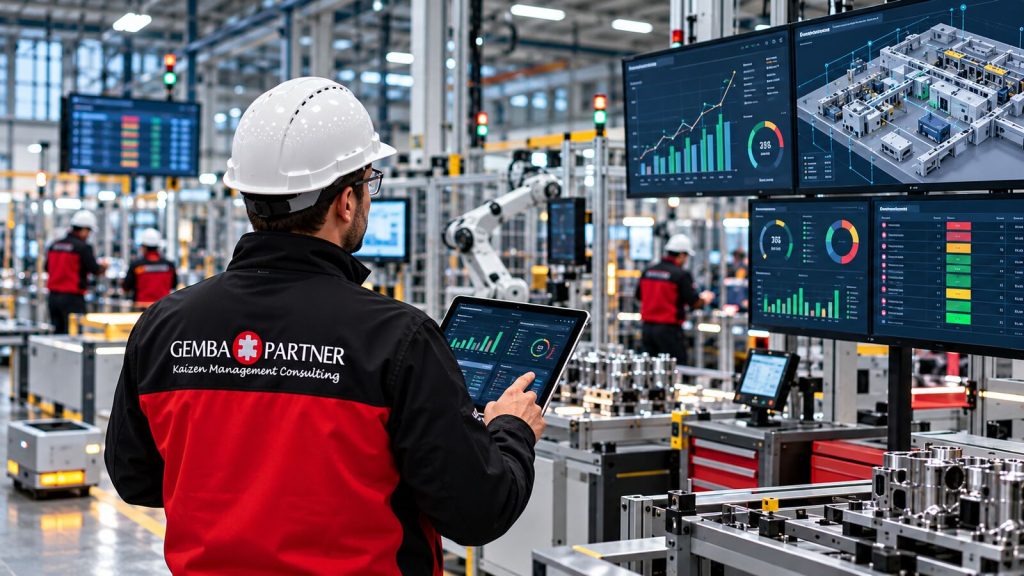
Can Digital Transformation Succeed Without a Lean Culture?
Can companies without a lean culture succeed in digital transformation? Advantages, challenges and the right approach.
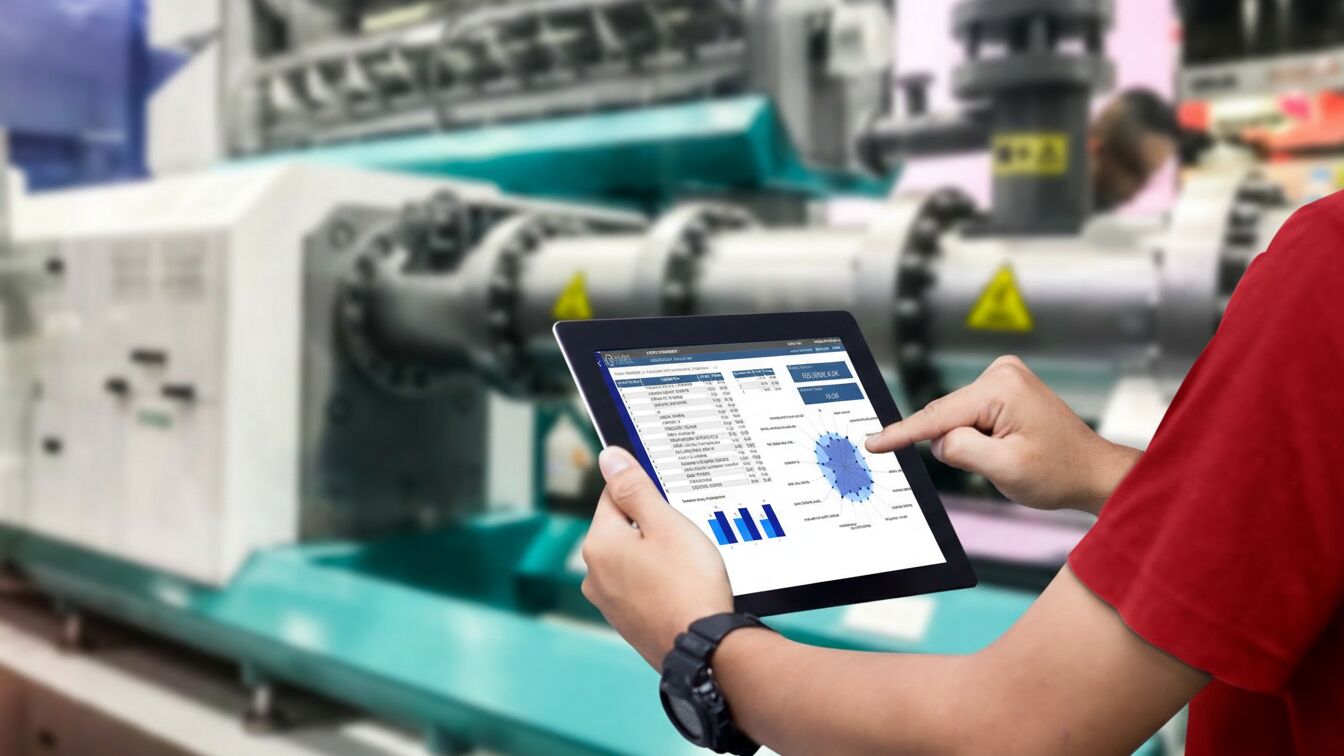
Many manufacturers investing in digital transformation face the same question: Is it right to digitalize while our processes are not yet lean, or should we become lean first? In this article, we discuss the contribution of lean manufacturing culture to digital transformation, the challenges companies without that culture may face and the path to follow.
Does Lean Manufacturing Culture Give an Advantage in Digital Transformation?
Whether companies without a lean manufacturing culture can succeed in digital transformation depends on the company’s approach and how it handles the digital transformation process. However, it is fair to say that having a lean manufacturing culture provides major advantages in digital transformation. There is a strong synergy between the two concepts, because both focus on preventing waste, increasing efficiency and continuous improvement.
1. Process-Oriented Approach
Lean manufacturing is built on improving and standardizing business processes. Digital transformation essentially means optimizing processes and improving them with digital technologies. Companies already used to managing with an improvement focus turn digital solutions into results faster.
2. Efficiency and Waste Reduction Mindset
Digital transformation offers technological solutions to increase operational efficiency and use resources more effectively. Companies without a lean culture may struggle to identify and reduce waste. Companies with a lean culture, on the other hand, can easily integrate digital solutions with this goal because they have the ability to recognize and eliminate waste.
3. Continuous Improvement (Kaizen) Culture
Lean manufacturing works with a philosophy of continuous improvement. Digital transformation is also not a one-time project but a process that requires continuous development. Companies with a kaizen culture quickly notice the opportunities digitalization offers and integrate them into their continuous improvement processes.
4. Employee Engagement and Openness to Change
Digital transformation largely involves changes in the organization and employees’ adaptation to those changes. Because lean culture encourages employees to take part in improvements, employees adapt to new technologies faster.
5. Data-Driven Decision Making
Lean manufacturing supports data-based decision-making. Digital transformation takes this approach to further levels, enabling faster and more accurate decisions. Companies without a lean culture may succeed at collecting data with digital technologies; however, they may not know how to use this data and how to integrate it into their processes.
Why Might Companies Without a Lean Culture Struggle in Digital Transformation?
Companies without a lean manufacturing culture may face some challenges in digital transformation:
Complexity of processes: Digital transformation aims to make disorganized or inefficient processes more effective. However, in a non-lean structure, the complexity and unnecessary steps of processes can make it difficult to integrate technology into them. The expected benefits may not materialize.
Resistance to change: In a non-lean culture, employees may be more resistant to innovation. Since digital transformation often brings cultural change with it, employee adaptation and motivation are critical factors.
Lack of data-driven thinking: Companies not used to process improvement and data-based decision-making may not be able to use data analytics tools effectively.
Failure to recognize waste: Waste is often overlooked. If technologies that deliver efficiency are not integrated into well-defined processes, investments in technology may remain fruitless.
The Right Approach: Lean Foundations First, Then Digital
In practice, the best result comes from addressing both together and in the right order: first making waste visible and standardizing processes in a pilot area (lean manufacturing project consulting), then measuring and sustaining these standards with digital tools (Gemba Digital). If a digital tool is added on top of a disorganized process, it speeds up the disorder; if it is added on top of a lean-based process, it speeds up efficiency.
Addressing lean transformation and digital transformation in the same roadmap increases both the return on investment and the durability of efficiency gains. Measuring your lean maturity level before starting a digital transformation project helps you set the right priorities.
Conclusion
Lean manufacturing culture offers companies major advantages in the digital transformation process. Companies without a lean culture can also succeed in digital transformation; however, this generally requires a longer and more challenging process. It is a critical strategy for these companies to focus more on lean manufacturing principles during digital transformation.
To build your transformation roadmap together, get in touch with us.