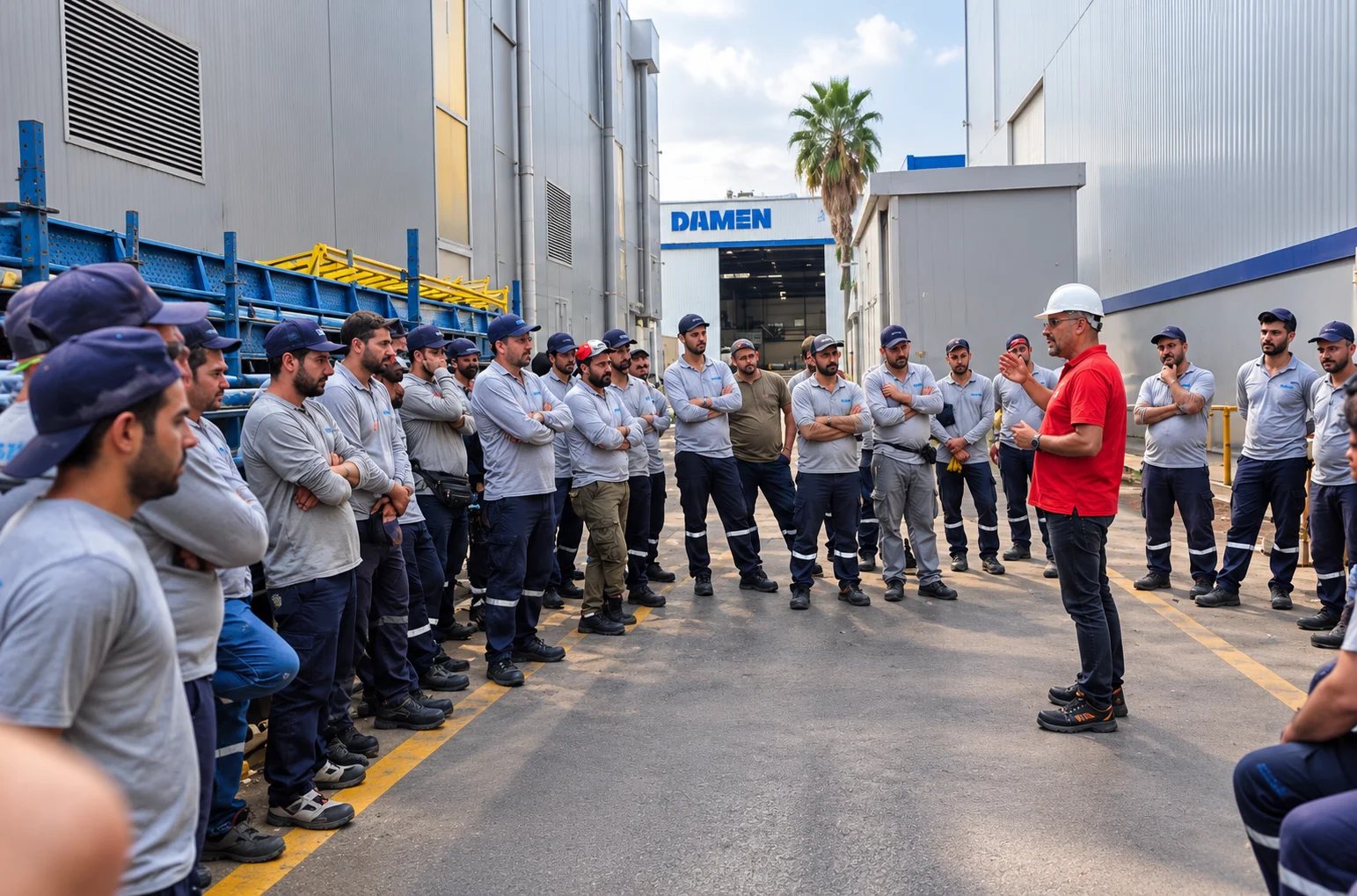
50% Increase in EBITDA through Operational Improvements
Workforce, capacity, shifts and production losses were addressed together. Reducing operating costs and improving resource utilization translated directly into financial results.
Toward Excellence in All Its Dimensions Together, Step by Step
We address all dimensions of lean transformation together, from processes to performance management, from leadership to shop-floor culture, and build a sustainable improvement system.
Lean production is a management approach that aims to produce more value with the same resources by systematically reducing waste in production processes — excess inventory, unnecessary motion, waiting and defective production. It originated from the Toyota Production System (TPS) and forms the foundation of operational excellence regardless of industry.
Lean production consulting adapts this approach to the specific conditions of your shop floor: it analyzes the current state, measures losses in monetary terms and builds a lasting, measurable improvement system together with your team.

With lean production project consulting, increase your value creation by eliminating non-value-adding work and take your company one step ahead.
With a four-step, repeatable system we deliver lasting results on the shop floor — not a one-off project.
Request a discovery call →We set clear targets aligned with your corporate strategy, assess the current state and build a transformation roadmap that starts from the areas with the highest impact.
Starting with pilot implementations, we scale up successful practices; supporting them with leadership, competencies and digital tools, we make lean thinking a part of daily management and work culture.
The goal is not only to improve today's results, but to build an organization that can produce tomorrow's results on its own.
Workforce, capacity, shifts and production losses were addressed together. Reducing operating costs and improving resource utilization translated directly into financial results.
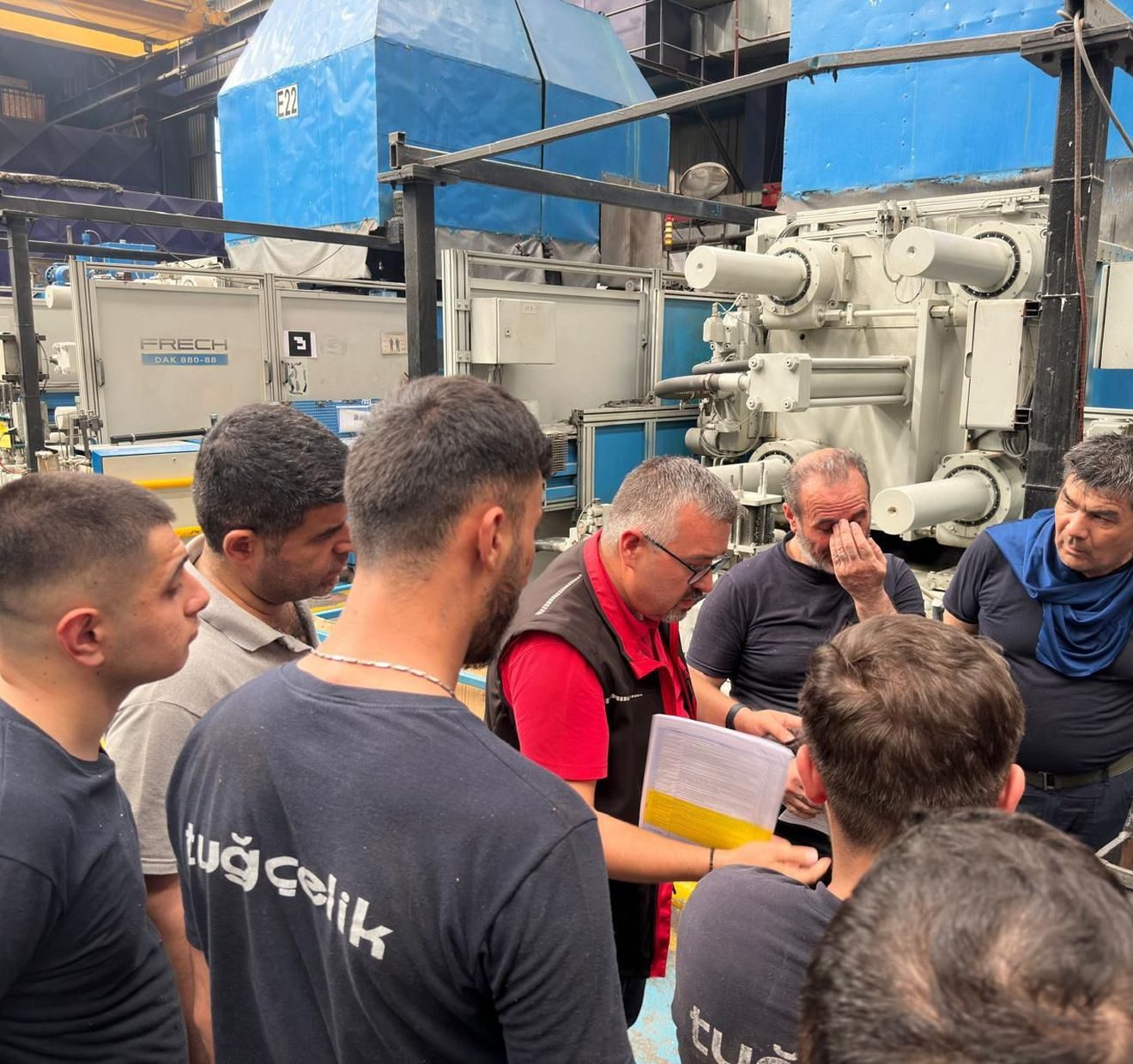
Downtime, speed and capacity losses in the paint shop process were analyzed. By eliminating bottlenecks and improving working standards, output from existing equipment was doubled.
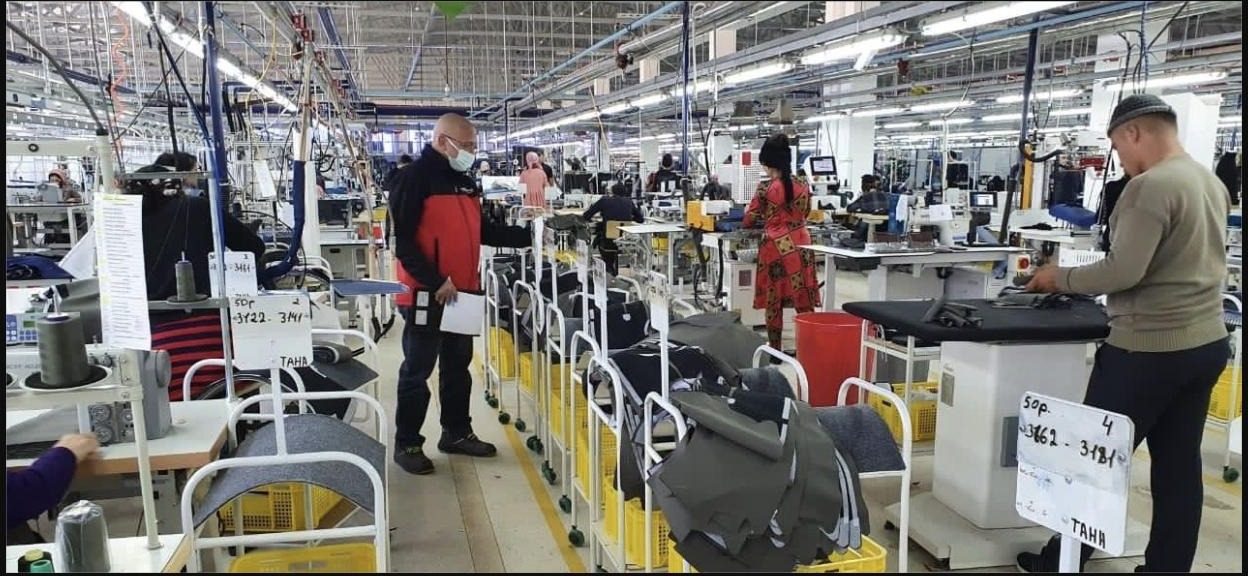
Station loads and operator movements were analyzed. The production rhythm of the line was balanced by redesigning bottleneck operations and applying standard work.
The production flow was redesigned with line balancing, bottleneck analysis and standard work activities. With the same resources, daily output was increased from 500 to 860 units.
Bottlenecks, micro-stops and speed losses on the production line were analyzed. By improving process parameters and working standards, the capacity of the existing line was increased without investing in new equipment.
We chase every loss that lengthens processes, does not reach the customer and drains the company's resources. Combining TPS, Lean Production and Management, TPM and continuous improvement methodologies with leadership, people and digital solutions, drawing on our shop-floor experience, we make losses visible, eliminate their causes and turn lost time, capacity and cost into added value.
Every company's reality is different; that is why we build, together with you, your own system that works on the shop floor and delivers results, not ready-made recipes.
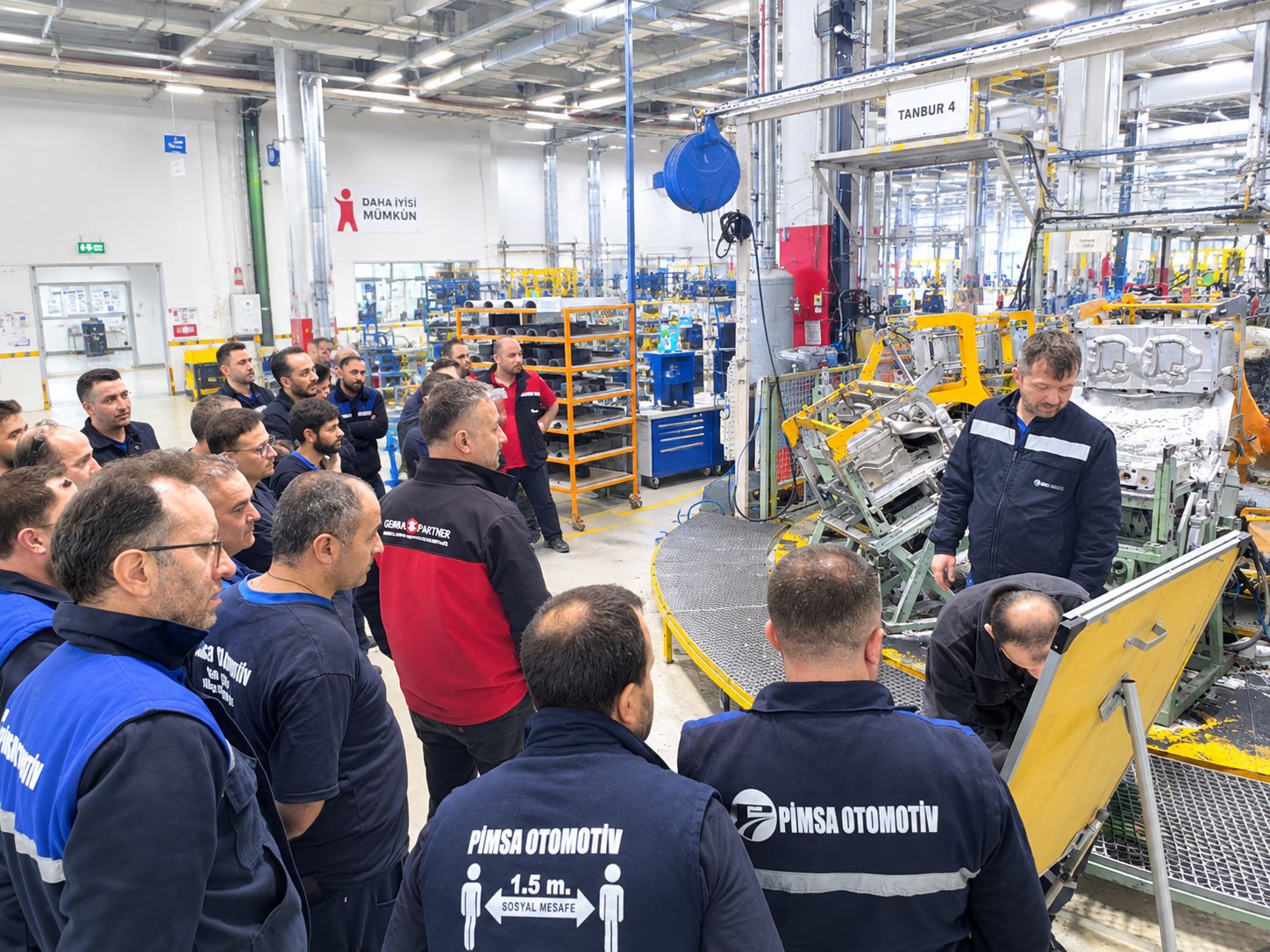
Every project is carried out by our senior consultants working in person on the shop floor. Meet the team that turns years of shop-floor experience into concrete results.
See all our experts →
The scope of lean production consulting is broad enough to cover the company's entire value chain. All steps that begin before production and continue until the product reaches the customer are addressed in detail. Links between processes are analyzed and bottlenecks are clearly identified.
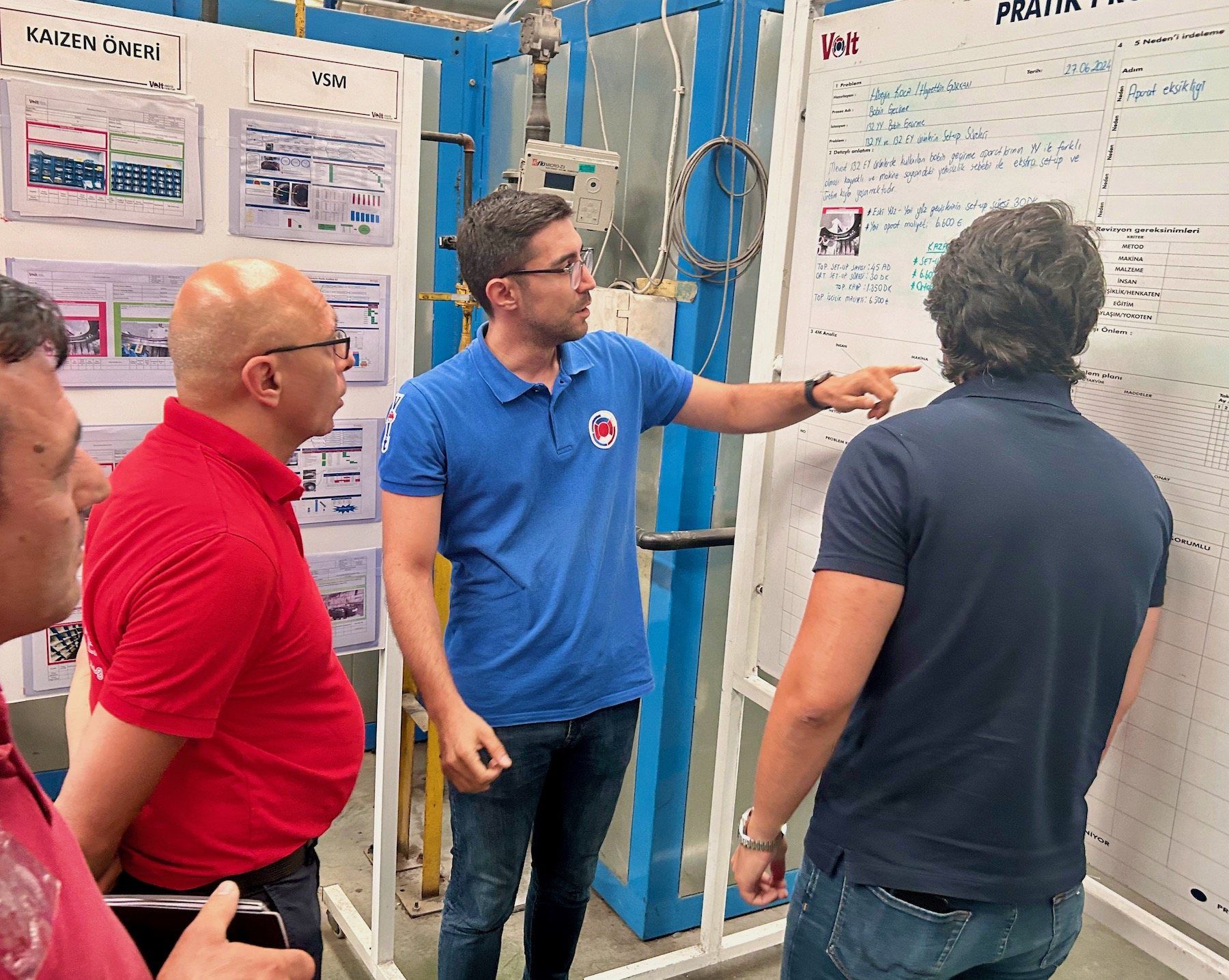
Within the consulting scope, topics such as process standardization, flow improvement, inventory optimization and workforce efficiency are addressed first. In addition, visual management, performance indicators and problem-solving systems are established. The goal is not to hide problems but to make them visible.
The scope is not limited to technical applications. Management habits, decision-making mechanisms and employee behaviors are also part of the transformation process. Thus, lean production consulting brings about a cultural change as much as an operational one.
The main goal in lean production is to eliminate all activities that do not create value for the customer. Thanks to this approach, production times shorten, defect rates fall and resource use is optimized. As a result, companies achieve a more competitive cost structure.
Another important benefit is that processes become predictable. Standardized and measured processes are more resilient to sudden fluctuations. This directly affects both delivery performance and customer satisfaction.
Lean production also increases employee motivation. Solving problems at the source and involving employees in improvement processes strengthens a sense of ownership. This, in the long term, delivers sustainable performance improvement.
In lean manufacturing, waste is defined as any activity that adds no value for the customer. Overproduction, waiting, unnecessary transport, excess inventory, defects and unnecessary motion are the most common types of waste. These wastes often settle into processes unnoticed.
During the consulting process, these types of waste are made visible with concrete data. Time studies, flow analyses and shop-floor observations pinpoint the source of waste. This way, root causes are addressed rather than the symptoms of problems.
Eliminating waste is not a one-off effort. It requires continuous follow-up and improvement. For this reason, lean manufacturing consulting aims to build a problem-solving reflex in the organization and to make that reflex permanent.
The lean manufacturing consulting process follows a structured, phased approach. In the first phase, the current state is analyzed with objective data. Then the target performance level is set and a clear roadmap is built to reach it.
Throughout the process, practices are tested on the shop floor and results are measured regularly. Actions are updated based on the feedback received. This flexibility keeps the consulting aligned with the realities of the business.
The consulting process is not merely a project steered from the outside. Active participation of the company's teams is essential. This way, the gains are sustained after the project ends.
Current state analysis is the foundation of lean manufacturing consulting. In this phase, processes are examined in detail, performance indicators are measured and bottlenecks are identified. The aim is to build a picture based on concrete data, not assumptions.
The analysis combines shop-floor observations, employee interviews and process measurements. This reveals not only numerical problems but also behavioral ones, and makes it clear why processes work the way they do.
The findings make the improvement potential clearly visible. Practices implemented before this phase is completed are usually not lasting. That is why current state analysis is one of the most critical steps of the process.
The target state defines the ideal process structure the company wants to reach. It is built on realistic and measurable goals. Core indicators such as lead time, productivity, quality and cost are clearly defined.
The roadmap shows which steps, in which order of priority, lead to that target. Short-, medium- and long-term actions are defined, making the transformation controllable and manageable.
Risks and possible obstacles are also assessed at this stage. The plan is shaped not only for the ideal scenario but for the company's actual resources and capacity. This approach significantly increases the success of implementation.
Lean manufacturing consulting offers an objective outside perspective. Habits and blind spots inside the company are noticed this way. An experienced consultant reaches the root causes of problems faster.
This service reduces the cost of trial and error. It ensures you proceed with proven methods, so time and resource losses are kept to a minimum.
Most importantly, lean manufacturing consulting gives the company a structure that can improve itself. This is a critical advantage for long-term success.
The traps we encounter most often on the shop floor that slow down transformation, and how to avoid them.
Read more →
Practical methods for measuring equipment effectiveness and turning it into lasting improvement on the shop floor.
Read more →
From planned maintenance to autonomous maintenance: the approach that permanently reduces downtime losses.
Read more →Our senior Gemba Partner consultants will carry out an on-site preliminary assessment at your facility, analyze your value stream and report your waste map and potential OEE gain projection.
We address all dimensions of lean transformation together, from processes to performance management, from leadership to shop-floor culture, and build a sustainable improvement system.
Request a discovery callLean production is a management approach that aims to produce more value with the same resources by systematically reducing waste in production processes — excess inventory, unnecessary motion, waiting and defective production. It originated from the Toyota Production System (TPS) and forms the foundation of operational excellence regardless of industry.
Lean production consulting adapts this approach to the specific conditions of your shop floor: it analyzes the current state, measures losses in monetary terms and builds a lasting, measurable improvement system together with your team.

With lean production project consulting, increase your value creation by eliminating non-value-adding work and take your company one step ahead.
With a four-step, repeatable system we deliver lasting results on the shop floor — not a one-off project.
Request a discovery call →
We set clear targets aligned with your corporate strategy, assess the current state and build a transformation roadmap that starts from the areas with the highest impact.
Starting with pilot implementations, we scale up successful practices; supporting them with leadership, competencies and digital tools, we make lean thinking a part of daily management and work culture.
The goal is not only to improve today's results, but to build an organization that can produce tomorrow's results on its own.
Workforce, capacity, shifts and production losses were addressed together. Reducing operating costs and improving resource utilization translated directly into financial results.
Downtime, speed and capacity losses in the paint shop process were analyzed. By eliminating bottlenecks and improving working standards, output from existing equipment was doubled.
Station loads and operator movements were analyzed. The production rhythm of the line was balanced by redesigning bottleneck operations and applying standard work.
The production flow was redesigned with line balancing, bottleneck analysis and standard work activities. With the same resources, daily output was increased from 500 to 860 units.
Bottlenecks, micro-stops and speed losses on the production line were analyzed. By improving process parameters and working standards, the capacity of the existing line was increased without investing in new equipment.
We chase every loss that lengthens processes, does not reach the customer and drains the company's resources. Combining TPS, Lean Production and Management, TPM and continuous improvement methodologies with leadership, people and digital solutions, drawing on our shop-floor experience, we make losses visible, eliminate their causes and turn lost time, capacity and cost into added value.
Every company's reality is different; that is why we build, together with you, your own system that works on the shop floor and delivers results, not ready-made recipes.
Every project is carried out by our senior consultants working in person on the shop floor. Meet the team that turns years of shop-floor experience into concrete results.
See all our experts →The scope of lean production consulting is broad enough to cover the company's entire value chain. All steps that begin before production and continue until the product reaches the customer are addressed in detail. Links between processes are analyzed and bottlenecks are clearly identified.
Within the consulting scope, topics such as process standardization, flow improvement, inventory optimization and workforce efficiency are addressed first. In addition, visual management, performance indicators and problem-solving systems are established. The goal is not to hide problems but to make them visible.
The scope is not limited to technical applications. Management habits, decision-making mechanisms and employee behaviors are also part of the transformation process. Thus, lean production consulting brings about a cultural change as much as an operational one.
The main goal in lean production is to eliminate all activities that do not create value for the customer. Thanks to this approach, production times shorten, defect rates fall and resource use is optimized. As a result, companies achieve a more competitive cost structure.
Another important benefit is that processes become predictable. Standardized and measured processes are more resilient to sudden fluctuations. This directly affects both delivery performance and customer satisfaction.
Lean production also increases employee motivation. Solving problems at the source and involving employees in improvement processes strengthens a sense of ownership. This, in the long term, delivers sustainable performance improvement.
In lean manufacturing, waste is defined as any activity that adds no value for the customer. Overproduction, waiting, unnecessary transport, excess inventory, defects and unnecessary motion are the most common types of waste. These wastes often settle into processes unnoticed.
During the consulting process, these types of waste are made visible with concrete data. Time studies, flow analyses and shop-floor observations pinpoint the source of waste. This way, root causes are addressed rather than the symptoms of problems.
Eliminating waste is not a one-off effort. It requires continuous follow-up and improvement. For this reason, lean manufacturing consulting aims to build a problem-solving reflex in the organization and to make that reflex permanent.
The lean manufacturing consulting process follows a structured, phased approach. In the first phase, the current state is analyzed with objective data. Then the target performance level is set and a clear roadmap is built to reach it.
Throughout the process, practices are tested on the shop floor and results are measured regularly. Actions are updated based on the feedback received. This flexibility keeps the consulting aligned with the realities of the business.
The consulting process is not merely a project steered from the outside. Active participation of the company's teams is essential. This way, the gains are sustained after the project ends.
Current state analysis is the foundation of lean manufacturing consulting. In this phase, processes are examined in detail, performance indicators are measured and bottlenecks are identified. The aim is to build a picture based on concrete data, not assumptions.
The analysis combines shop-floor observations, employee interviews and process measurements. This reveals not only numerical problems but also behavioral ones, and makes it clear why processes work the way they do.
The findings make the improvement potential clearly visible. Practices implemented before this phase is completed are usually not lasting. That is why current state analysis is one of the most critical steps of the process.
The target state defines the ideal process structure the company wants to reach. It is built on realistic and measurable goals. Core indicators such as lead time, productivity, quality and cost are clearly defined.
The roadmap shows which steps, in which order of priority, lead to that target. Short-, medium- and long-term actions are defined, making the transformation controllable and manageable.
Risks and possible obstacles are also assessed at this stage. The plan is shaped not only for the ideal scenario but for the company's actual resources and capacity. This approach significantly increases the success of implementation.
Lean manufacturing consulting offers an objective outside perspective. Habits and blind spots inside the company are noticed this way. An experienced consultant reaches the root causes of problems faster.
This service reduces the cost of trial and error. It ensures you proceed with proven methods, so time and resource losses are kept to a minimum.
Most importantly, lean manufacturing consulting gives the company a structure that can improve itself. This is a critical advantage for long-term success.
Our senior Gemba Partner consultants will carry out an on-site preliminary assessment at your facility, analyze your value stream and report your waste map and potential OEE gain projection.
Size en iyi deneyimi sunmak için çerez gibi teknolojiler kullanıyoruz. Bu teknolojilere onay vermeniz, sitede gezinme davranışı veya benzersiz kimlikler gibi verileri işlememize olanak tanır. Onay vermemeniz ya da onayınızı geri çekmeniz bazı özellik ve işlevleri olumsuz etkileyebilir.