Gemba Partner
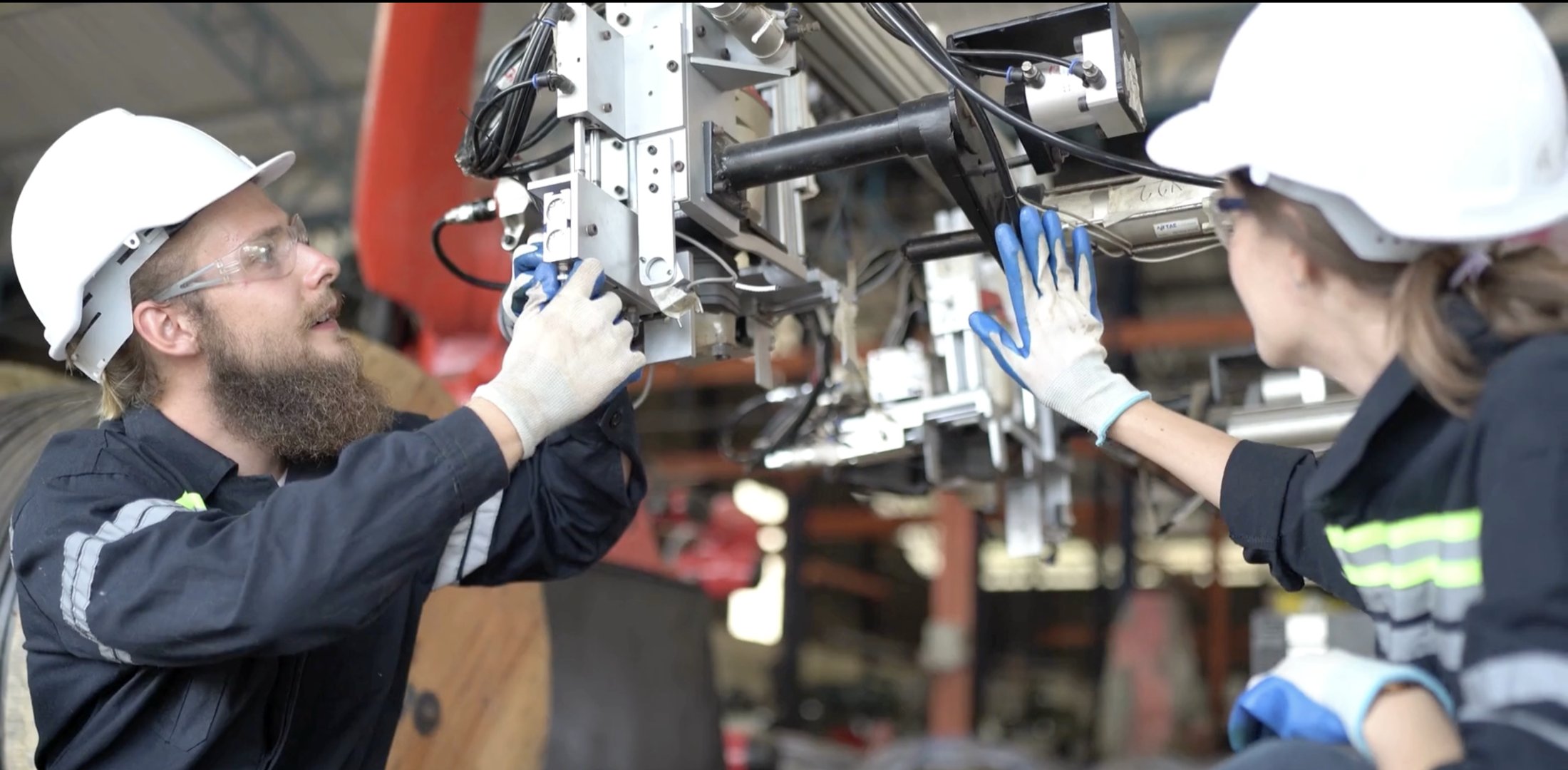
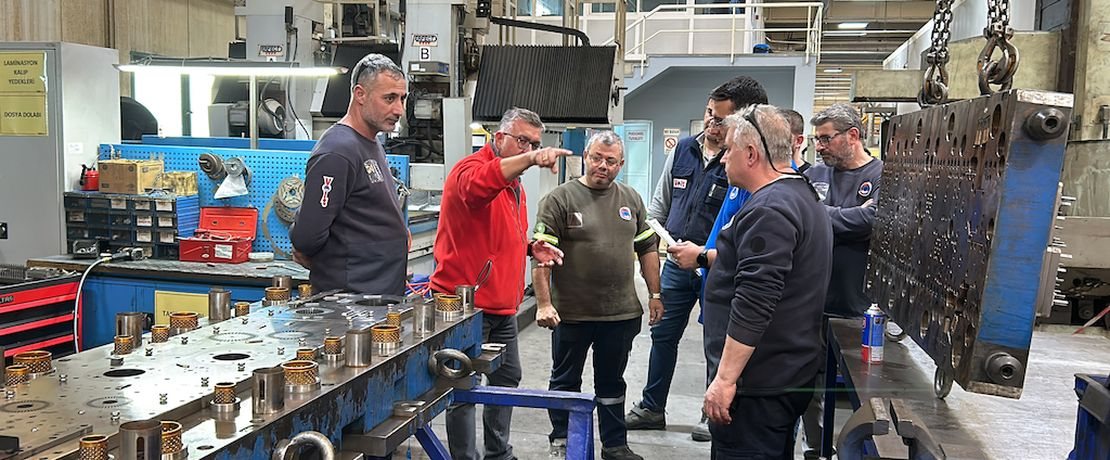
Gemba Partner team doing TPM maintenance work on the shop floor

TPM – Total Productive Management Consulting

Making the "Zero Breakdown" Strategy Reality, Not a Dream

Equipment efficiency is now achieved not only by the maintenance department but with the active participation of the entire organization. TPM for breakdown-free, reliable equipment management

OPERATIONAL EXCELLENCE Lean Production TPM Shop Floor Management Systems Leadership Development Program
DEFINITION

What Is TPM (Total Productive Management)?

TPM (Total Productive Management) is a management system developed by Japanese manufacturers; initially applied as the plant's total maintenance activities, it reached its present form with the development of participatory organizational activities. It is built on the idea that productivity, quality and customer satisfaction in plant processes must be achieved with the active participation of all members of the organization, not just one unit.

Overall Equipment Effectiveness (OEE) is measured and turned into a global metric, and the 6 Big Losses that make up the OEE parameters are managed as the main improvement items. TPM applied together with Lean Manufacturing is one of the most effective strategies for implementing the JIT (just-in-time production) principle.

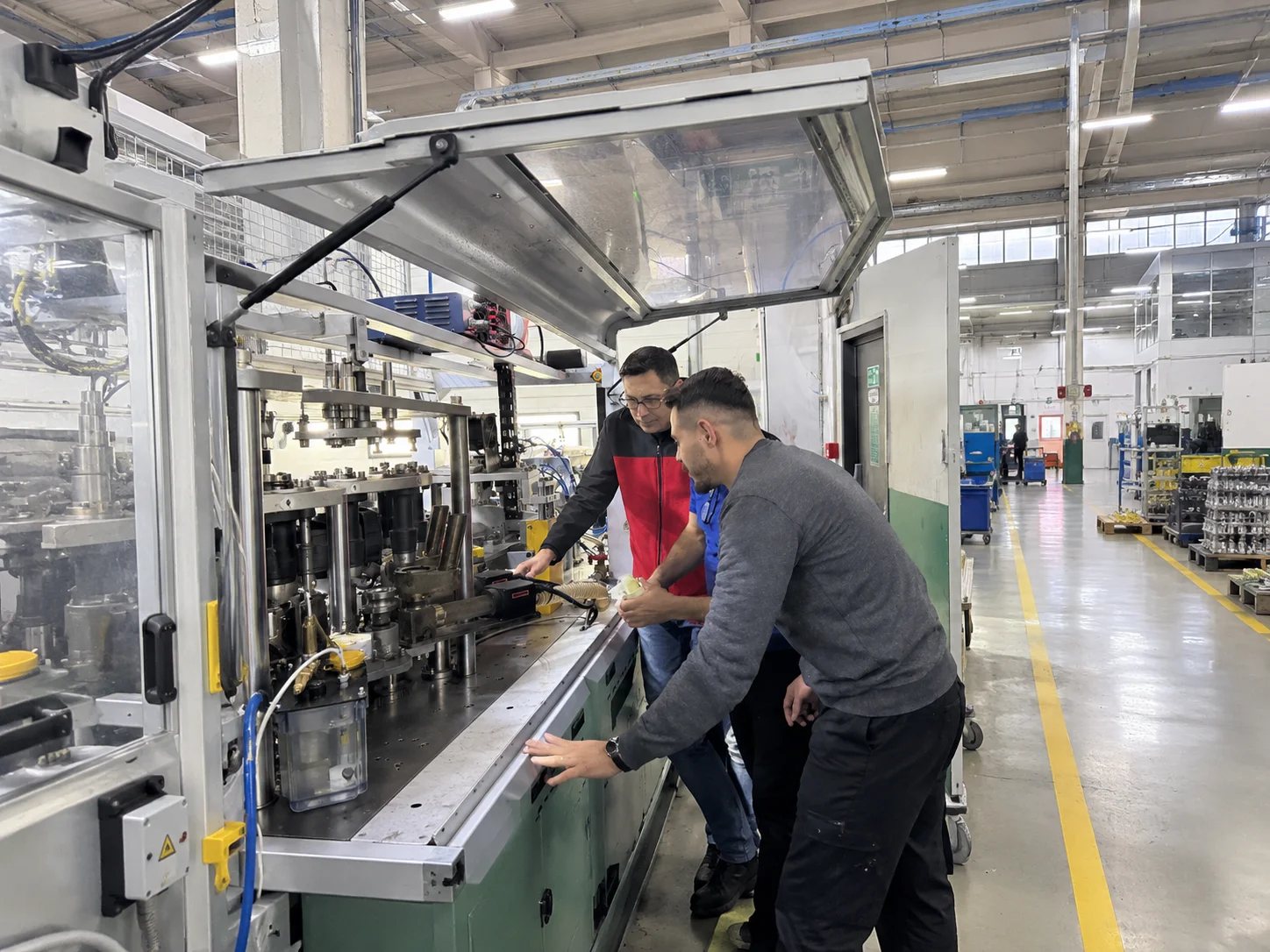
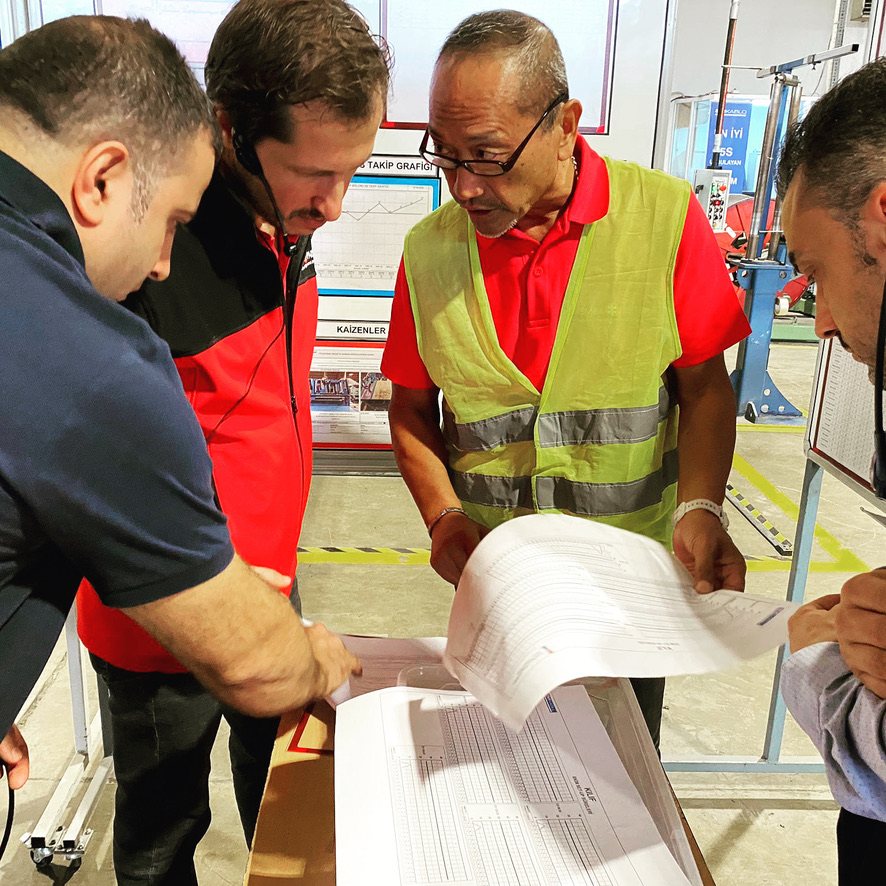
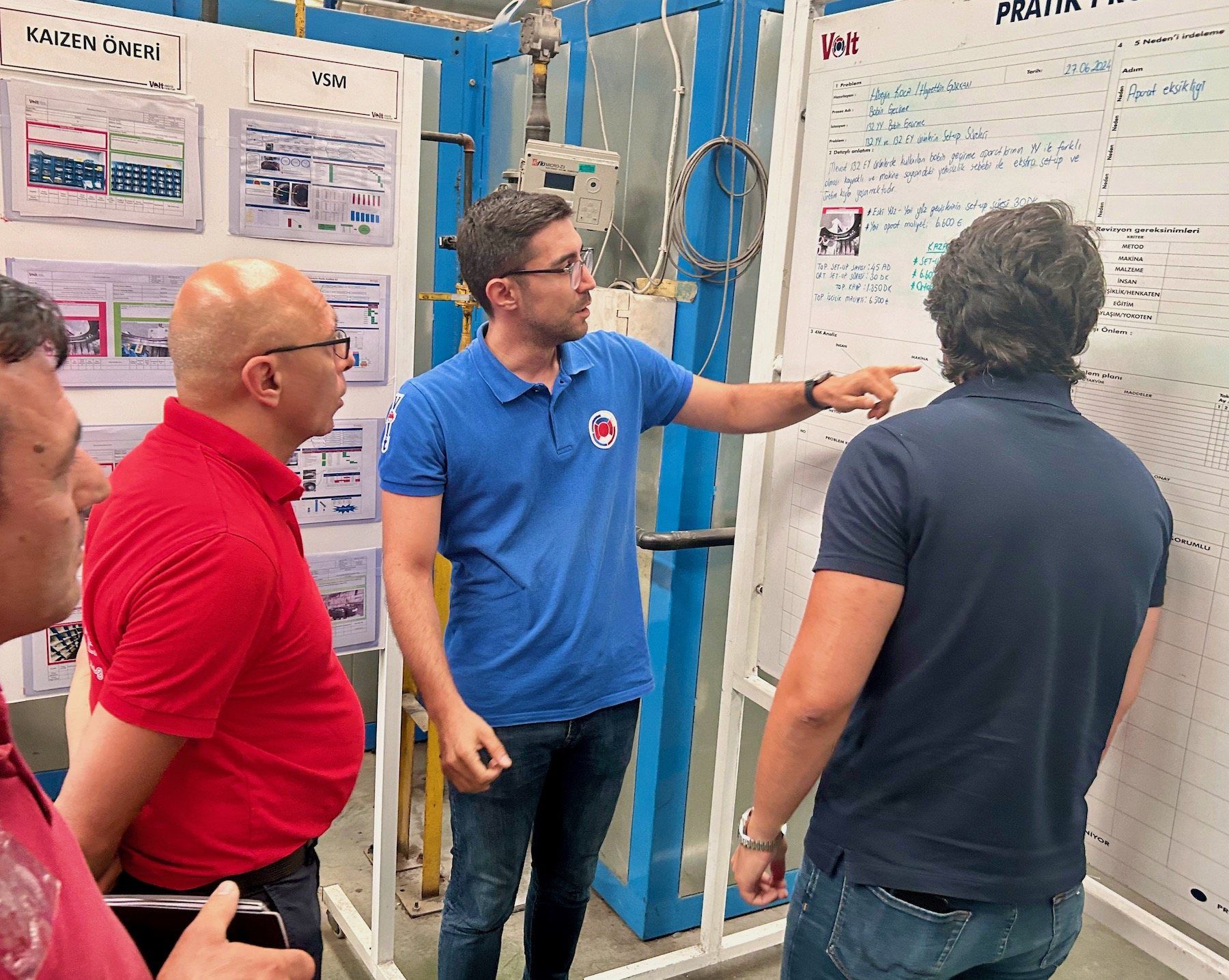
Gemba Partner team reviewing equipment tracking data on the shop floor
GET EXPERT ADVICE ON THIS TOPIC Schedule a free assessment call tailored to your shop floor.
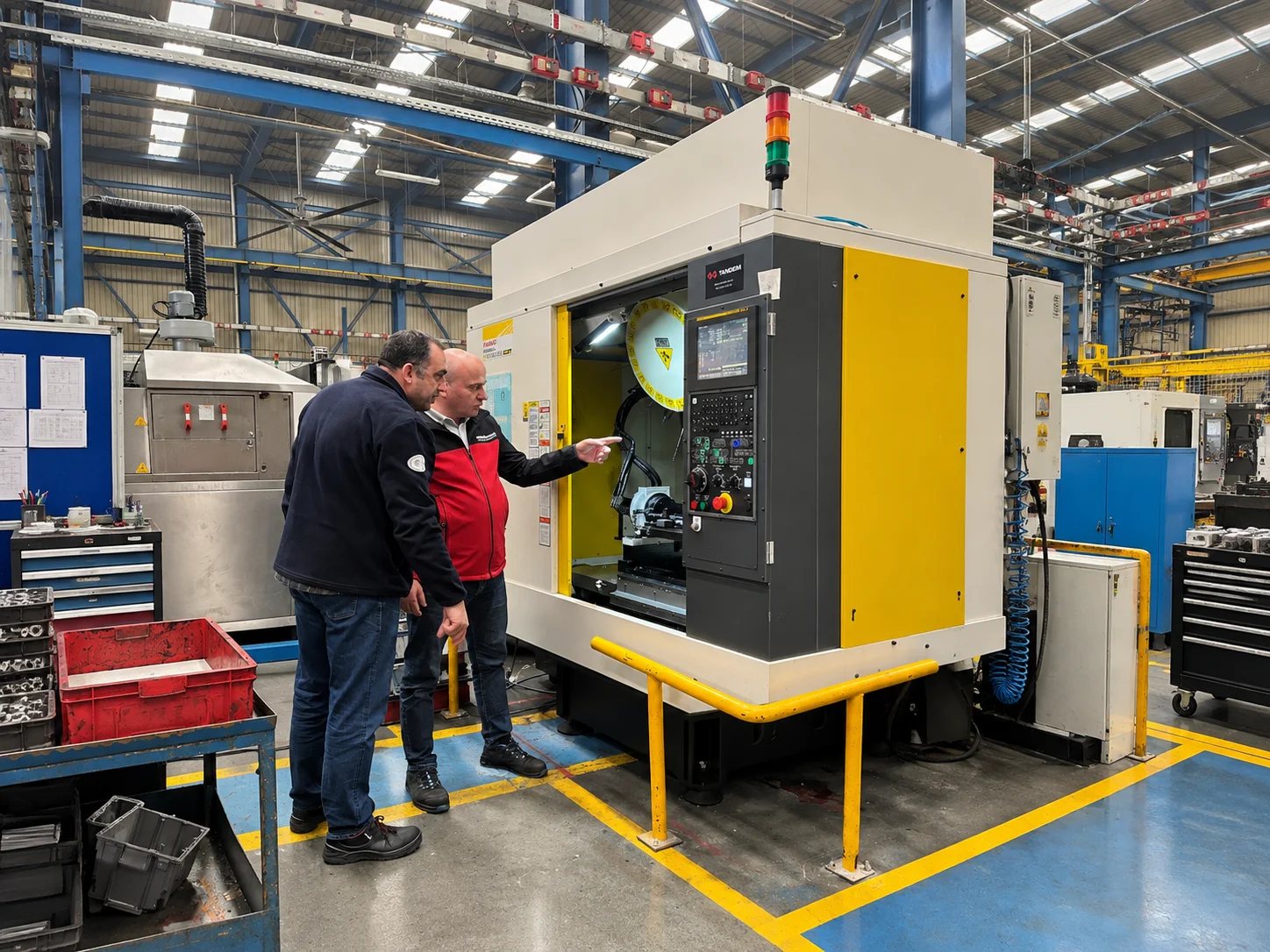
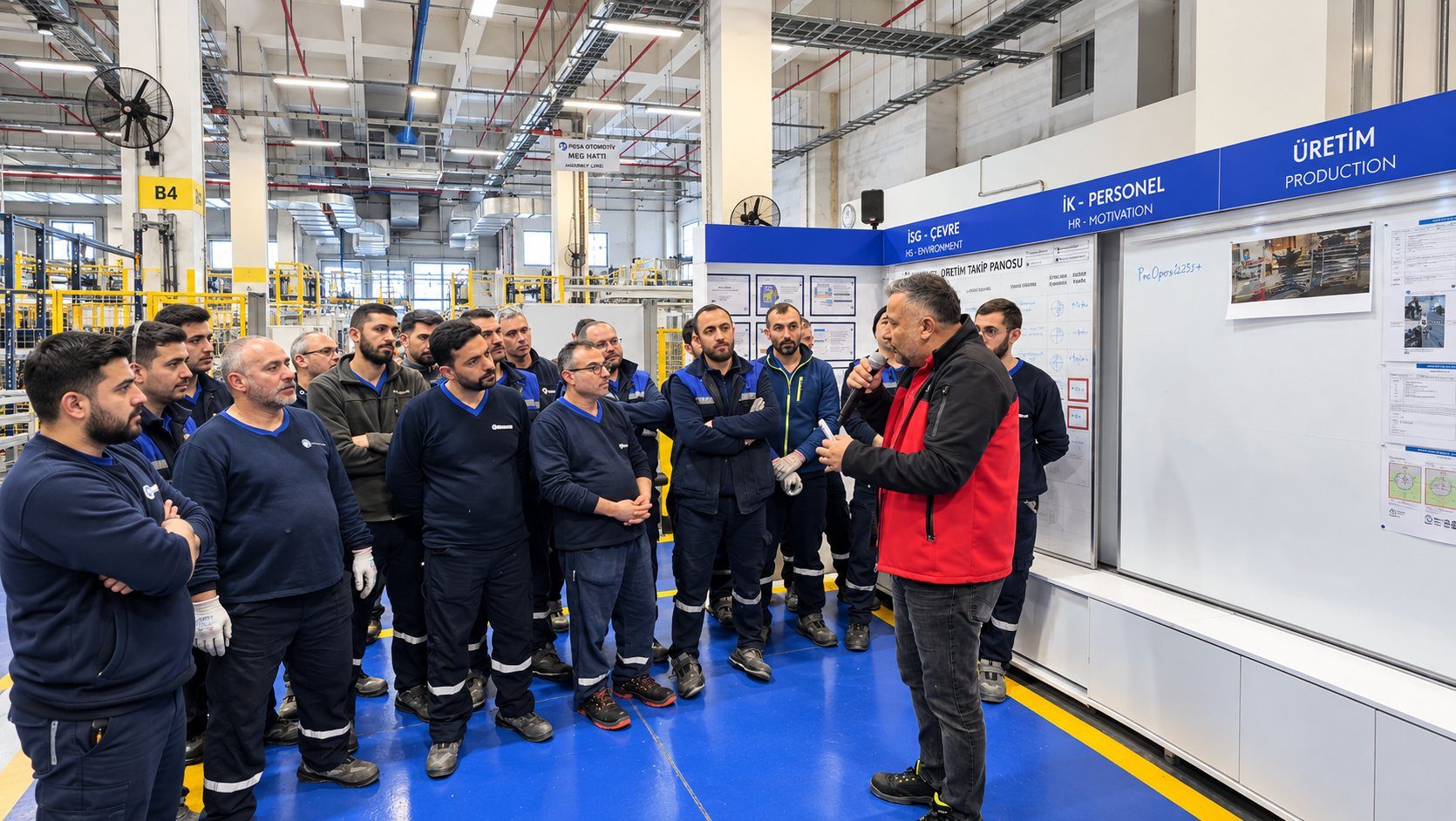
Gemba Partner team conducting a quality control review on the shop floor
RESULTS

In equipment reliability in quality, cost and time.

+20% OEE
-40% Downtime
-25% Failure Frequency

Making Reliable Equipment the Standard

Reduce equipment-related losses with TPM practices and move your shop floor a step ahead by shifting from planned maintenance to autonomous maintenance.

TRANSFORMATION STEPS

Toward Reliable Equipment Together Step by Step

With a four-step, repeatable system we deliver lasting results in equipment reliability — not a one-off maintenance project.

Request a discovery call →
1
Equipment AssessmentExisting equipment management and maintenance practice are assessed together on the shop floor.
2
OEE Measurement and the 6 Big LossesOverall Equipment Effectiveness is measured and the 6 Big Losses are managed as the main improvement items.
3
Participatory Maintenance CultureMaintenance is carried out with the participation of every level of the organization, not just one unit.
4
Sustainability and ProfitabilityGains are made lasting by turning them into activities that increase operational profitability.
OUR APPROACH

A Maintenance Culture That Creates Continuity on the Shop Floor

Our basis is not only equipment maintenance but improving and sustaining all processes with the participation of members at every level of the organization. In companies we support with TPM, equipment management is assessed first, then a progression plan toward operational excellence in industrial maintenance is built together.

From autonomous maintenance to planned maintenance, from operator involvement to engineering support, we put all TPM pillars into operation in a sequence specific to your shop floor.

The goal is not to manage breakdowns, but to eliminate the root causes that create them.

Gemba Partner team inspecting equipment and molds on the shop floor
PROVEN SUCCESS STORIES

Real Results from Shop-Floor Experience

PACKAGING · PRODUCTION LINEROI 2 Months

35% Increase in Line Speed

Bottlenecks, micro-stops and speed losses on the production line were analyzed. By improving process parameters and working standards, the capacity of the existing line was increased without investing in new equipment.

Line Speed+35%
Production Capacity+30%
Explore the related service →
DURABLE CONSUMER GOODS · PAINT SHOPROI 1 Month

100% Increase in Paint Shop Efficiency

Downtime, speed and capacity losses in the paint shop process were analyzed. By eliminating bottlenecks and improving working standards, output from existing equipment was doubled.

Production Efficiency+100%
OEE+40%
Explore the related service →
ASSEMBLY · LINE BALANCINGROI 2 Months

35% Improvement in Cycle Time through Line Balancing

Station loads and operator movements were analyzed. The production rhythm of the line was balanced by redesigning bottleneck operations and applying standard work.

Cycle Time−35%
Additional Capacity+8 Days/Month
Explore the related service →
AUTOMOTIVE · WIP & PRODUCTION FLOWROI 3 Months

20% Reduction in Work-in-Process Inventory

Inventory points between processes and the production flow were redesigned. With a pull system and a controlled WIP approach, the amount of semi-finished goods between processes was reduced, creating a faster and more visible production flow.

WIP−20%
Production Lead Time−15%
Explore the related service →
INDUSTRIAL PRODUCTION · OPERATIONAL TRANSFORMATIONROI 1 Month

50% Increase in EBITDA through Operational Improvements

Workforce, capacity, shifts and production losses were addressed together. Reducing operating costs and improving resource utilization translated directly into financial results.

EBITDA+50%
Operating Cost−18%
Explore the related service →
OUR EXPERTS

Consult Our TPM Experts

You can use the contact form to consult our experienced experts on TPM.

Go to the Contact Form
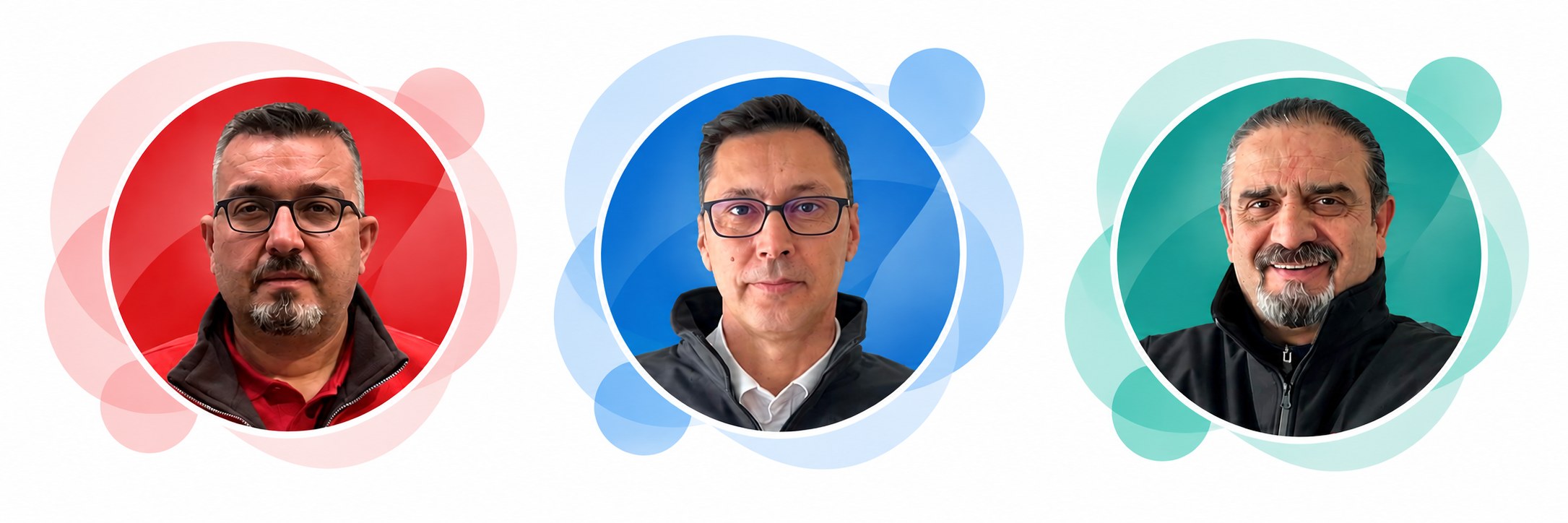
Gemba Partner TPM expert consultants
FAQ

What people ask

What is done first to start TPM?−
First, current equipment efficiency is assessed through OEE measurement and the sources of the 6 Big Losses are identified on the shop floor.
GEMBA BLOG

Notes from the Shop Floor and Expert Views

See all articles →
Yamazaki Tetsuya reviewing OEE and production data on the shop floor
OEE

What Is OEE and Why Should Companies Track OEE Metrics?

The core indicator for measuring equipment effectiveness and making decisions on the shop floor.

Read more →
The First Three Steps of Autonomous Maintenance
OEE

How Should OEE Targets Be Set?

Practical methods for setting realistic, shop-floor-specific OEE targets.

Read more →
Implementation and training session at the factory
TPM

Reducing Downtime with TPM

From planned maintenance to autonomous maintenance: the approach that permanently reduces downtime losses.

Read more →
FREE INTRODUCTORY MEETING

Ready to Unlock the Idle Capacity in Your Factory?

Our senior Gemba Partner consultants will carry out an on-site preliminary assessment at your facility, analyze your value stream and report your waste map and potential OEE gain projection.

A diagnostic report based on concrete shop-floor measurements, not assumptions.
ROI projection for the Board and Operations Directorate.
Zero commitment, protected by a full non-disclosure agreement (NDA).
+90 216 212 08 77/info@gembapartner.com

Request a Meeting

Your information is protected under KVKK and is never shared with third parties.
Gemba Partner
Gemba Partner team doing TPM maintenance work on the shop floor
TPM – Total Productive Management Consulting

Making the "Zero Breakdown" Strategy Reality, Not a Dream

Equipment efficiency is now achieved not only by the maintenance department but with the active participation of the entire organization. TPM for breakdown-free, reliable equipment management

Request a discovery call
Lean Production TPM Shop Floor Management Systems Leadership Development Program
DEFINITION

What Is TPM (Total Productive Management)?

TPM (Total Productive Management) is a management system developed by Japanese manufacturers; initially applied as the plant's total maintenance activities, it reached its present form with the development of participatory organizational activities. It is built on the idea that productivity, quality and customer satisfaction in plant processes must be achieved with the active participation of all members of the organization, not just one unit.

Overall Equipment Effectiveness (OEE) is measured and turned into a global metric, and the 6 Big Losses that make up the OEE parameters are managed as the main improvement items. TPM applied together with Lean Manufacturing is one of the most effective strategies for implementing the JIT (just-in-time production) principle.

Gemba Partner team reviewing equipment tracking data on the shop floor
GET EXPERT ADVICE ON THIS TOPIC Schedule a free assessment call tailored to your shop floor.
Gemba Partner team conducting a quality control review on the shop floor
RESULTS

In equipment reliability in quality, cost and time.

+20% OEE
-40% Downtime
-25% Failure Frequency

Making Reliable Equipment the Standard

Reduce equipment-related losses with TPM practices and move your shop floor a step ahead by shifting from planned maintenance to autonomous maintenance.

TRANSFORMATION STEPS

Toward Reliable Equipment Together Step by Step

With a four-step, repeatable system we deliver lasting results in equipment reliability — not a one-off maintenance project.

Request a discovery call →
1
Equipment AssessmentExisting equipment management and maintenance practice are assessed together on the shop floor.
2
OEE Measurement and the 6 Big LossesOverall Equipment Effectiveness is measured and the 6 Big Losses are managed as the main improvement items.
3
Participatory Maintenance CultureMaintenance is carried out with the participation of every level of the organization, not just one unit.
4
Sustainability and ProfitabilityGains are made lasting by turning them into activities that increase operational profitability.
Gemba Partner team inspecting equipment and molds on the shop floor
OUR APPROACH

A Maintenance Culture That Creates Continuity on the Shop Floor

Our basis is not only equipment maintenance but improving and sustaining all processes with the participation of members at every level of the organization. In companies we support with TPM, equipment management is assessed first, then a progression plan toward operational excellence in industrial maintenance is built together.

From autonomous maintenance to planned maintenance, from operator involvement to engineering support, we put all TPM pillars into operation in a sequence specific to your shop floor.

The goal is not to manage breakdowns, but to eliminate the root causes that create them.

PROVEN SUCCESS STORIES

Real Results from Shop-Floor Experience

PACKAGING · PRODUCTION LINEROI 2 Months

35% Increase in Line Speed

Bottlenecks, micro-stops and speed losses on the production line were analyzed. By improving process parameters and working standards, the capacity of the existing line was increased without investing in new equipment.

Line Speed+35%
Production Capacity+30%
Explore the related service →
DURABLE CONSUMER GOODS · PAINT SHOPROI 1 Month

100% Increase in Paint Shop Efficiency

Downtime, speed and capacity losses in the paint shop process were analyzed. By eliminating bottlenecks and improving working standards, output from existing equipment was doubled.

Production Efficiency+100%
OEE+40%
Explore the related service →
ASSEMBLY · LINE BALANCINGROI 2 Months

35% Improvement in Cycle Time through Line Balancing

Station loads and operator movements were analyzed. The production rhythm of the line was balanced by redesigning bottleneck operations and applying standard work.

Cycle Time−35%
Additional Capacity+8 Days/Month
Explore the related service →
AUTOMOTIVE · WIP & PRODUCTION FLOWROI 3 Months

20% Reduction in Work-in-Process Inventory

Inventory points between processes and the production flow were redesigned. With a pull system and a controlled WIP approach, the amount of semi-finished goods between processes was reduced, creating a faster and more visible production flow.

WIP−20%
Production Lead Time−15%
Explore the related service →
INDUSTRIAL PRODUCTION · OPERATIONAL TRANSFORMATIONROI 1 Month

50% Increase in EBITDA through Operational Improvements

Workforce, capacity, shifts and production losses were addressed together. Reducing operating costs and improving resource utilization translated directly into financial results.

EBITDA+50%
Operating Cost−18%
Explore the related service →
Gemba Partner TPM expert consultants
OUR EXPERTS

Consult Our TPM Experts

You can use the contact form to consult our experienced experts on TPM.

Go to the Contact Form
FAQ

What people ask

What is done first to start TPM?−
First, current equipment efficiency is assessed through OEE measurement and the sources of the 6 Big Losses are identified on the shop floor.
GEMBA BLOG

Notes from the Shop Floor and Expert Views

FREE INTRODUCTORY MEETING

Ready to Unlock the Idle Capacity in Your Factory?

Our senior Gemba Partner consultants will carry out an on-site preliminary assessment at your facility, analyze your value stream and report your waste map and potential OEE gain projection.

A diagnostic report based on concrete shop-floor measurements, not assumptions.
ROI projection for the Board and Operations Directorate.
Zero commitment, protected by a full non-disclosure agreement (NDA).
+90 216 212 08 77info@gembapartner.com

Request a Meeting

Your information is protected under KVKK and is never shared with third parties.