
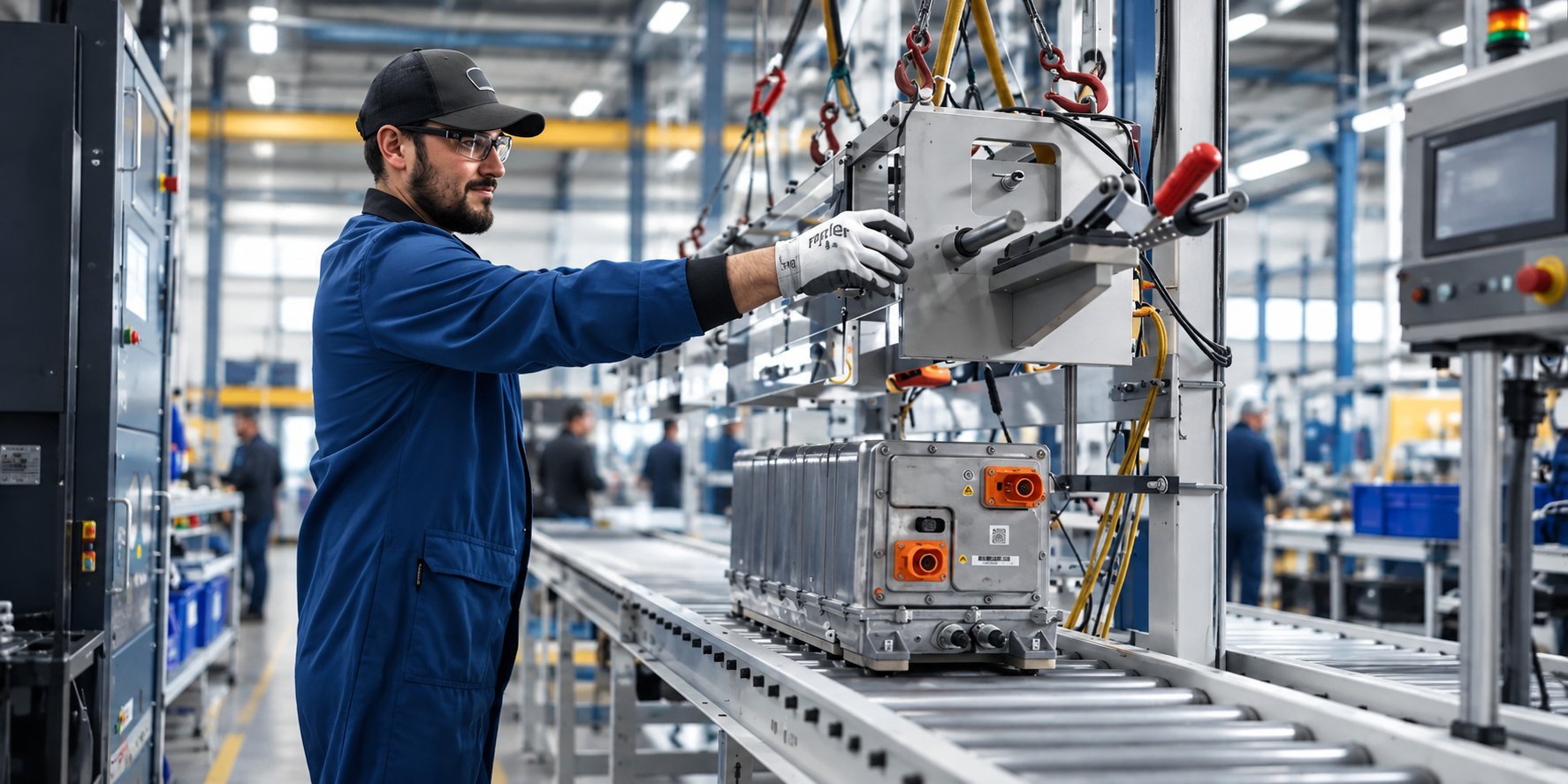
Starting Point: Room for Improvement Even at High Performance
The automotive sector has a strong production culture that is never satisfied with the performance it has reached and always looks for better. That is why even small-looking equipment losses represent a major improvement opportunity.
At the start of the project, machine availability stood at 83%. Despite existing maintenance activities, the systematic approach needed to reduce planned and unplanned downtime was not strong enough. The main areas for improvement were:
- Recurring downtime: Equipment stoppages kept recurring and the preventive maintenance system had gaps.
- Limited use of predictive maintenance: Predictive maintenance practices were not used effectively enough, and the maintenance skills of technical teams needed to be developed.
- Unclear responsibilities: Autonomous maintenance checks were not performed to a standard, responsibilities between production and maintenance teams were not clear enough, and critical check points were not followed regularly.
Approach: Preventing Failures Before They Occur
The core need was not just to respond to failures faster, but to build a maintenance system that could prevent them before they occurred. With the TPM approach, planned maintenance, autonomous maintenance and technical skills were addressed together:
- Equipment losses and downtime causes were analyzed.
- Predictive and preventive maintenance systems were re-evaluated; planned maintenance activities were arranged according to equipment needs.
- Technical training and on-the-job practice were carried out again.
- Daily autonomous maintenance responsibilities of production teams were defined.
- Critical equipment check points were standardized and followed regularly.
- A shared sense of equipment ownership was developed between production and maintenance teams.
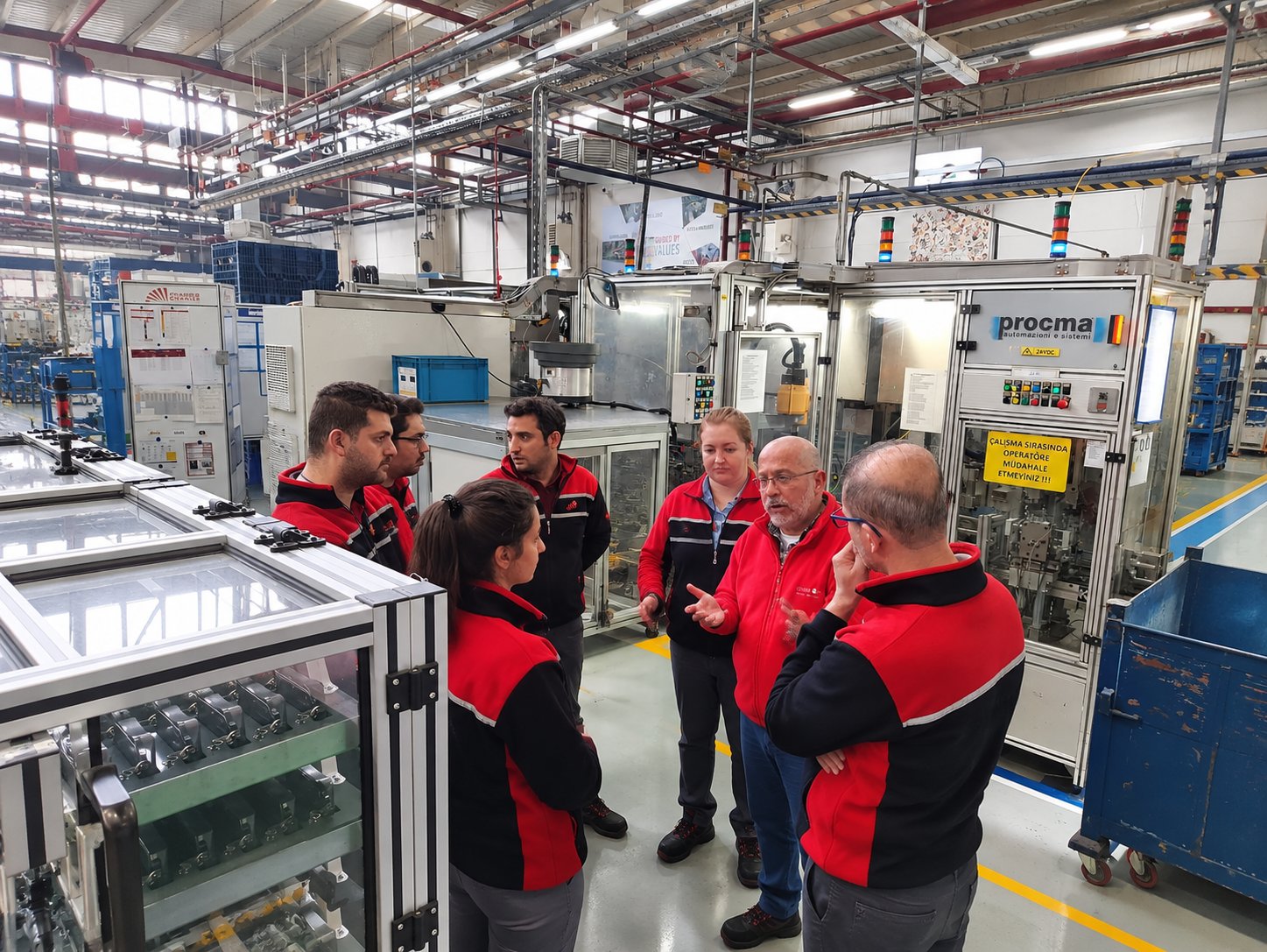
Result: The Transformation Scorecard
At the end of the six-month transformation, machine availability rose from 83% to 91.2%, an increase of 8.2 points, or about 10% in relative terms. The results were achieved by improving the reliability of existing machines before any new equipment investment.
| Parameter | Before | After | Improvement |
|---|---|---|---|
| Machine availability | 83% | 91.2% | +8.2 pts (≈10%) |
| Equipment downtime | Baseline | Reduced | Less downtime |
| Maintenance system | Incomplete | Preventive and predictive | Strengthened |
| Autonomous maintenance checks | Not standardized | Daily, standardized | Disciplined follow-up |
If you experience recurring equipment failures, unplanned downtime or low machine availability in your plant, let us assess the improvement opportunities together.
Request a Quick Diagnosis on Your Shop Floor
With the Quick Shop Floor Diagnosis, let us analyze your maintenance system, equipment losses, technical skills and autonomous maintenance practices, and build your tailored TPM transformation roadmap together.
Request a quick diagnosis