
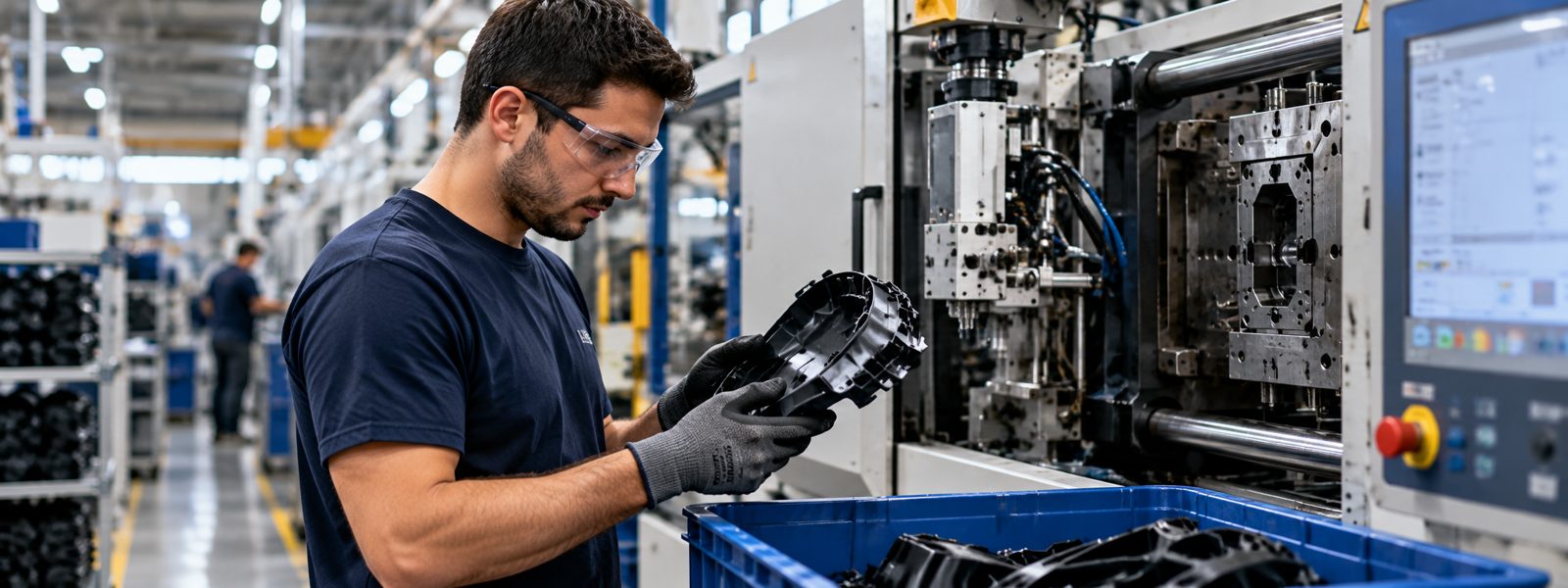
Starting point: a strong system, shop floor management open to improvement
When shop floor leaders’ competencies have not reached the required level, losses show up not only in production and quality indicators. Delayed decisions, recurring problems and low employee engagement also directly affect operational performance and operating profitability. Our customer, a German-origin global automotive supplier, had a strong WCM infrastructure; however, the system’s execution on the shop floor, leadership behaviors and daily management discipline were not at the same level of maturity.
- Recurring problems and prolonged stoppages
- Delayed actions and non-standard practices
- Low employee engagement and inefficient meetings
- Missed improvement opportunities and slow decision-making
The root cause of the losses was less a technical shortcoming than the fact that shop floor leaders were not managing the existing system effectively enough.
The transformation: not a new system, but strong shop floor leadership
Instead of building a new management system, we focused on leadership behaviors that would strengthen the existing WCM infrastructure on the shop floor. The program was run in four key areas.
- Applied lean leadership: Leaders developed their competencies by working on real shop floor problems.
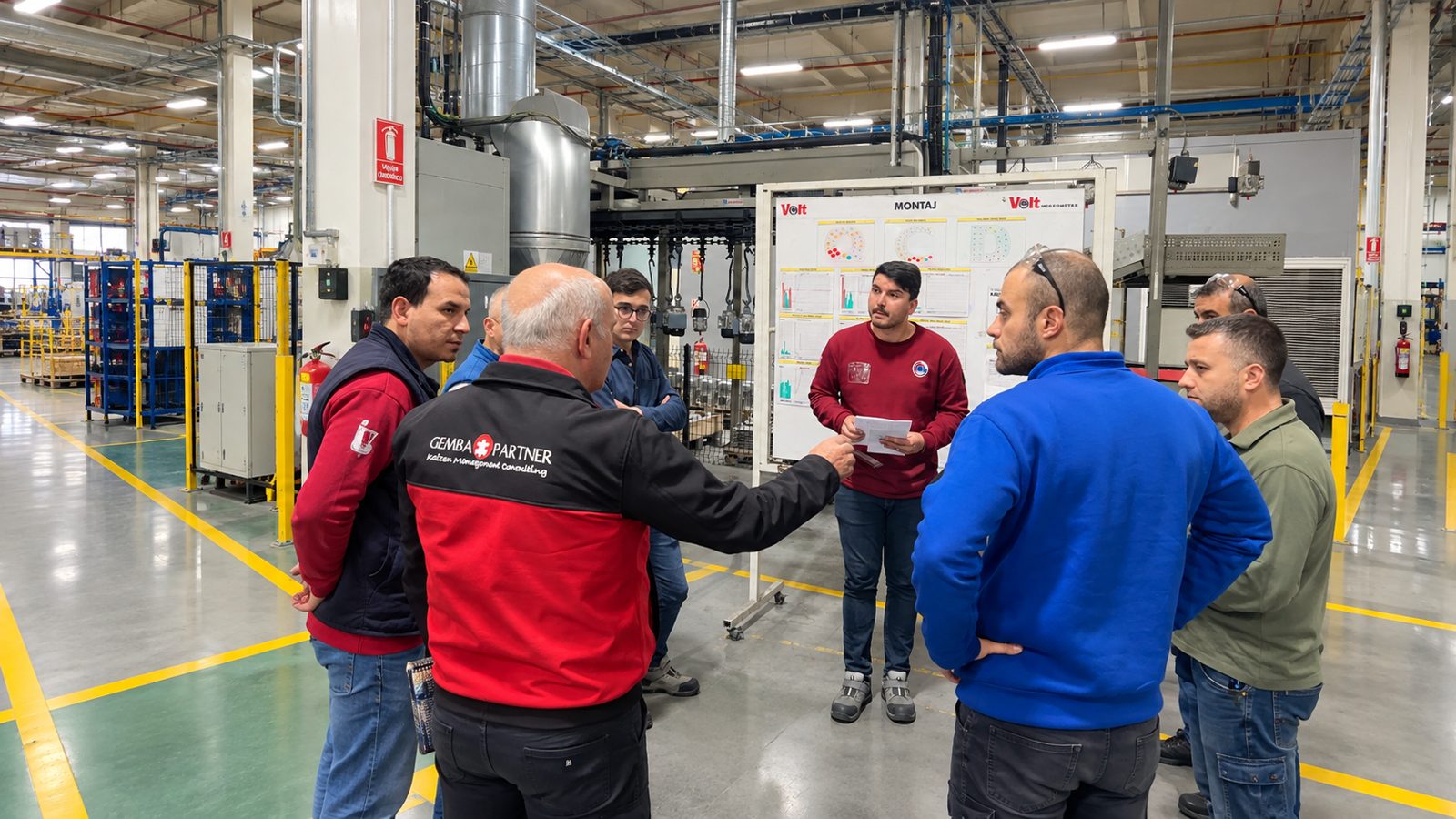
- Daily shop floor management: Line-based meetings and performance tracking were standardized.
- PDCA discipline: Problems were not merely reported; they were analyzed, root causes were identified, and they were turned into actions and standardized.
- Team engagement: Employees turned from people who do the work into team members who improve the process.
The leaders’ role also evolved from a manager who produces solutions alone into a shop floor coach who unlocks the potential of the team. This approach addresses leadership development, daily shop floor management and problem-solving coaching together.
Result: a lasting competitive advantage
At the end of the six-month implementation, an operational gain of €98,000 was achieved; the project’s return on investment (ROI) period was 1.5 months. These results were achieved without new machine investment, additional production space or additional staff.
A strong shop floor leader notices problems early, involves the team in the solution process, ensures standards are maintained and turns daily performance into an improvement opportunity. Technology and machines can be bought; however, a culture of continuous improvement cannot be sustained without strong shop floor leadership.
Request a quick diagnosis for your facility
If you are not reaching your targeted results despite a strong WCM or OPEX infrastructure, the area for improvement may lie in your daily shop floor leadership system. With the Competitiveness Quick Diagnosis, let us analyze leadership, daily management and problem-solving discipline.
Request a quick diagnosis