30% Optimization in Indirect Labor
Support processes, task allocations and shop floor organization were analyzed and duplicate work was eliminated. The organization moved to a leaner structure while the operational service level was maintained.
Small Batches Should Not Turn into Big Losses
Growing model variety, shrinking order quantities and short deadlines challenge the production flow anew every day. We analyze together the points that slow production, from line balancing to model changeovers, from intermediate stocks to labor use; with existing capacity we create a more flexible, fast and controlled production flow.
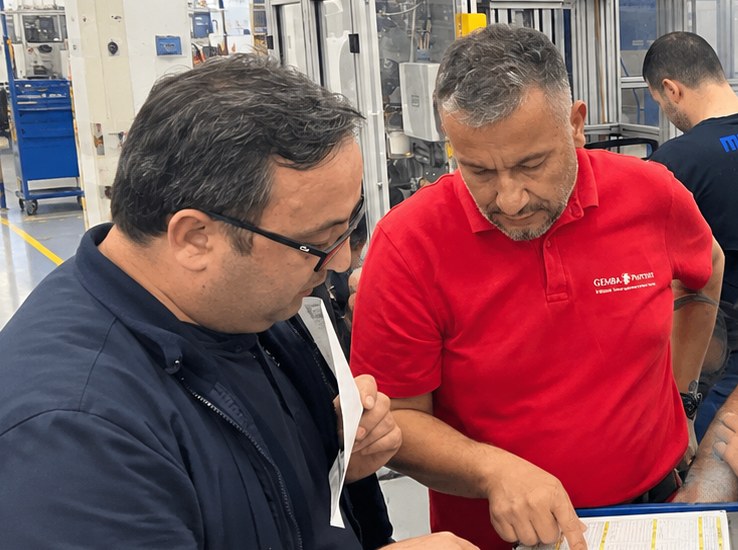
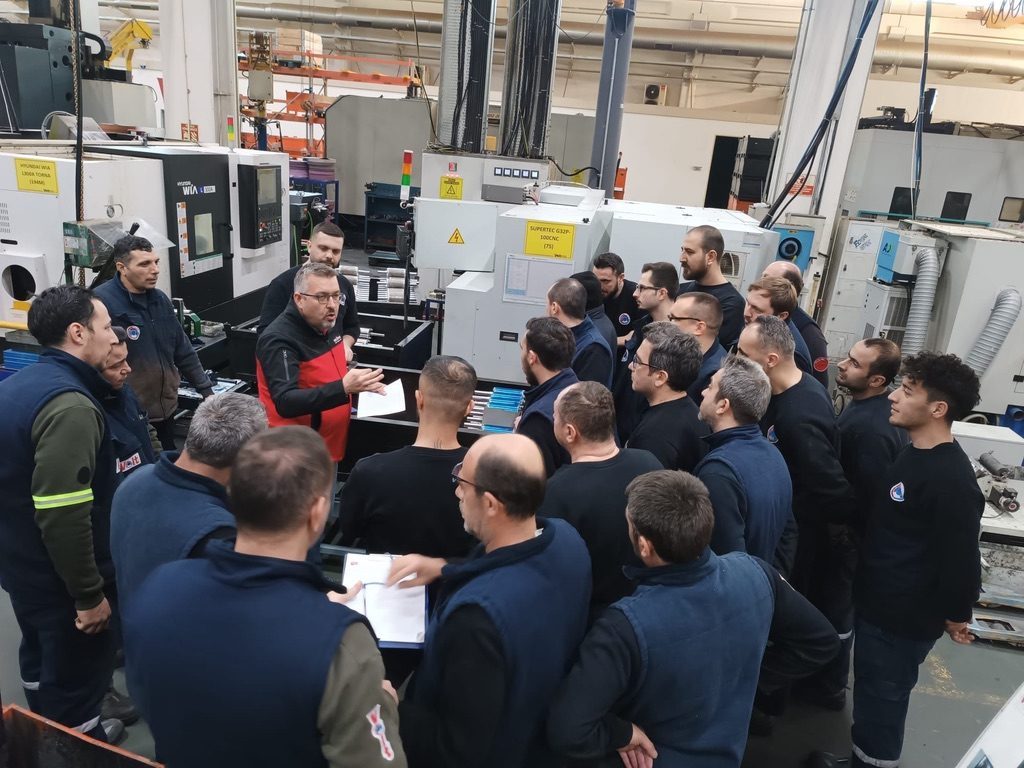
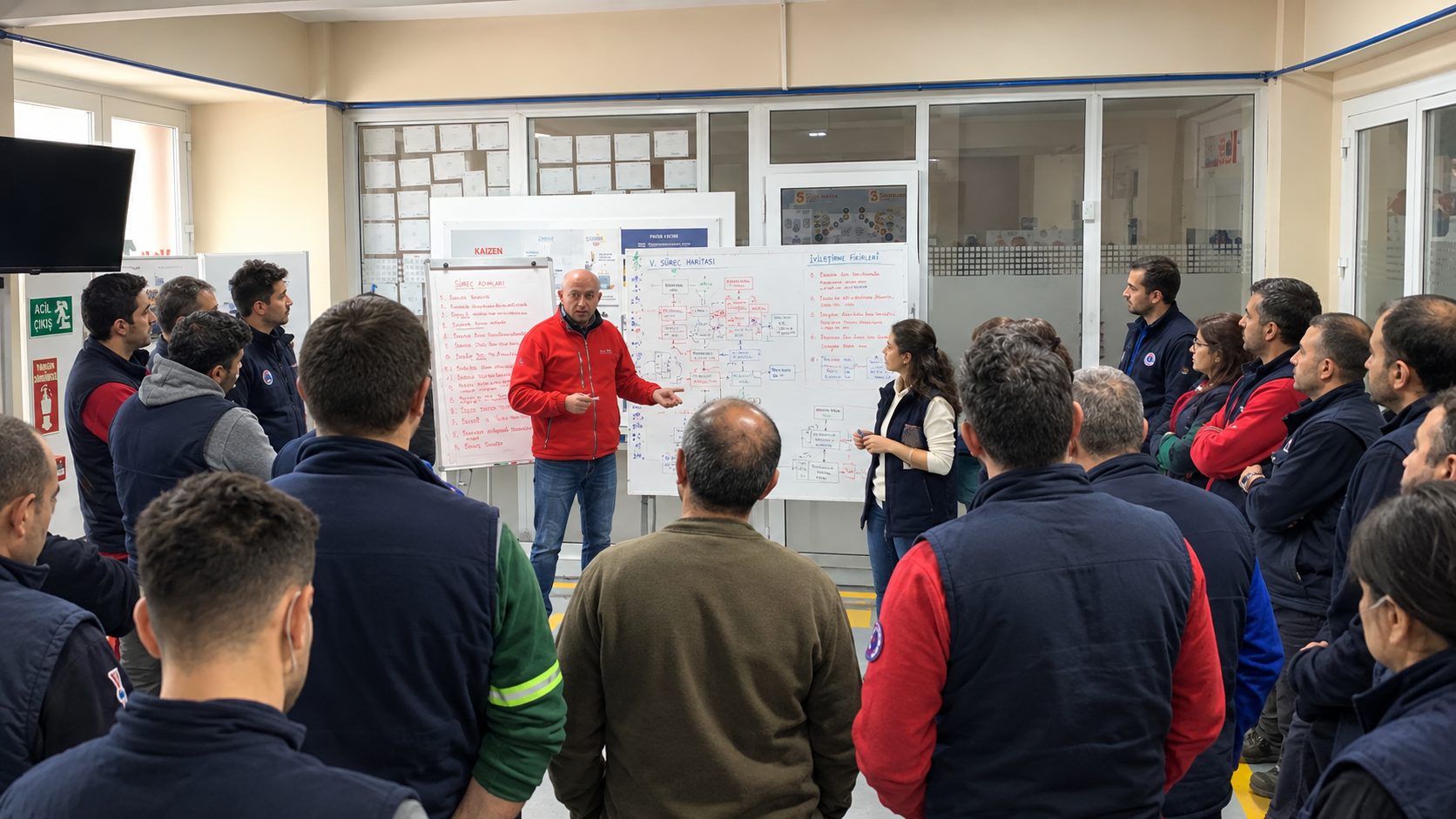
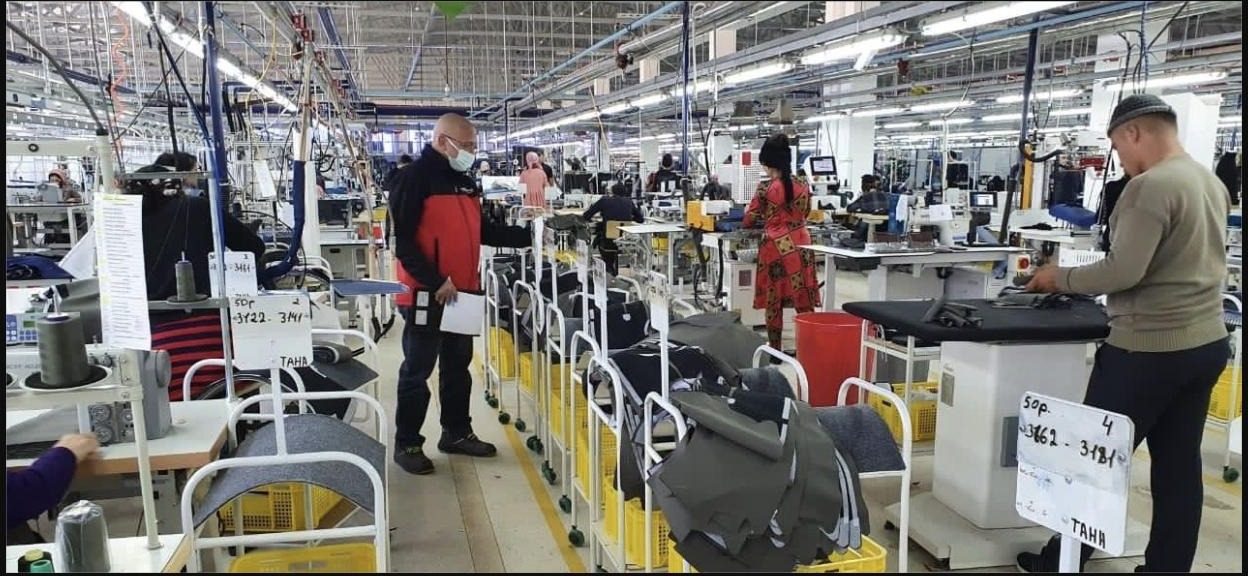
We work side by side on the shop floor with textile, denim and ready-to-wear manufacturers.


Shortening seasons, shrinking order quantities, growing model variety and rising labor costs expect textile manufacturers to produce with shorter deadlines, at lower cost and error-free.
As Gemba Partner, we address the production flow end to end, from yarn to fabric, from cutting to sewing, from ironing-packing to shipment.
On sewing lines we set up line balancing and standard work systems, shorten model changeover times, reduce intermediate stocks between processes and bring quality control into the process. With daily shop floor management we make targets visible in every shift.
The goal is to build a flexible and controlled operation that can profitably produce even small batches.

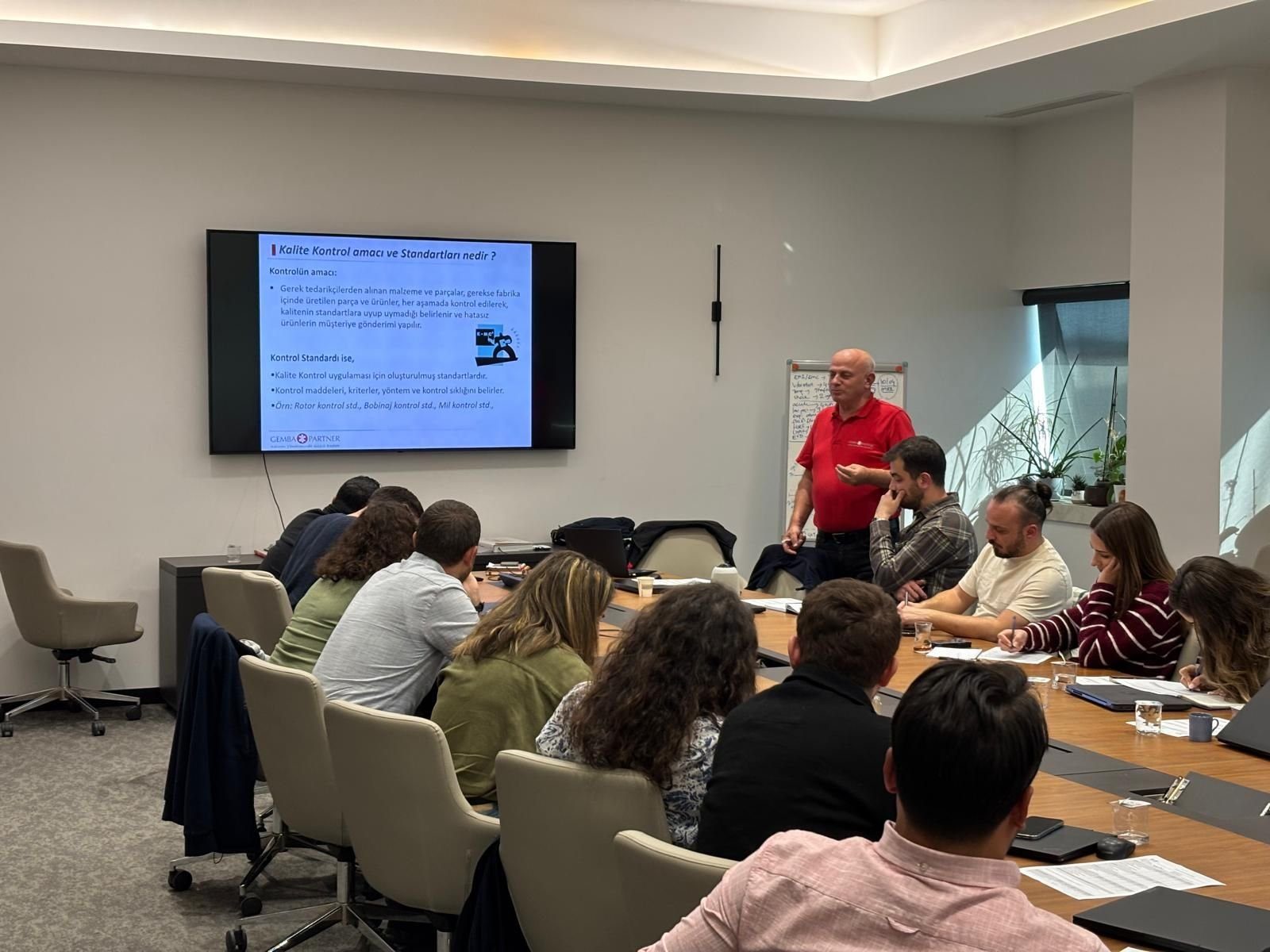
We turn the operational excellence and production system development work we do on the shop floor into measurable results.
Support processes, task allocations and shop floor organization were analyzed and duplicate work was eliminated. The organization moved to a leaner structure while the operational service level was maintained.
Operation times, workload distributions and in-line waiting were analyzed. Workstations were rebalanced to reduce bottlenecks, workload among operators was balanced and the line's production capacity was increased without additional resources.
Station loads and operator movements were analyzed. The production rhythm of the line was balanced by redesigning bottleneck operations and applying standard work.
The production flow was redesigned with line balancing, bottleneck analysis and standard work activities. With the same resources, daily output was increased from 500 to 860 units.
Bottlenecks, micro-stops and speed losses on the production line were analyzed. By improving process parameters and working standards, the capacity of the existing line was increased without investing in new equipment.
Downtime, speed and capacity losses in the paint shop process were analyzed. By eliminating bottlenecks and improving working standards, output from existing equipment was doubled.
From Operational Excellence and Lean Transformation to digital shop floor management, from factory layout to capacity development, we address your production system end to end.


Growing model variety, shrinking order quantities and short deadlines challenge the production flow anew every day. We analyze together the points that slow production, from line balancing to model changeovers, from intermediate stocks to labor use; with existing capacity we create a more flexible, fast and controlled production flow.
Request a discovery callWe work side by side on the shop floor with textile, denim and ready-to-wear manufacturers.


Shortening seasons, shrinking order quantities, growing model variety and rising labor costs expect textile manufacturers to produce with shorter deadlines, at lower cost and error-free.
As Gemba Partner, we address the production flow end to end, from yarn to fabric, from cutting to sewing, from ironing-packing to shipment.
On sewing lines we set up line balancing and standard work systems, shorten model changeover times, reduce intermediate stocks between processes and bring quality control into the process. With daily shop floor management we make targets visible in every shift.
The goal is to build a flexible and controlled operation that can profitably produce even small batches.

We turn the operational excellence and production system development work we do on the shop floor into measurable results.
Support processes, task allocations and shop floor organization were analyzed and duplicate work was eliminated. The organization moved to a leaner structure while the operational service level was maintained.
Operation times, workload distributions and in-line waiting were analyzed. Workstations were rebalanced to reduce bottlenecks, workload among operators was balanced and the line's production capacity was increased without additional resources.
Station loads and operator movements were analyzed. The production rhythm of the line was balanced by redesigning bottleneck operations and applying standard work.
The production flow was redesigned with line balancing, bottleneck analysis and standard work activities. With the same resources, daily output was increased from 500 to 860 units.
Bottlenecks, micro-stops and speed losses on the production line were analyzed. By improving process parameters and working standards, the capacity of the existing line was increased without investing in new equipment.
Downtime, speed and capacity losses in the paint shop process were analyzed. By eliminating bottlenecks and improving working standards, output from existing equipment was doubled.
From Operational Excellence and Lean Transformation to digital shop floor management, from factory layout to capacity development, we address your production system end to end.


Size en iyi deneyimi sunmak için çerez gibi teknolojiler kullanıyoruz. Bu teknolojilere onay vermeniz, sitede gezinme davranışı veya benzersiz kimlikler gibi verileri işlememize olanak tanır. Onay vermemeniz ya da onayınızı geri çekmeniz bazı özellik ve işlevleri olumsuz etkileyebilir.