What Are Field Management Tools? Best Solutions and Usage Guide
What are field management tools? In modern business, operations have moved beyond four walls and spread to the field. From technical service teams to sales representatives, from logistics staff to inspection specialists, a wide group directly shapes the company's success in the field. But
What Are Field Management Tools?
In modern business, operations have moved beyond four walls and spread to the field. From technical service teams to sales representatives, from logistics staff to inspection specialists, a wide group directly shapes the company’s success in the field. But managing these teams far from headquarters, tracking workflows and measuring efficiency is almost impossible with traditional methods. This is where field management toolsare technological solutions that let you manage scattered teams from a single digital hub.
As Gembapartner, in this guide we will detail the functions of field management tools, the value they will bring to your business and the most current solutions of 2026.
What Do Field Management Tools Do?
Field management tools are systems that assign tasks to teams outside the office, optimize their routes, report work processes in real time and analyze all this data. The main purpose of these tools is to make “invisible” field operations transparent and measurable.
Differences Between Manual Field Management and Digital Field Management
In the past, field management was done through phone calls, WhatsApp groups and paper forms delivered at the end of the day. Digital field management completely changes this clumsy structure:
-
Speed: In a manual system it takes minutes or even hours for a work order to reach field personnel; with digital tools it takes seconds.
-
Data Accuracy: “Reading errors” or “lost forms” on paper forms are replaced in digital by verified data (photos, GPS location, digital signature).
-
Cost: In manual management idle time and inefficient routes create serious fuel and time costs, while digital systems minimize this waste.
Key Features of Field Management Tools
A good field management software is not just a tracking device but an end-to-end operations management center.
Task and Work Order Management
The manager at headquarters assigns which person does which job by drag and drop. The work order lands in the personnel’s mobile app instantly and all details of the job (customer notes, required parts, etc.) are in the system.
Live Location and Route Tracking
Where field teams are is tracked instantly on a map via GPS. Smart algorithms calculate the shortest route based on traffic and job priority, saving fuel.
Mobile App and Instant Notifications
The biggest power in field personnel’s hands is the mobile app. Personnel report that they have started work, taken a break or finished the job from here. When the customer address changes or a new urgent task is added, they are notified instantly.
Reporting and Performance Analysis
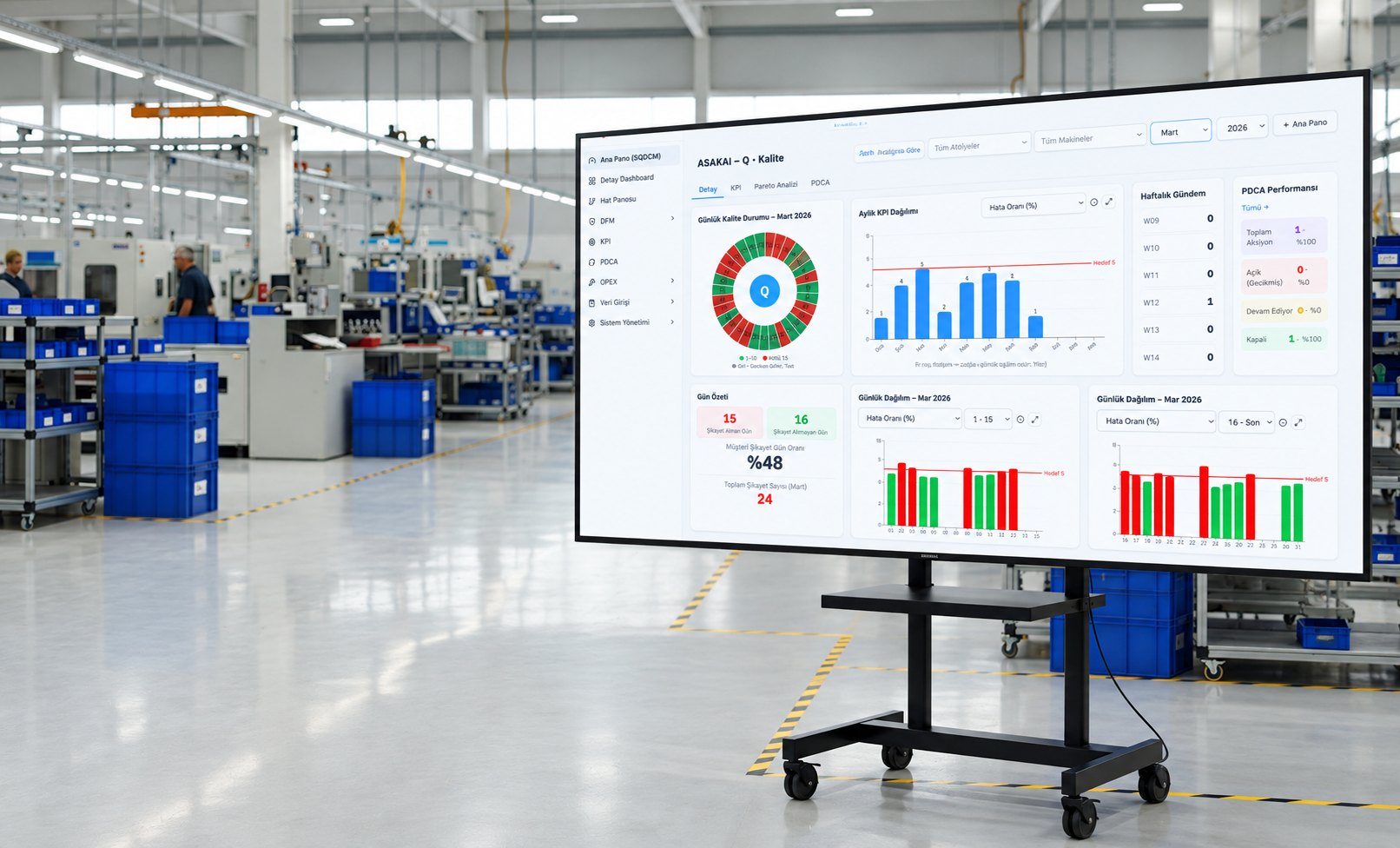
Automatic reports are generated at the end of the job. How many jobs were completed successfully, customer satisfaction scores and time spent are reflected on the manager panel with charts.
Most Preferred Field Management Tools (2026)
As of 2026, AI integration has become a standard feature in field management tools.
Field Management Tools for Small Businesses
For SMEs, user-friendly tools with quick setup are the priority instead of complex systems. Connecteam or Jobber and similar apps work wonders in job tracking and timesheet management with low-cost subscription models.
Field Management Tools for Medium and Large Businesses
For companies with more complex operations, Salesforce Field Service or Microsoft Dynamics 365 Field Service stand out. With AI-powered forecasting, these systems can predict which machine may fail and direct personnel in advance.
Field Management Tools Focused on Sales and Technical Service
For sales teams, Pipedrive or Salesforce integrated field tools are preferred; in technical-service-focused businesses, solutions such as ServiceTitan that can track inventory and include spare parts management are popular.
What Should You Consider When Choosing Field Management Software?
Choosing the right software is critical for return on investment (ROI):
-
Ease of Use: Field personnel may not be technology experts. The app must be simple and intuitive.
-
Offline Mode: In elevator shafts or rural areas without internet, data should be saved and synchronized when connection returns.
-
Integration Capability: It should be able to talk to your existing CRM or ERP system (SAP, Logo, etc.).
-
Scalability: As your business grows, the system needs to grow with you.
Choosing a Field Management Tool by Sector
Every sector has a different definition of “perfect.” For example, for a company collecting medical waste “legal compliance and document tracking” is critical, while for an internet provider “technician arrival time” is the most important criterion.
Benefits Field Management Tools Provide to Businesses
-
30%+ Increase in Productivity: Less time on the road means more completed jobs.
-
Customer Satisfaction: A customer who receives the notification “Our technician will be at your door in 10 minutes” gains more trust.
-
Transparency: The question “Where is my staff right now?” becomes history.
-
Digital Archive: What was done for which customer in the past can be seen with one click.
In Which Sectors Are Field Management Tools Used?
-
Logistics and Distribution: Indispensable for proof of delivery (e-signature) and real-time cargo tracking.
-
Technical Service and Maintenance: From white goods to elevator maintenance, parts tracking and service forms are managed digitally.
-
Construction and Infrastructure: Used for site logs, material receipts and progress payment tracking.
-
Energy and Field Inspection: Electricity/water meter readings, wind turbine inspections and safety checks.
-
Insurance and Retail: Appraisers who assess damage or “mystery shopper” teams who check supermarket shelves.
KPI and Performance Tracking with Field Management Tools
There is no management without data. Field tools let you evaluate your teams with real numbers.
The Most Important KPIs in Field Management
-
FTFR (First Time Fix Rate): The rate at which the problem is solved on the first visit.
-
Average Completion Time: The time between the start and finish of a task.
-
Travel/Work Ratio: The ratio of time personnel spend on the road to actual work.
-
Customer Satisfaction Score (CSAT): The score the customer gives when the job is done.
The Future of Field Management Tools
The future is built on Augmented Reality (AR) and Artificial Intelligence (AI) . A field employee will be able to repair a complex engine with live support from an expert at headquarters through AR glasses. Also, with “Predictive Field Management,” the system will automatically dispatch a team to the field before a failure occurs.
Frequently Asked Questions About Field Management Tools
Who are field management tools suitable for?
They are suitable for businesses of every size with a field team of at least 2-3 people. As the number grows, the savings the tool provides multiply.
What is mobile field management?
It is managing operations not from a desk but via tablets and smartphones, independent of location.
Does it integrate with CRM?
Yes, most modern field management tools work fully integrated with Salesforce, HubSpot or custom software, ensuring customer data is collected in one place.
How is pricing determined?
Pricing is usually based on a “monthly fee per user” or the “number of work orders opened.”
Field management tools are your business’s eyes and ears outside. Choosing the right technology to bring order to chaos and turn every second in the field into profit will be your biggest investment.