Productivity Improvement Consulting | Process, Time and Resource Optimization
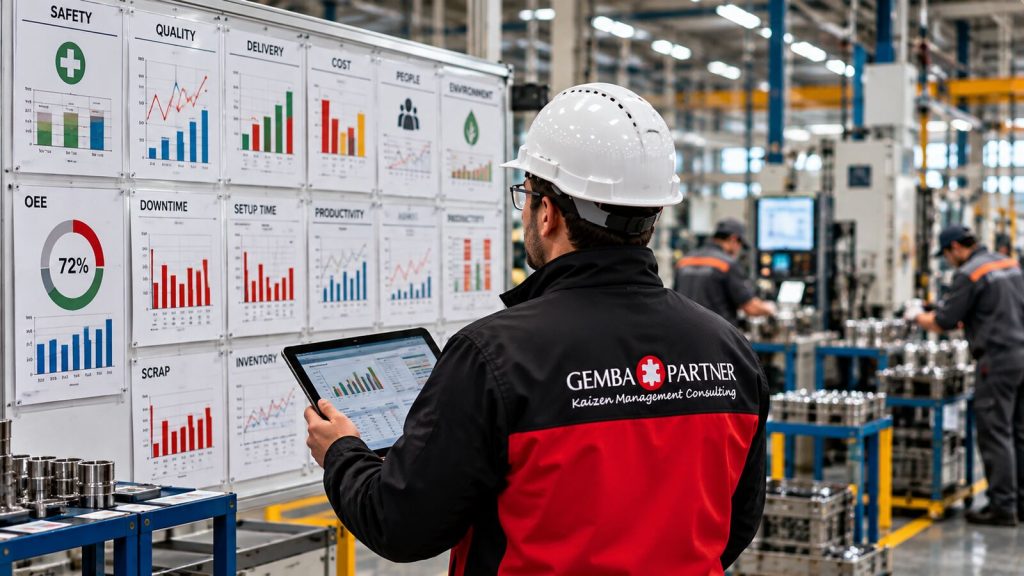
Productivity improvement is a systematic development approach that aims for businesses to produce more and higher-quality output with the same inputs by using their existing resources more effectively. This concept is not limited to increasing production volume; it also covers the balanced management of time, labor, technology and cost.
What Is Productivity Improvement?
Productivity Improvement is a systematic development approach that aims for businesses to produce more and higher-quality output with the same inputs by using their existing resources more effectively. This concept is not limited to increasing production volume; it also covers the balanced management of elements such as time, labor, technology and cost. In today’s business world, rapidly changing competitive conditions make it necessary for companies to turn this approach into a strategic priority.
A productivity focus affects all decision-making processes of businesses, from daily operations to long-term goals. By measuring processes, identifying bottlenecks and clarifying areas for improvement, companies acquire a more agile structure. This approach stands out as one of the building blocks of sustainable growth and organizational resilience.
Why Is Productivity Improvement a Critical Need?
The need for productivity in businesses becomes more critical every day because of rising costs and an intense competitive environment. Limited resources force companies to make the best use of their existing potential. At this point, productivity efforts are one of the most effective ways to raise performance while keeping costs under control.
Also, rising customer expectations and shorter delivery times require processes to run faster and without errors. Businesses that adopt a productivity-focused approach adapt more easily to changing market conditions and manage risks more effectively. This gives companies a significant competitive strength in the long term.
How Is Productivity Improvement Achieved in Businesses?
Achieving productivity in businesses requires a holistic and planned approach. First, existing processes must be analyzed in detail and performance measured. These analyses clearly reveal which areas need improvement.
Then goals are set and actionable plans are created to reach them. The use of technology, employee involvement and management support play a critical role in the success of this process. When a systematic improvement culture is established, productivity gains become permanent.
Process-Based Productivity Improvement Approaches
Process-based approaches aim to evaluate all of the company’s workflows end to end. This method focuses not only on results but on the steps that produce the results. Clarifying and simplifying processes significantly reduces time and resource losses.
Thanks to this approach, coordination between departments is strengthened and repetitive work is minimized. Process-based improvements give businesses a more predictable and controllable structure.
Productivity Gains with Process Mapping
Process mapping is an effective tool that lets workflows be laid out visually. With this method, unnecessary steps, waiting and bottlenecks in the process are easily identified.
Mapping work makes improvement opportunities concrete and creates a shared understanding among teams. This way processes become smoother and more manageable.
Standardization and Repeatability
Standardization ensures that processes are carried out within certain rules and methods. This reduces errors and makes results more predictable.
Repeatable processes increase quality while also shortening training and adaptation times. This contributes to stronger operational stability.
Strategies for Increasing Employee Productivity
Employees are among a company’s most valuable resources. Strategies aimed at increasing employee productivity positively affect team success as well as individual performance. Proper work distribution and clear goals form the basis of this process.
Also, involving employees in the process and setting up feedback mechanisms increases motivation. This approach strengthens organizational commitment.
Time Management and Workload Balance
Time management is a factor that directly affects employee performance. Distributing workload in a balanced way prevents burnout and increases focus.
Prioritization and planning habits ensure that work is completed more efficiently.
Training and Competence Development
Training is the most effective way to keep employees’ knowledge and skills current. Competence development efforts raise work quality while lowering error rates.
A culture of continuous learning increases the company’s ability to adapt to change.
Productivity Improvement with Digital Tools
Digital tools speed up business processes and make them more transparent. Using the right technologies reduces manual workload and allows human resources to be directed to more strategic areas.
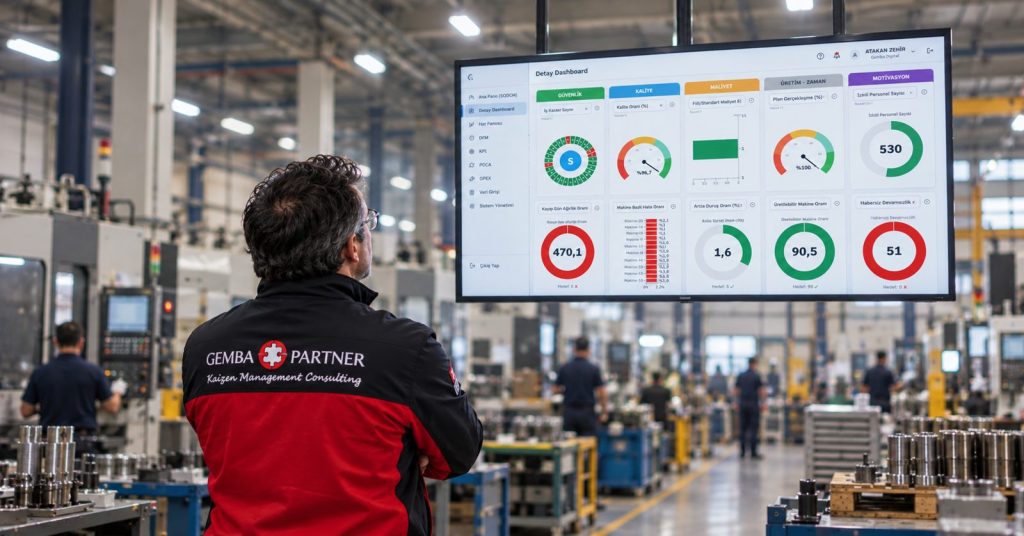
With these tools, data-driven decision-making processes are strengthened and performance is monitored more effectively.
Automation Systems
Automation systems carry out repetitive and time-consuming tasks quickly and without errors. This makes operational processes smoother.
Automation lowers costs while also improving service quality.
Performance and KPI Tracking
Performance indicators are important tools that show to what extent goals have been reached. KPI tracking ensures that processes are evaluated regularly.
This way areas for improvement are identified at an early stage.
Operational Productivity Improvement Methods
Operational productivity refers to the effectiveness of day-to-day operations. Simplifying processes and optimizing resource use are the main methods in this area.
Well-structured operations help companies maintain the balance between cost and quality.
Common Mistakes in Productivity Improvement
One of the most common mistakes made during productivity efforts is focusing only on short-term results. This approach weakens sustainability.
Also, not involving employees in the process and not establishing measurement mechanisms prevent improvements from becoming permanent.
What Does Productivity Improvement Consulting Provide?
Consulting support gives companies an objective outside perspective. Thanks to expert analyses, the root causes of problems are revealed more clearly.
This support enables the transformation process to progress in a more controlled way with a structured roadmap.
How Is Sustainable Productivity Improvement Achieved?
Sustainability is critical for the long-term success of productivity efforts. Continuous measurement and feedback mechanisms form the foundation of this process.
An understanding of improvement integrated into corporate culture produces lasting results.
Success Criteria in Productivity Improvement Efforts
Success criteria are directly related to the clarity and measurability of goals. Regular tracking and reporting allow progress to be monitored.
Also, management support and employee participation are important factors that determine success.
Who Needs Productivity Improvement Efforts?
All companies that have growth goals, experience cost pressure or face operational problems need these efforts.
Productivity-focused approaches bring great benefit especially to companies with complex processes.
Gaining Competitive Advantage with Productivity Improvement
Productivity is an important element that allows companies to differentiate in the market. Companies that can provide faster, higher-quality and lower-cost service stand out in competition.