What Is Lean Transformation? How to Start Lean Transformation in Companies
In today's business world, where competition is rising, cost pressure is increasing and customer expectations are changing rapidly, it is not enough for companies to offer a good product or service to survive. They must also be organizations that can work fast, flexibly and efficiently. At this point lean transformation has become a strategic necessity for businesses.
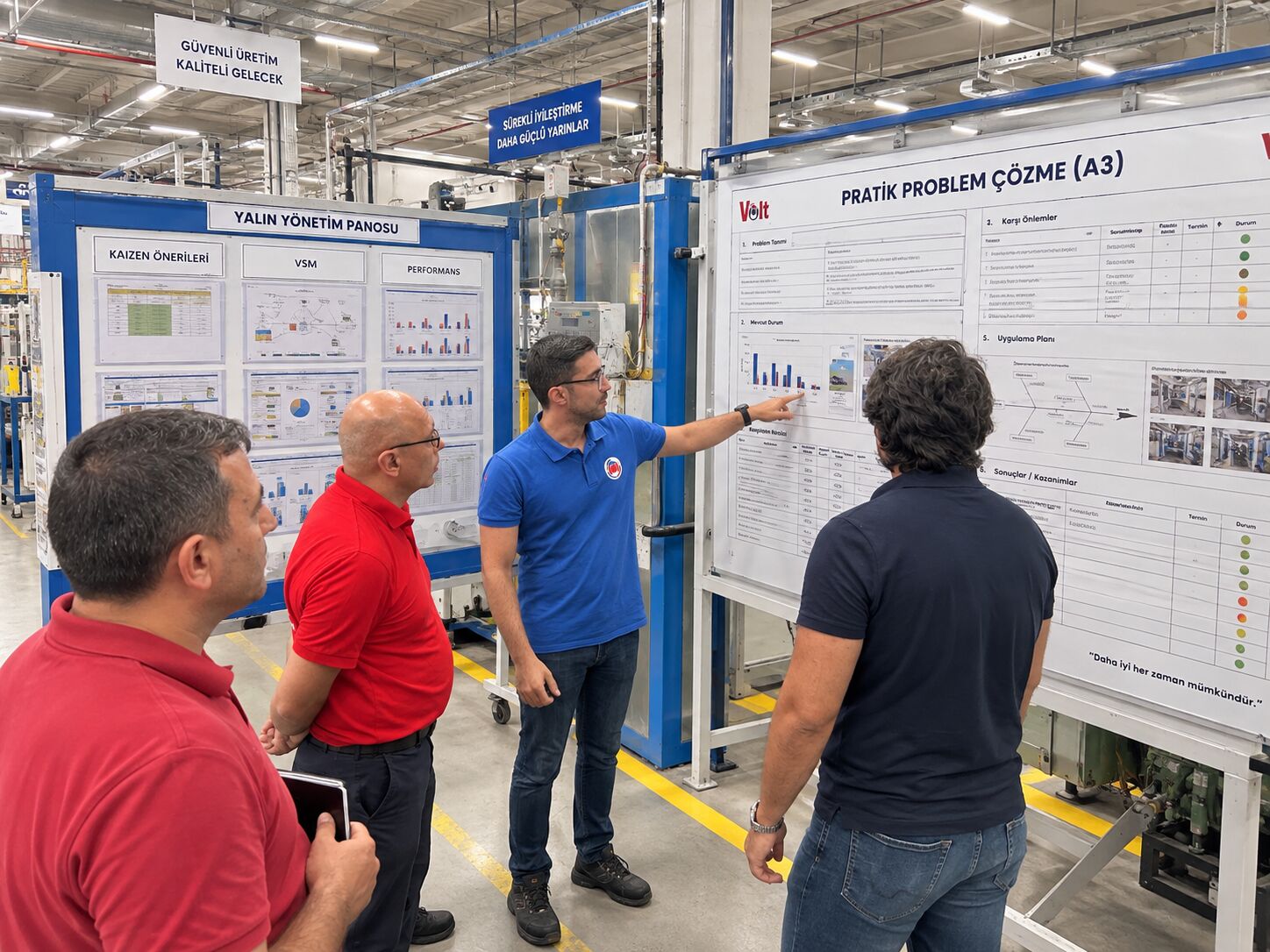
In today’s business world, where competition is rising, cost pressure is increasing and customer expectations are changing rapidly, it is not enough for companies to offer a good product or service to survive. They must also be organizations that can work fast, flexibly and efficiently. At this point lean transformation has become a strategic necessity for businesses.
Lean transformation is a holistic change journey that aims to simplify processes, eliminate waste and have employees act with a culture of continuous improvement. When it is not started correctly or is treated only as a toolset, it can fail. Therefore, as much as what lean transformation is, how to start it is also critically important.
What Is Lean Transformation?
Although the question “What is lean transformation?” is often used synonymously with lean manufacturing practices, it actually refers to a much broader concept. Lean transformation is a fundamental change that covers not only a company’s production processes but also its management approach, decision-making mechanisms and corporate culture.
Customer value is at the center of this transformation. All activities that do not add value for the customer are seen as waste and are systematically eliminated. But lean transformation is not just “doing more with fewer resources”; it aims to do the right work in the right way.
Lean transformation is not a short-term project; it is a long-term journey. Success is achieved through the accumulation of small but continuous steps.
Core Goals of Lean Transformation
The core goal of lean transformation is to create a value-focused structure in all of the company’s processes. In line with this goal, the first aim is to make waste visible and eliminate it. Waiting, unnecessary motion, excess inventory and defects can be given as examples of these types of waste.
Another important goal is to improve process flow. Lean transformation aims for work to flow without interruption and in a balanced way. This both increases productivity and shortens lead times.
Lean transformation also aims to increase employee engagement and ownership. Continuous improvement is the responsibility not only of managers but of everyone working on the shop floor.
The Difference Between Lean Transformation and Lean Manufacturing
Lean manufacturing is often confused with lean transformation. Yet lean manufacturing is only a part of lean transformation. While lean manufacturing focuses on improving processes on the production floor, lean transformation covers the whole organization.
Lean transformation affects a wide area, from office processes to managerial decisions, from performance systems to leadership approach. Therefore, improvements made only in production are not considered lean transformation in the true sense.
A successful lean transformation includes lean manufacturing practices but is not limited to them.
Why Is Lean Transformation Critical for Companies?
Companies must be more agile because of increasing competition and changing market conditions. Lean transformation is one of the strongest approaches that provide this agility. Simplifying processes directly increases decision-making speed.
Also, lean transformation aims to increase quality while lowering costs. Although these two goals often seem contradictory, the lean approach makes this balance possible.
In the long term, lean transformation provides companies with a sustainable competitive advantage. Organizations with a continuous improvement culture adapt to change faster.
What Needs to Be Done Before Starting Lean Transformation
The most important step before starting lean transformation is clarifying the intent. When lean transformation is launched solely for the purpose of cutting costs, the risk of failure is high. This journey must be owned by top management.
Correctly analyzing the current state is also a critical preparation stage. Processes, performance indicators and organizational structure should be evaluated objectively. This analysis determines where to start.
In addition, the purpose of lean transformation must be clearly explained to employees. When the reason for change is not understood, resistance becomes inevitable.
How Should Lean Transformation Be Started?
There is no single right answer to the question “How do you start lean transformation?”; but some basic principles are guiding. First, a pilot area should be selected. Instead of trying to transform the whole organization at once, it is healthier to start in a small area.
The gains achieved in this pilot area become a source of motivation for other departments. Also, the lessons learned prevent mistakes from being repeated during rollout.
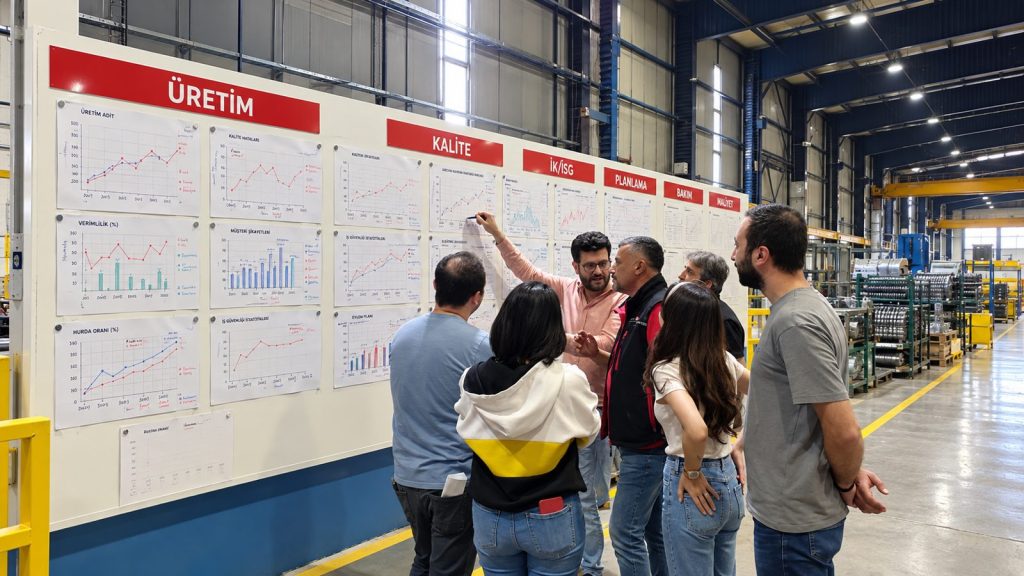
In the initial phase, lean tools such as visual management, 5S and basic problem-solving methods can be preferred. But it is necessary to focus on mindset transformation before tools.
Core Methods Used in Lean Transformation
Many methods and tools are used in the lean transformation process. Value stream mapping enables processes to be analyzed end to end. This method helps clearly see waste points.
5S prepares a solid ground for lean transformation by creating orderly and standard work areas. Visual management ensures problems are noticed instantly.
The Kaizen approach is the cornerstone of continuous improvement. Small but continuous steps make the transformation lasting.
Critical Factors for Successfully Implementing Lean Transformation
Leadership plays a critical role in the success of lean transformation. Without the active participation of top management, the transformation will not be sustainable. Leaders must be not only supporters but role models.
Another critical factor is disciplined follow-up and measurement. When the impact of improvements is not measured, the transformation remains an abstract effort.
Finally, patience and determination are required. Lean transformation does not work miracles in a short time; but when it proceeds correctly it produces lasting results.
Common Mistakes in the Lean Transformation Process
One of the most common mistakes is seeing lean transformation only as a toolset. When tools are used without the right mindset, nothing goes beyond temporary improvements.
Another mistake is neglecting employee engagement. Lean transformation is not a change imposed from top to bottom. It is essential to involve people on the shop floor in the process.
Also, the expectation of quick results is one of the biggest obstacles to transformation.
How Is Sustainability Achieved in Lean Transformation?
Sustainability is the hardest but most valuable stage of lean transformation. Standardization plays a critical role here. When improvements are not made standard, old habits return.
Regular audits, feedback mechanisms and performance tracking support sustainability. Continuous training and communication are also needed to keep the lean culture alive.
Lean transformation should be treated as a living system.
The Role of Lean Transformation Consulting and Training
Lean transformation consulting guides companies on this journey. An outside eye makes visible the problems that go unnoticed inside. But consulting does not mean delivering the solution from outside; it means producing it together with the company.
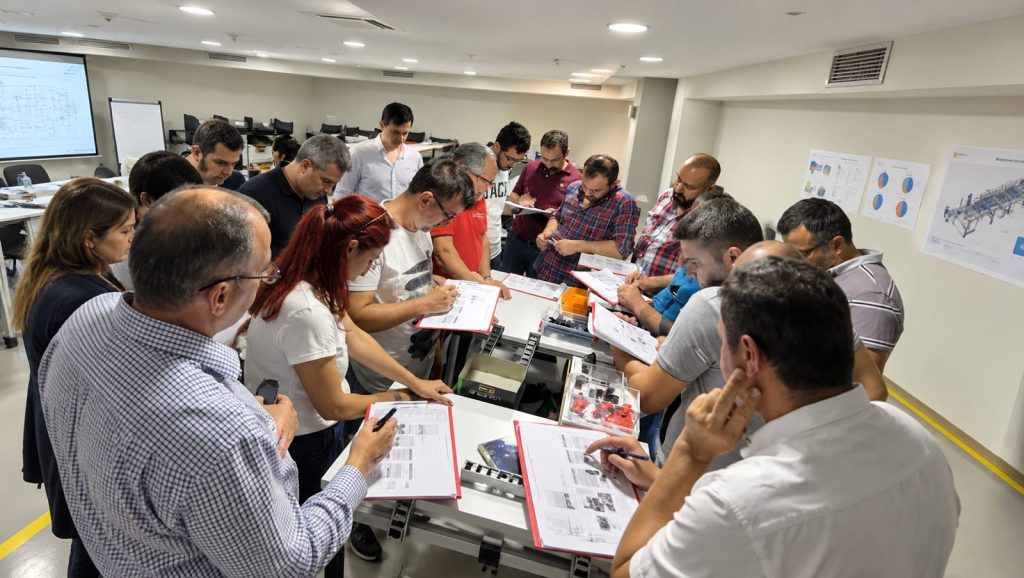
Training ensures that lean thinking is understood across the organization. Without building a common language, it is not possible for the transformation to be lasting.
Properly designed consulting and training accelerate and deepen the lean transformation process.
Starting the Lean Transformation Journey
Lean transformation begins with a decision to start; but the real value lies in the journey itself. Small steps, the right leadership and continuous learning are the cornerstones of this journey.
A small improvement step taken today can build tomorrow’s strong organization. What matters is to embrace lean transformation not as a goal but as a way of thinking.