What Is Kaizen? Kaizen Philosophy and Principles
The question "What is Kaizen?" is one of the first questions asked by many companies that encounter lean thinking. Kaizen is a concept of Japanese origin formed by combining the words kai, meaning "change," and zen, meaning "better." In its simplest form, Kaizen means continuous improvement.
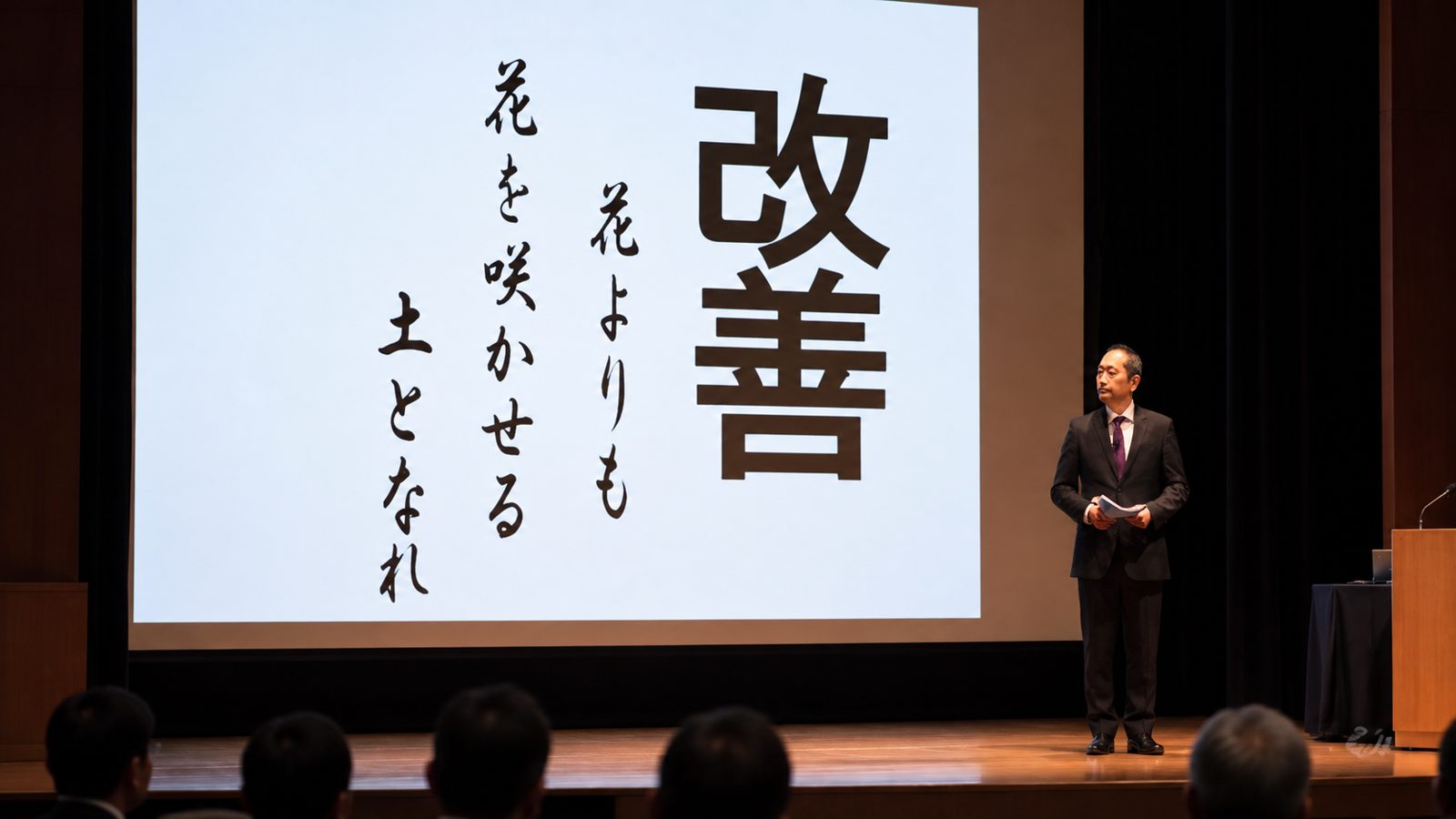
The question “What is Kaizen?” is one of the first questions asked by many companies that encounter lean thinking. Kaizen is a concept of Japanese origin formed by combining the word meaning “change,” kai and the word meaning “better,” zen together. In its simplest form, Kaizen means continuous improvement . However, this improvement is achieved not through big, sudden and radical changes but through small, systematic and sustainable steps.
The Kaizen approach aims to transform in companies not only processes but also employees’ way of thinking, problem-solving habits and team culture. Therefore Kaizen is not a project or periodic activity but a long-term management philosophy. It shows its true value when it becomes a natural part of daily ways of working.
The Origin and Core Purpose of the Kaizen Philosophy
The origin of the Kaizen philosophy goes back to Japan’s industrial restructuring after World War II. Especially with the Toyota Production System, Kaizen became one of the cornerstones of lean manufacturing. Japanese companies adopted continuous improvement as a culture in order to achieve high quality and productivity despite limited resources.
The core purpose of the Kaizen philosophy is to question the current state and always look for a better way. The question “Why is this job done this way?” is at the center of Kaizen thinking. No process is considered perfect and every process is assumed to be always open to improvement.
This approach encourages making problems visible instead of hiding them. Mistakes are seen not as failures but as learning opportunities. This way companies become more flexible, more resilient and more competitive over time.
What Are the Kaizen Principles?
The Kaizen philosophy is built on certain principles. These principles show that Kaizen is not only a technical tool but a management and culture approach.
Continuous Improvement Approach
The most fundamental principle of Kaizen is the understanding of continuous improvement. Improvement is treated not as a one-time event but as an endless journey. Taking one small step every day produces big gains in the long run.
This approach rejects the thought “this is the best.” No matter how good the current state is, better is always possible.
Employee Participation and Team Focus
Kaizen requires the participation of all employees, not only managers. The people working on the shop floor are the ones who know the process best and experience the problems first-hand. Therefore Kaizen encourages employees to generate ideas and take active part in the improvement process.
Teamwork is more prominent than individual success. Thinking together and acting together to reach shared goals is essential.
Data-Driven Decision Making
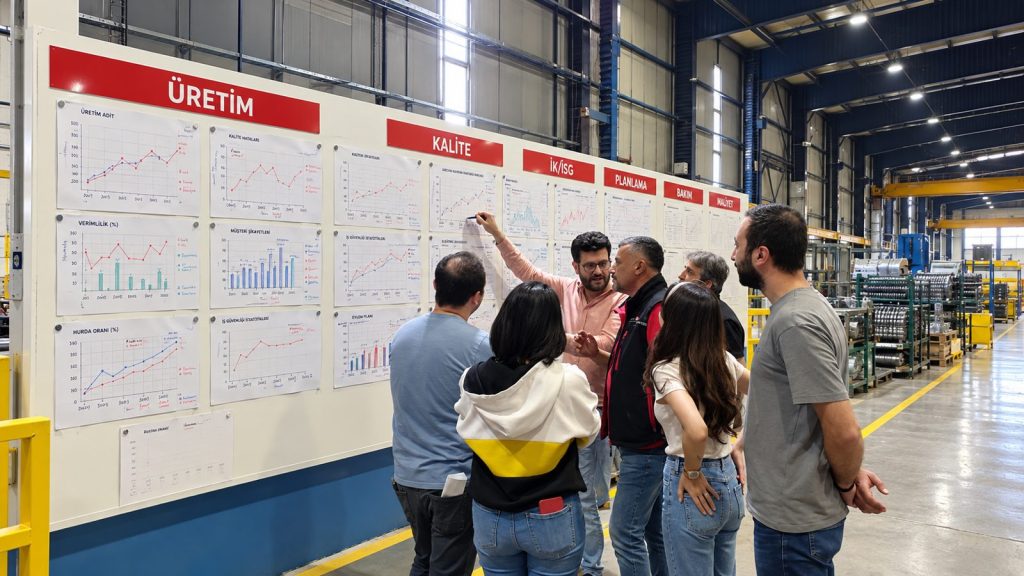
In the Kaizen approach, decisions are based on data, not assumptions. Problems are defined concretely and made measurable. This way the impact of improvement work can be tracked clearly.
A data-driven approach brings objective evaluations to the fore in place of emotional or personal interpretations.
Elimination of Waste (Muda)
One of the core goals of Kaizen is the elimination of waste. Waste is defined as any activity that does not add value for the customer. Waiting, transport, inventory, motion and defects fall within this scope.
Making waste visible is an important part of Kaizen work. Visible waste becomes improvable.
Standardization and Discipline
If improvement is to be lasting, it must be standardized. Kaizen advocates making newly developed methods standard and having everyone apply them the same way.
Discipline ensures the sustainability of these standards. Without standards, Kaizen remains a temporary effort.
Types of Kaizen: Individual, Team and Kaizen Event
Kaizen practices can be addressed in different types according to their scope and number of participants.
Individual Kaizen (Daily Kaizen)
Individual Kaizen refers to small improvements employees make in their own work areas. It is also known as daily Kaizen. This type of Kaizen consists of low-cost but high-impact ideas.
Employees asking “How can I do my job easier and better?” forms the basis of individual Kaizen.
Team Kaizen Activities
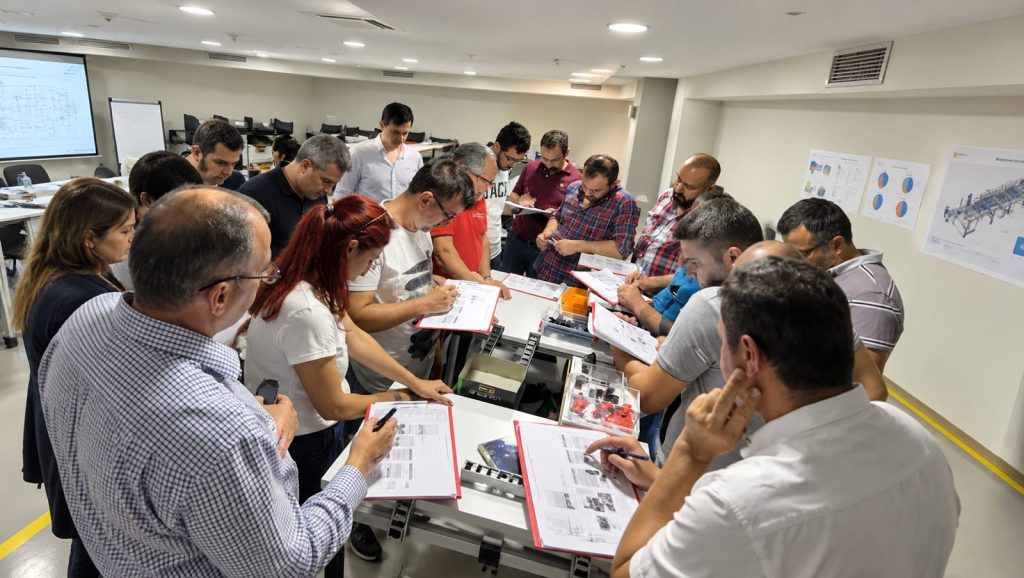
Team Kaizen activities are improvement activities in which a specific process or problem is addressed as a team. Bringing different perspectives together enables stronger solutions to be produced.
These activities are usually planned for a specific time period and proceed with a focus on results.
Kaizen Event / Kaizen Blitz Structure
A Kaizen Event or Kaizen Blitz refers to short, intensive improvement work. In these events, which usually last 3–5 days, a specific problem is addressed quickly and concrete results are achieved.
This structure is an effective method for achieving quick wins and spreading Kaizen culture.
How Is Kaizen Implemented? (Step-by-Step Process)
Kaizen implementation requires a systematic problem-solving approach. Improvements made at random do not produce sustainable results.
Current State Analysis
The first step is to clearly understand the current state. Processes are observed, data is collected and current performance is revealed. This analysis forms a solid basis for improvement.
Defining the Problem
In Kaizen, problem definition is extremely critical. Problems that are vaguely or wrongly defined lead to wrong solutions. The problem is clarified with the questions what, where, when and how often.
Root Cause Analysis (5W1H – 5 Whys – Ishikawa)
One is not content with the apparent cause of the problem; the aim is to get to the root cause. Tools such as 5 Whys and the fishbone (Ishikawa) diagram are used at this stage.
Improvements made without finding the root cause are temporary.
Generating Improvement Ideas
After the root cause is determined, solution ideas are generated. Employee participation is of great importance at this stage. Alternative solutions are evaluated with brainstorming and teamwork.
Pilot Implementation and Measuring Results
The selected improvement ideas are implemented as a pilot. The results obtained are measured and it is evaluated whether the expected impact was achieved.
Standardization and Making It Permanent
Successful practices are made standard. Improvement is made permanent through documentation, training and visual standards.
Tools Used in Kaizen Practices
Many lean tools are used in Kaizen work. These tools make the problem-solving and improvement process systematic.
The 5S Method
The 5S method is one of the most frequently used tools in Kaizen practices. Orderly and standard work areas make problems easier to notice.
5S creates a strong foundation for Kaizen and supports a sustainable improvement culture.