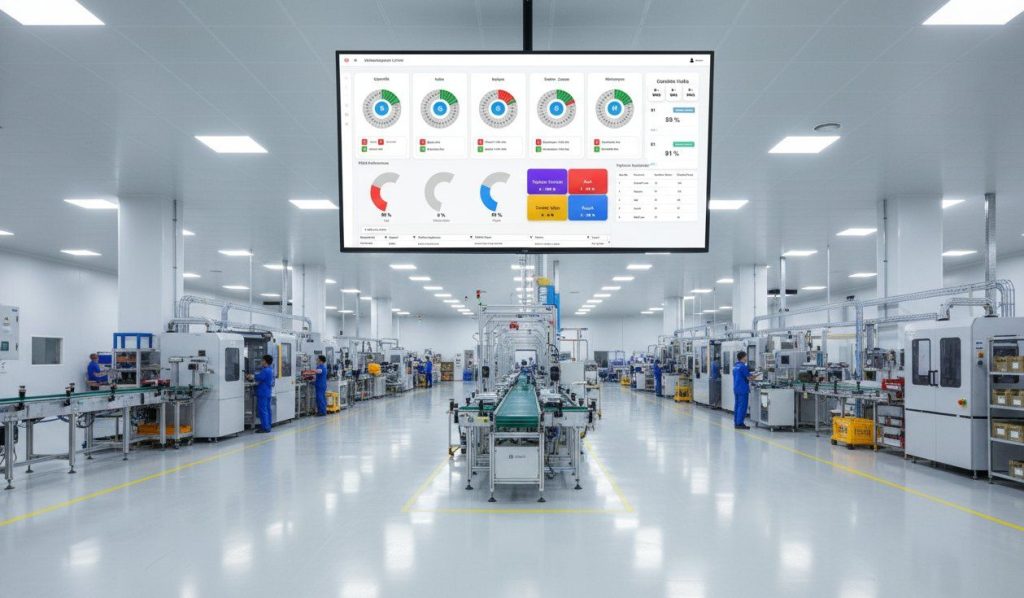
Digital Transformation in Companies Without a Lean Culture

Can Companies Without a Lean Culture Succeed in Digital Transformation?
Whether companies without a lean production culture can succeed in digital transformation depends on the company’s approach and how it handles the digital transformation process. However, it is fair to say that having a lean production culture provides great advantages in digital transformation. There is a strong synergy between these two concepts. A lean production culture lays an important foundation for the success of digital transformation, because both approaches focus on preventing waste, increasing efficiency and continuous improvement.
Why Does a Lean Production Culture Give an Advantage in Digital Transformation?
1. Process-Oriented Approach
Lean production is built on improving and standardizing work processes. Digital transformation is also fundamentally about optimizing processes and improving them with digital technologies. Companies with a lean production culture are already improvement-focused, so they have an advantage in making their existing processes more efficient with digital solutions. For example, since processes have already been made efficient through lean production, adding digital technologies produces results faster.
2. Efficiency and a Waste-Reduction Mindset
Digital transformation offers technological solutions to increase operational efficiency and use resources more effectively. Companies without a lean production culture may struggle to identify and reduce waste. Companies with a lean production culture, on the other hand, already have the ability to recognize and eliminate waste, so they can easily integrate digital solutions toward this goal. This accelerates the efficiency-boosting effect of digitalization.
3. A Culture of Continuous Improvement (Kaizen)
Lean production works with a philosophy of continuous improvement. The same approach applies in digital transformation, because digital transformation is not a one-off project but a process requiring continuous development. Companies with a lean production culture can quickly recognize the opportunities digitalization offers and integrate them into their continuous improvement processes.
4. Employee Engagement and Openness to Change
Digital transformation largely involves changes within the organization and employees’ adaptation to those changes. Companies with a lean production culture encourage employees to take part in process improvements, which helps employees adapt to new technologies faster during digital transformation. In a lean culture, employees are open to change and part of the process, so adopting digital solutions can be easier.
5. Data-Driven Decision Making
Lean production adopts an approach that supports data-based decision making. Digital transformation also takes data-driven decision processes to more advanced levels, enabling companies to make faster and more accurate decisions. Companies without a lean production culture may succeed in collecting data with digital technologies, but they may not know how to use this data and integrate it into their processes.
Why Might Companies Without a Lean Production Culture Struggle in Digital Transformation?
Companies without a lean production culture may face some difficulties in digital transformation:
- Processes Close to Chaos: Digital transformation aims to make irregular or inefficient processes more effective. However, in a non-lean structure, the complexity and unnecessary elements of processes can make it difficult to integrate technology into them. In this case, the expected benefits of digital transformation may not materialize.
- Resistance to Change: In a non-lean culture, employees may be more resistant to changes and innovations. Digital transformation usually brings major cultural changes with it, so employees’ adaptation and motivation during this process are critical factors.
- Lack of Data-Driven Thinking: Since non-lean companies are not used to process improvement and data-driven decision making, they may not be able to use the data analytics tools that digital transformation provides effectively.
- Failure to Recognize Waste: In a non-lean culture, waste is often overlooked. In digital transformation, if technologies that will deliver efficiency are not integrated into properly defined processes, investments in technology may end up without results.
A lean production culture offers companies great advantages in the digital transformation process. However, companies without a lean production culture can also succeed in digital transformation, although this success usually requires a longer process. For these companies, focusing more on lean production principles during digital transformation can be a critical strategy for achieving successful results. In other words, a lean production culture can accelerate the success of digital transformation, but it is possible to succeed without it too — the process may just be more complex and challenging.