What Is Cost Reduction? Effective Cost Reduction Strategies for Businesses
What is cost reduction? Cost reduction is a strategic management approach aimed at systematically lowering a company's expenses by using its existing resources more efficiently. This concept does not mean merely cutting spending; it also aims to build a healthier financial structure by improving processes, eliminating waste and removing non-value-adding activities.
What Is Cost Reduction?
Cost reductionis a strategic management approach aimed at systematically lowering a company’s expenses by using its existing resources more efficiently. This concept does not mean merely cutting spending; it also aims to build a healthier financial structure by improving processes, eliminating waste and removing non-value-adding activities. When applied correctly, it increases the company’s competitiveness and contributes to long-term sustainability.
In today’s volatile economic conditions, cost reduction efforts have stopped being a short-term reflex and become a strategic necessity. Increases in items such as energy, labor, raw materials and logistics push companies toward more disciplined cost management. At this point, cost reduction should be treated not only as the finance department’s job but as the shared responsibility of the entire organization, from production to operations, from purchasing to management.
Why Is Cost Reduction Critical for Businesses?
For companies, cost reduction in businessesis one of the most important factors directly affecting profitability. Increasing sales is not always possible; but reducing costs through the right analyses is often within the company’s control. This way a higher profit can be made with the same revenue and financial resilience is strengthened.
Also, companies that manage their costs effectively can act more flexibly in price competition. Firms that can take quick action in the face of market uncertainty get through crisis periods with less damage than their competitors. Therefore cost reduction efforts are a strategic tool that secures not only today but also the future.
The Difference Between Cost Reduction and Lowering Quality
Cost reduction is often confused with lowering quality. Yet at the foundation of effective cost management is achieving efficiency while maintaining or even increasing quality. Although lowering quality seems to reduce costs in the short term, in the long term it causes loss of customers, damage to brand value and additional correction costs.
A true cost reduction approach eliminates unnecessary steps, simplifies processes and aims to prevent errors from the very beginning. This way both costs are kept under control and customer satisfaction is maintained. Making this distinction correctly is critical for sustainable success.
The Most Common Cost Types in Businesses
To manage costs effectively in a business, one must first define the cost types correctly. Each cost item requires a different approach and analysis method. This awareness makes it easier to develop the right strategies.
Fixed Costs
Fixed costs are expenses incurred regardless of production or sales volume. Items such as rent, executive salaries and insurance fall into this group. Although these costs are hard to reduce in the short term, they can be optimized with long-term planning and restructuring.
Variable Costs
Variable costs are expenses that rise or fall depending on production volume. Raw materials, energy and direct labor are in this group. Analysis of variable costs is especially important in efforts for cost reduction in production .
Hidden and Invisible Costs
Factors such as errors, rework, waiting times and low productivity make up hidden costs. Most companies are not aware of these costs; yet they have a serious impact on total costs.
What Are Cost Reduction Strategies?
Effective cost reduction strategiesvary according to the company’s structure and field of activity. But the main aim is always the same: producing more value with fewer resources. When these strategies are handled with a holistic perspective, they deliver lasting results.
Process Improvement-Focused Cost Reduction
Process improvement aims to eliminate unnecessary steps in workflows. Through standardization and simplification, errors decrease and time and resource losses are prevented. This approach lowers costs while increasing operational efficiency.
Lean Manufacturing and Waste Reduction Approach
The lean manufacturing cost reduction perspective defines all activities that do not add value for the customer as waste. Excess inventory, unnecessary transport and waiting times are handled in this scope. Reducing waste provides a direct cost advantage.
Cost Reduction with Technology and Digitalization
Digitalization speeds up data collection and analysis, enabling more accurate decisions. Automation systems reduce human error while increasing labor productivity. This creates significant cost savings in the long run.
Cost Reduction Methods in Production
To lower costs in production, productivity, quality and planning must be handled together. Reducing machine downtime, correct production planning and standard work practices keep costs under control. Supplier management and raw material optimization also play a critical role.
How Is Operational Cost Reduction Done?
Operational cost reductionaims to eliminate unnecessary spending in day-to-day operations. Even small improvements in logistics, maintenance, energy and administrative processes can add up to large savings. Therefore operations should be reviewed regularly.
Using Data and Analysis in the Cost Reduction Process
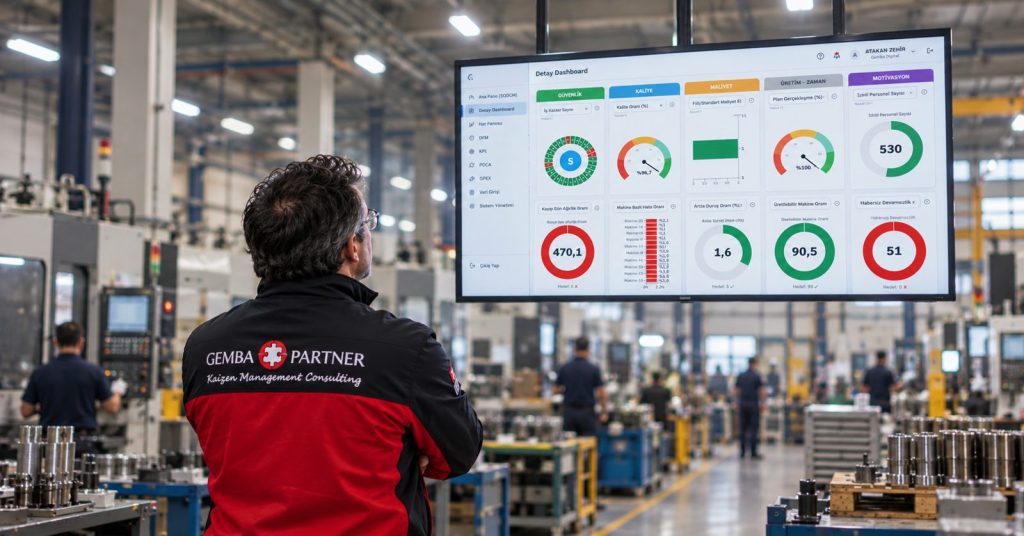
Data-driven decisions determine the success of cost reduction efforts. Performance should be monitored with the right KPIs and deviations analyzed quickly. This approach makes evidence-based rather than intuitive improvements possible.
Common Mistakes in Cost Reduction Projects
The most common mistake is seeing cost reduction as a short-term campaign. Not involving employees in the process and keeping communication weak also lead to failure. Also, approaches that ignore quality create higher costs in the long run.
A Roadmap for Sustainable Cost Reduction
For sustainability, clear goals should be set, responsibilities defined and results measured regularly. Lasting success is not possible without building a continuous improvement culture. This roadmap should be embraced at all levels of the company.
What Does Cost Reduction Consulting Provide?
Analyses done with an outside eye reveal opportunities the company cannot notice from within. Expert support ensures the right methods are applied quickly and minimizes risks. This way cost reduction projects deliver results in a shorter time.
Which Companies Are Cost Reduction Efforts Suitable For?
Cost reduction efforts are in fact suitable for all companies. They are especially advantageous for firms with growth targets, whose profit margins are under pressure or that operate in highly competitive sectors.
How Is Success Measured in Cost Reduction Efforts?
Success should be evaluated not only by falling costs but together with increased productivity, improved quality and employee satisfaction. Regular reporting and measurement ensure that the gains achieved become permanent.