
What Are Digital Field Management Programs?
What are digital field management programs? The transformation that digitalization has created in the world of production and operations has also radically changed field management processes. Field tracking carried out with traditional methods, manual reporting and verbal feedback are in terms of speed, transparency and sustainability
What Are Digital Field Management Programs?
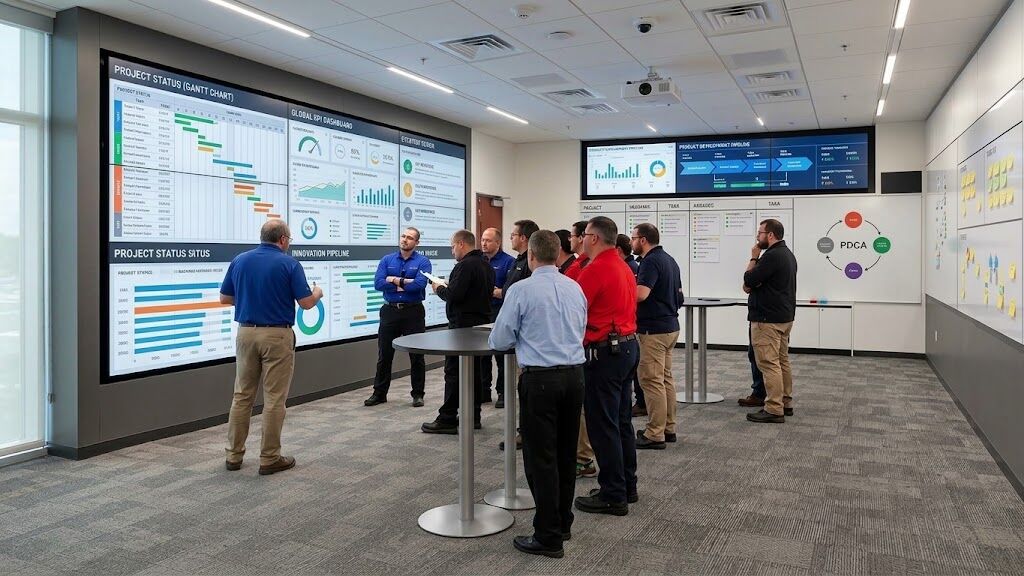
The transformation that digitalization has created in the world of production and operations has also radically changed field management processes. Field tracking carried out with traditional methods, manual reporting and verbal feedback are no longer sufficient in terms of speed, transparency and sustainability. At this point, digital field management programs enable businesses to see the real situation on the floor in real time and make data-driven decisions.
Problems that occur especially in production, maintenance, quality and operations areas are often visible on the floor but do not reach the management layer correctly. Digital field management eliminates this disconnect and creates a single, accurate data flow from the floor to management. Aligned with the gemba philosophy, this approach makes what happens “where the work is done” visible through digital tools.
What Does Digital Field Management Mean?
Digital field management means planning, monitoring and analyzing all operational activities carried out on the floor through digital platforms. This approach is not only about using software; it also refers to the transformation of field culture, communication styles and problem-solving habits.
Daily checks, inspections, task assignments and performance tracking of field teams are standardized in a digital environment. Thus, instead of person-dependent practices, a system emerges that speaks the same language for everyone. Thanks to digital field management, field data can be tracked retrospectively, trends can be analyzed and root causes can be reached faster.
This approach allows managers to follow the process effectively from a distance without losing touch with the floor. Paper forms, delayed reports and missing information give way to real-time, verifiable and measurable data.
What Are Digital Field Management Programs Used For?
Digital field management programs ensure that activities carried out on the floor are managed systematically and transparently. Daily field rounds, checklists, nonconformity records and action tracking are run on a single platform. This makes field management proactive rather than reactive.
The programs prevent problems identified on the floor from getting lost. Every finding is recorded in the system, owners are assigned and completion status is tracked. This structure supports a culture of continuous improvement while also strengthening managerial control.
Digital solutions also standardize communication between field teams. Everyone having access to the same data reduces misunderstandings and speeds up decision-making. This way, a field management system becomes not just a tracking tool but a core component of operational excellence.
Which Businesses Need Digital Field Management Programs?
Digital field management programs are suitable not only for large-scale production facilities but for all businesses that run operations on the floor. Production facilities, logistics centers, maintenance and repair teams and any organization with quality control processes can benefit from these solutions.
Digital field management is a critical need especially for businesses that work in multiple shifts, have multiple locations or struggle to measure field performance. If problems on the floor are noticed late or the same problems keep recurring, this points to a lack of system.
Small and medium-sized businesses can also standardize their processes through digital field management. A properly designed system provides disciplined field management regardless of scale and reduces operational obstacles to growth.
Key Features of Digital Field Management Programs
The most basic feature of digital field management programs is the ability to collect real-time data from the floor. Thanks to mobile-friendly structures, field teams can enter their findings into the system instantly. Records are enriched with additional information such as photos, notes and location.
Another important feature is action and task management. For every problem identified, an owner can be assigned, a deadline set and progress tracked. This structure prevents issues from being “forgotten” or “postponed” on the floor.
Reporting and analysis capabilities are also an integral part of digital field management. Management teams can monitor field performance with numerical indicators. This way, decisions rest on data rather than intuition, and the field management development system is continuously fed.
Benefits of Digital Field Management
Digital field management first of all gives businesses visibility. When it is clear what is happening on the floor, response time to problems shortens significantly. This directly affects quality, efficiency and safety performance.
Defining standards digitally ensures consistency in field practices. Differences in practice that may arise between teams and shifts are minimized. This forms the foundation of operational stability.
Employee engagement also increases significantly. As field teams see that the data they enter is tracked and action is taken, they become part of the process. This culture paves the way for sustainable improvement.
The Relationship Between Digital Field Management and Lean Production
The core principle of lean production is eliminating non-value-adding activities. Digital field management makes this principle concrete on the floor. Waste points, recurring problems and non-standard practices become clearly visible through digital data.
Gemba walks are one of the important tools of lean production. Digital solutions make these walks systematic and traceable. This way, problems seen on the floor are not only identified but also brought to resolution.
Digital field management supports the continuity of lean culture. Improvement activities stop depending on individuals and become institutional memory. This is a critical step for long-term operational excellence.
What to Consider When Choosing a Digital Field Management Program?
When choosing a digital field management program, the business’s field structure and needs should first be clearly analyzed. Not every software solves every problem. Flexibility and customizability are very important here.
User-friendly interfaces make it easier for field teams to adopt the system. Complex, hard-to-use solutions can create a new burden instead of digitalization. Therefore, feedback from field employees should be taken into account.
Integration capability should also be considered. Solutions that work compatibly with existing systems preserve data integrity and strengthen the digital ecosystem.
Why Is Digital Field Management Not Just Software?
Digital field management should not be seen as a technology investment alone. The real transformation happens when field culture and management mindset change. Software is merely the instrument of this transformation.
If field management is not owned by top management, even the most advanced systems cannot deliver the expected benefit. Digitalization requires disciplined use and continuous follow-up.
Therefore, digital field management should be approached as a strategic management approach. When processes, roles and responsibilities are clarified, technology shows its true value.
How Does Gemba Partner Approach Digital Field Management?
Gemba Partner approaches digital field management together with lean thinking and a culture of continuous improvement. It aims to make real problems on the floor visible through digital tools.
The approach is not limited to software installation. Process design, field habits and management rhythms are addressed together. This way digital solutions integrate into the floor and become a natural part of daily work.
Gemba Partner delivers a sustainable digital transformation by developing solutions suited to each business’s own field maturity level.
Frequently Asked Questions About Digital Field Management
How long does it take to implement digital field management?
The implementation time of digital field management depends on the business’s current process maturity. In simple field structures the system can be put into operation within a few weeks. In more complex structures, a phased transition is preferred.
Is it suitable for small-scale businesses?
Yes, it is also suitable for small-scale businesses. Properly designed digital field management enables small teams to work in a more disciplined and efficient way. As the scale grows, the system continues to evolve.
Can it be integrated with existing ERP or MES systems?
Most digital field management programs can work integrated with ERP and MES systems. This integration makes it possible to evaluate field data together with other operational data.
Problems that occur especially in production, maintenance, quality and operations areas are often visible on the floor but do not reach the management layer correctly. Digital field management eliminates this disconnect and creates a single, accurate data flow from the floor to management. Aligned with the gemba philosophy, this approach makes what happens “where the work is done” visible through digital tools.
What Does Digital Field Management Mean?
Digital field management means planning, monitoring and analyzing all operational activities carried out on the floor through digital platforms. This approach is not only about using software; it also refers to the transformation of field culture, communication styles and problem-solving habits.
Daily checks, inspections, task assignments and performance tracking of field teams are standardized in a digital environment. Thus, instead of person-dependent practices, a system emerges that speaks the same language for everyone. Thanks to digital field management, field data can be tracked retrospectively, trends can be analyzed and root causes can be reached faster.
This approach allows managers to follow the process effectively from a distance without losing touch with the floor. Paper forms, delayed reports and missing information give way to real-time, verifiable and measurable data.
What Are Digital Field Management Programs Used For?
Digital field management programs ensure that activities carried out on the floor are managed systematically and transparently. Daily field rounds, checklists, nonconformity records and action tracking are run on a single platform. This makes field management proactive rather than reactive.
The programs prevent problems identified on the floor from getting lost. Every finding is recorded in the system, owners are assigned and completion status is tracked. This structure supports a culture of continuous improvement while also strengthening managerial control.
Digital solutions also standardize communication between field teams. Everyone having access to the same data reduces misunderstandings and speeds up decision-making. This way, a field management system becomes not just a tracking tool but a core component of operational excellence.
Which Businesses Need Digital Field Management Programs?
Digital field management programs are suitable not only for large-scale production facilities but for all businesses that run operations on the floor. Production facilities, logistics centers, maintenance and repair teams and any organization with quality control processes can benefit from these solutions.
Digital field management is a critical need especially for businesses that work in multiple shifts, have multiple locations or struggle to measure field performance. If problems on the floor are noticed late or the same problems keep recurring, this points to a lack of system.
Small and medium-sized businesses can also standardize their processes through digital field management. A properly designed system provides disciplined field management regardless of scale and reduces operational obstacles to growth.
Key Features of Digital Field Management Programs
The most basic feature of digital field management programs is the ability to collect real-time data from the floor. Thanks to mobile-friendly structures, field teams can enter their findings into the system instantly. Records are enriched with additional information such as photos, notes and location.
Another important feature is action and task management. For every problem identified, an owner can be assigned, a deadline set and progress tracked. This structure prevents issues from being “forgotten” or “postponed” on the floor.
Reporting and analysis capabilities are also an integral part of digital field management. Management teams can monitor field performance with numerical indicators. This way, decisions rest on data rather than intuition, and the field management development system is continuously fed.
Benefits of Digital Field Management
Digital field management first of all gives businesses visibility. When it is clear what is happening on the floor, response time to problems shortens significantly. This directly affects quality, efficiency and safety performance.
Defining standards digitally ensures consistency in field practices. Differences in practice that may arise between teams and shifts are minimized. This forms the foundation of operational stability.
Employee engagement also increases significantly. As field teams see that the data they enter is tracked and action is taken, they become part of the process. This culture paves the way for sustainable improvement.
The Relationship Between Digital Field Management and Lean Production
The core principle of lean production is eliminating non-value-adding activities. Digital field management makes this principle concrete on the floor. Waste points, recurring problems and non-standard practices become clearly visible through digital data.
Gemba walks are one of the important tools of lean production. Digital solutions make these walks systematic and traceable. This way, problems seen on the floor are not only identified but also brought to resolution.
Digital field management supports the continuity of lean culture. Improvement activities stop depending on individuals and become institutional memory. This is a critical step for long-term operational excellence.
What to Consider When Choosing a Digital Field Management Program?
When choosing a digital field management program, the business’s field structure and needs should first be clearly analyzed. Not every software solves every problem. Flexibility and customizability are very important here.
User-friendly interfaces make it easier for field teams to adopt the system. Complex, hard-to-use solutions can create a new burden instead of digitalization. Therefore, feedback from field employees should be taken into account.
Integration capability should also be considered. Solutions that work compatibly with existing systems preserve data integrity and strengthen the digital ecosystem.
Why Is Digital Field Management Not Just Software?
Digital field management should not be seen as a technology investment alone. The real transformation happens when field culture and management mindset change. Software is merely the instrument of this transformation.
If field management is not owned by top management, even the most advanced systems cannot deliver the expected benefit. Digitalization requires disciplined use and continuous follow-up.
Therefore, digital field management should be approached as a strategic management approach. When processes, roles and responsibilities are clarified, technology shows its true value.
How Does Gemba Partner Approach Digital Field Management?
Gemba Partner approaches digital field management together with lean thinking and a culture of continuous improvement. It aims to make real problems on the floor visible through digital tools.
The approach is not limited to software installation. Process design, field habits and management rhythms are addressed together. This way digital solutions integrate into the floor and become a natural part of daily work.
Gemba Partner delivers a sustainable digital transformation by developing solutions suited to each business’s own field maturity level.
Frequently Asked Questions About Digital Field Management
How long does it take to implement digital field management?
The implementation time of digital field management depends on the business’s current process maturity. In simple field structures the system can be put into operation within a few weeks. In more complex structures, a phased transition is preferred.
Is it suitable for small-scale businesses?
Yes, it is also suitable for small-scale businesses. Properly designed digital field management enables small teams to work in a more disciplined and efficient way. As the scale grows, the system continues to evolve.
Can it be integrated with existing ERP or MES systems?
Most digital field management programs can work integrated with ERP and MES systems. This integration makes it possible to evaluate field data together with other operational data.