Kaizen and Lean Manufacturing in Industry 4.0
The combination of lean manufacturing and digital transformation is the key to achieving operational excellence in the Industry 4.0 era. Collecting instant data with tools such as digital shop floor management (DSFM) addresses losses at their root, accelerates the kaizen culture and increases business agility. These two philosophies reinforce each other and make a difference in productivity.
Why Should Lean Manufacturing and Digital Transformation Be Considered Together?
Two major paradigms underpin a company’s ability to remain competitive today: lean manufacturing and digital transformation. The right integration of these two concepts is the driving force that carries companies into the Industry 4.0 era.
Operational excellence (OPEX) is an approach to continuously and systematically improving a company’s safety, quality, cost and delivery performance. Lean manufacturing is one of the strongest building blocks of OPEX; digital transformation is the toolset that accelerates this journey. For companies aiming for operational excellence, the two should be considered together.
What Is Lean Manufacturing?
Lean manufacturing is a systematic management philosophy that aims to minimize waste (muda) and maximize the processes that add value for the customer. Originating from the Toyota Production System, lean thinking is not just a set of production techniques; it is a mindset transformation based on a culture of continuous improvement (kaizen) and respect throughout the entire organization. The main goal is to deliver the highest quality at the lowest cost and in the shortest lead time.
What Is Digital Transformation?
Digital transformation is the process of an organization redesigning its core business processes, business models and culture using new digital technologies (IoT, artificial intelligence, cloud computing). The aim is to increase operational efficiency, create new revenue streams and improve customer experience. In manufacturing specifically, digital transformation means maximizing transparency and agility through data-driven decision-making and integration between systems.
Lean Tools Get Stronger with Digitalization
Lean manufacturing and digital transformation are not rivals but complements. Digital tools solve the biggest challenge of the lean philosophy: the speed and reliability of data collection and analysis.
Data Quality and Speed of Improvement
In traditional lean practice, data collection (for example downtime, scrap records) was manual and time-consuming. This caused data to become outdated and problem solving to slow down. With digital transformation:
Real-time data: Thanks to IoT and automation, instant and accurate data is collected from machines. This makes critical lean metrics such as OEE (Overall Equipment Effectiveness) available at any moment.
Accurate addressing of losses: Digital analysis tools process large datasets and trace the losses (wastes) that lean targets to their root cause much more precisely and quickly.
Accelerated kaizen processes: Problem detection based on instant and accurate data shortens improvement cycles. Teams spend their time on action management and creating solutions instead of collecting data.
The Impact of Digital Shop Floor Management (DSFM) on Kaizen Culture
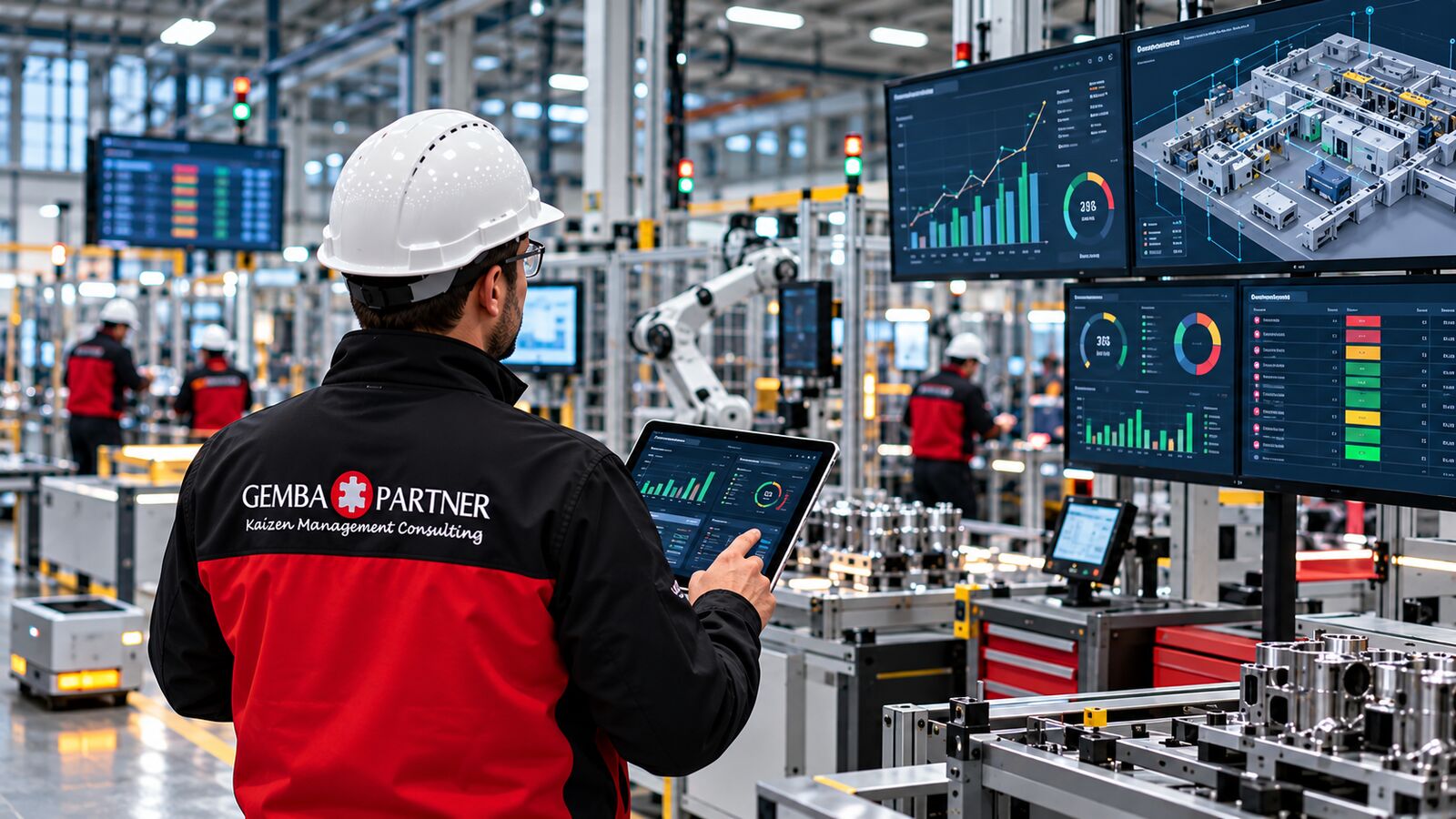
Digital shop floor management (DSFM) software is a concrete example of the integration of lean and digital. These tools transform the culture on the shop floor:
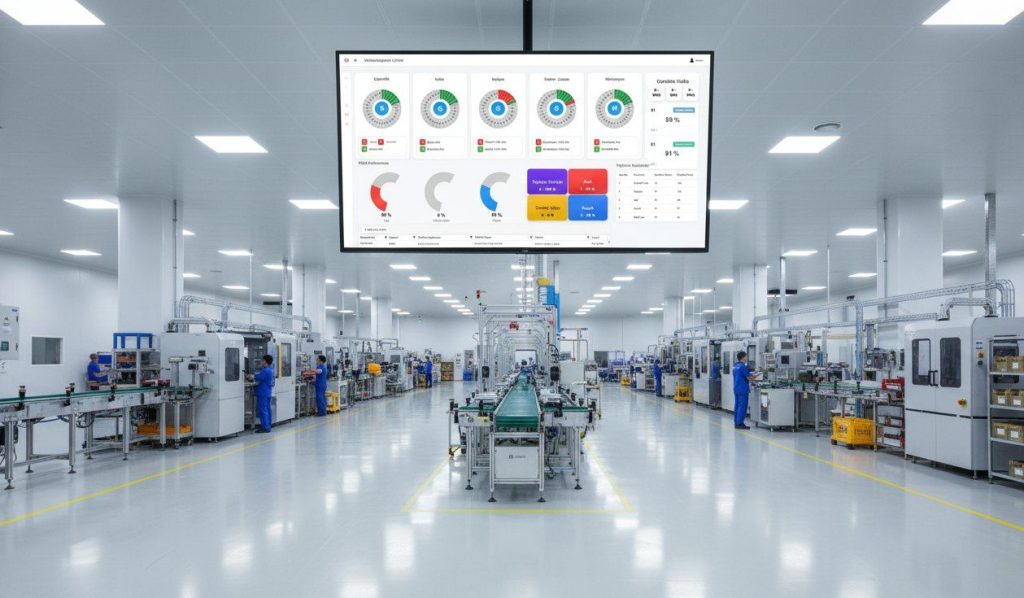
Makes visual management dynamic: Digital boards show current performance and deviations instantly with color codes. This increases transparency at the Gemba and ensures everyone sees the same accurate information at the same time.
Supports lean leadership: DSFM allows managers to follow not only results but also processes and problem-solving steps. Because action management is digitized, no problem is left hanging.
Ensures continuity of culture: Digital systems record successful kaizen practices and standards. Even new employees can easily learn from past knowledge. To try this approach on your shop floor, see Gemba Digital digital shop floor management solutions.
Stronger Together: 5 Key Benefits
While digital adds speed and precision to lean, lean adds focus and meaning to digital. The combination of these two forces strengthens the business in five areas:
Reduced error rates: With automatic data collection and analysis, losses are detected instantly and permanent solutions accelerate.
Faster decision-making: Real-time data from the Gemba enables lean leaders to take accurate and rapid action.
Increased agility: Digitalized processes provide the ability to respond more flexibly to market changes and customer demands.
Quality of standardization: Best practices and kaizen results are digitally standardized and become sustainable.
Cost leadership: Costs are optimized thanks to less waste, higher OEE and faster delivery times.
Conclusion
In the complex world of Industry 4.0, the most agile and competitive companies will be those that combine the mindset of lean with the speed of digital. To get support on your lean transformation journey, see our lean manufacturing consulting service, or contact us.