What Is Management Consulting?
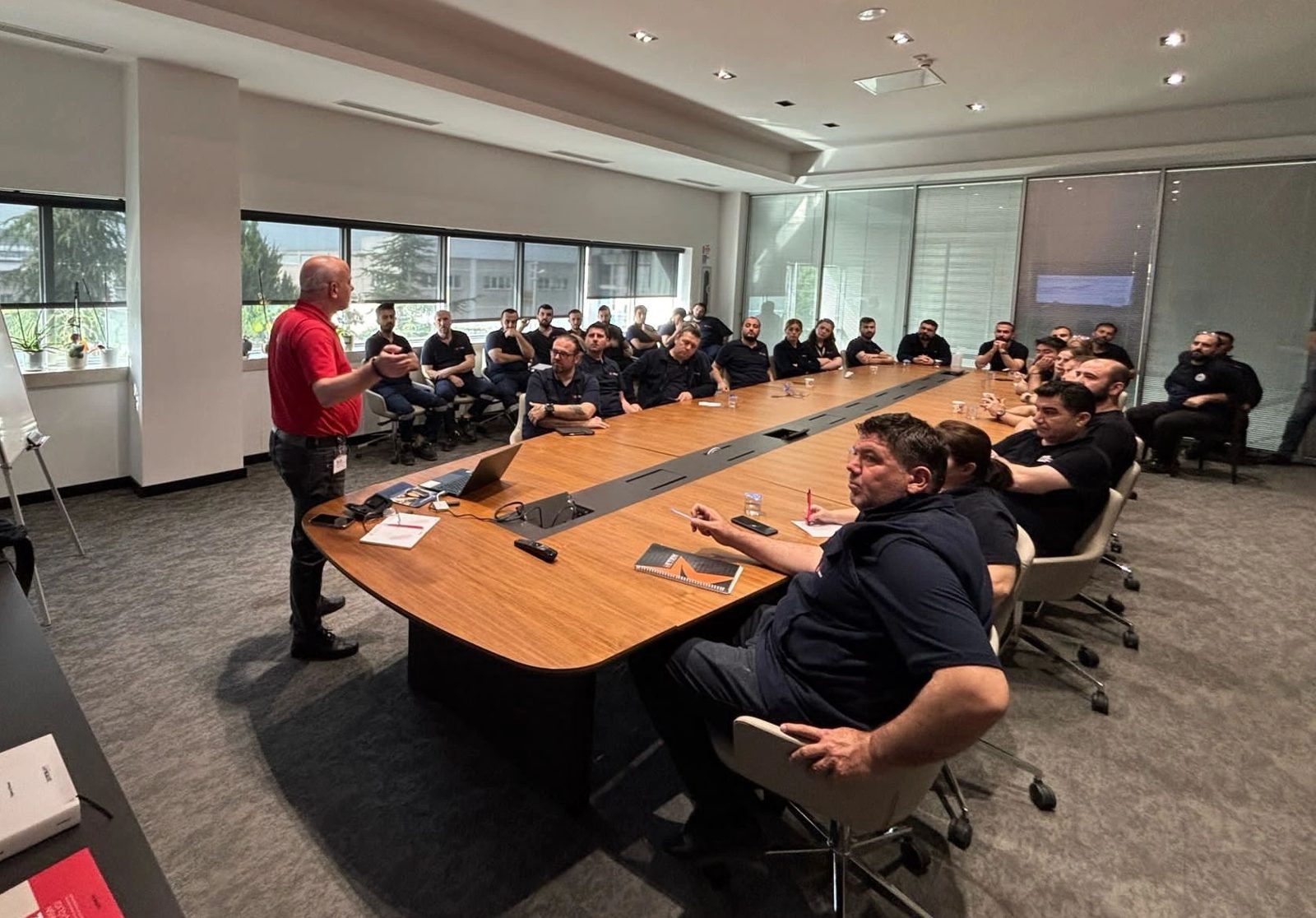
Management consulting is a professional service field that aims to develop sustainable solutions by analyzing companies’ strategic, operational and organizational problems. In today’s competitive business world, merely running daily operations is not enough; it is also necessary to plan the future, adapt to change and manage continuous development. This is where management consulting brings companies an outside perspective and expertise.
Management consulting is not support sought only when a problem appears. It is a strategic companion for companies with growth goals, those wanting to improve their processes or those moving toward institutionalization. Properly structured consulting work provides a long-term competitive advantage beyond short-term gains.
What Does Management Consulting Do?
The answer to the question of what management consulting does is shaped according to the company’s needs. Basically, consultants analyze the current state, identify problems and areas for development and develop actionable solution proposals for these areas. But the value of consulting is not limited to making recommendations.
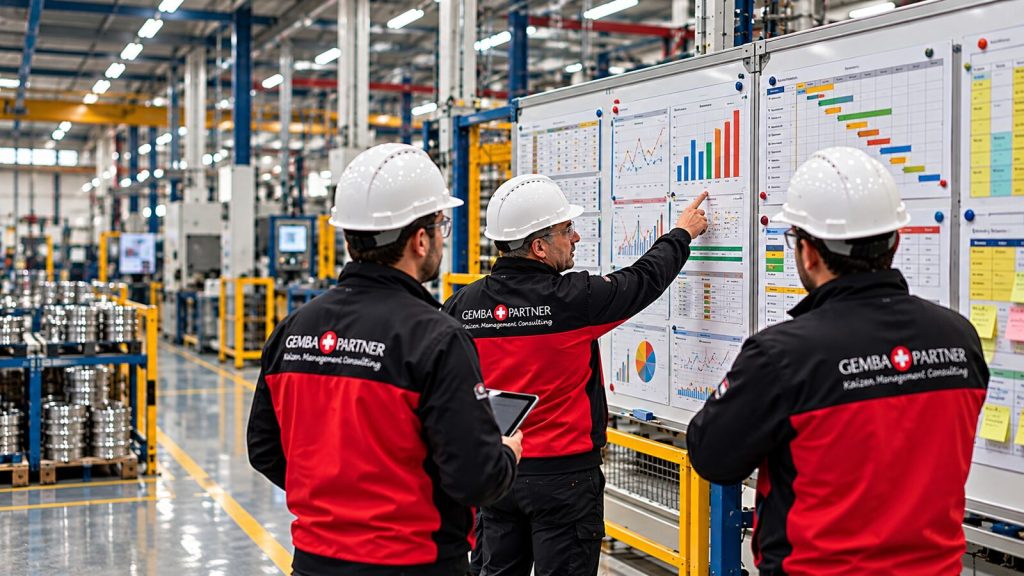
An effective management consultant works together with the company. They go to the shop floor, observe processes on site and offer decision-makers data-based insights. This approach ensures that realistic and actionable steps are put into practice instead of theoretical solutions.
Management consulting also plays an important role in change management. It provides the guidance needed for new strategies, processes or organizational structures to be adopted.
What Areas Does Management Consulting Cover?
Management consulting has a very wide scope. Strategy, operations, organization, finance, human resources and process management are at the forefront of these areas. Because every company’s needs are different, the scope of consulting is shaped accordingly.
Corporate consulting services generally offer a holistic approach. That is, they address not just a single problem but structural issues affecting the whole company. This way the improvements made support each other and become lasting.
Although it is confused with business consulting, management consulting focuses on higher-level and strategic issues. Rather than operational details, it produces solutions on how to manage these details.
What Is Strategic Management Consulting?
Strategic management consulting is a consulting field focused on determining a company’s long-term direction. Vision, mission, goals and competitive strategies are addressed in this scope. The aim is to clarify how the company will move from where it is to where it wants to be.
In this type of consulting, market analysis, competitive assessment and internal capability analysis have an important place. It ensures that strategic decisions are based on data, not intuition. This way, firmer steps can be taken in an environment of uncertainty.
Strategic management consulting offers critical support especially during periods of growth, restructuring or entering new markets.
Operational Management Consulting
Operational management consulting aims to make a company’s day-to-day activities more efficient and effective. Simplifying processes, using resources correctly and increasing performance are the core topics of this field.
Process consulting has an important place in this type of consulting. Existing processes are analyzed and bottlenecks and waste points are identified. Then lean and efficient process designs are made.
Operational consulting is often preferred by companies because it can deliver quick wins. However, a systematic approach is essential for these gains to be lasting.
Organizational and Corporate Management Consulting
Organizational consulting addresses the structural and cultural dimension of the company. The organization chart, roles and responsibilities, and authority and decision-making mechanisms are evaluated in this scope.
Corporate consulting, on the other hand, covers the management systems that support the company’s sustainability. Institutionalization is an inevitable need for growing companies. If this process is not managed correctly, chaos and inefficiency arise.
Organizational consulting work aims to transform not only the structure but also behaviors and ways of working.
How Does the Management Consulting Process Proceed?
The management consulting process usually consists of analysis, design, implementation and follow-up stages. In the first stage, the company’s current state is objectively evaluated. This evaluation is supported by shop floor observations and data analyses.
In the second stage, the solution is designed. The steps that need to be taken to reach the set goals are clarified. In this stage close cooperation is established with company management.
The implementation stage is the most critical part of the consulting process. Because even the best strategy produces no results if not implemented correctly. Finally, the impact of the work done is measured and necessary improvements are made.
Benefits of Getting Management Consulting for Companies
The biggest benefit of getting management consulting is that it gives the company an outside eye. Problems not noticed from the inside are revealed more clearly through an impartial perspective.
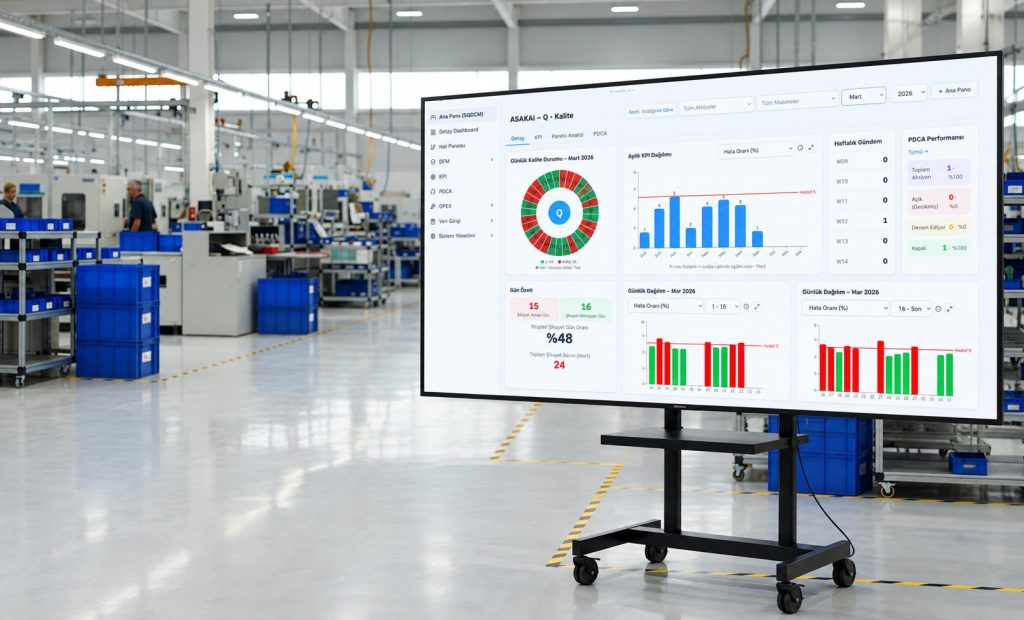
Consulting also speeds up and clarifies decision-making processes. Data-based analyses reduce uncertainty. This enables managers to make bolder and more consistent decisions.
In the long term, management consulting increases the company’s learning capacity. The systems set up and the perspectives gained continue to produce value even after the consulting process ends.
Who Is Management Consulting Suitable For?
Management consulting is not only for large-scale companies. SMEs, family businesses and fast-growing startups can also gain significant benefits from this service.
Management consulting offers strong support especially for companies experiencing growing pains, whose processes depend on individuals or that feel a need for institutionalization.
Consulting is also a guide that minimizes risks for companies going through periods of change and transformation.
The Difference Between Management Consulting and Business Consulting
Management consulting and business consulting are two concepts that are often confused. Business consulting generally focuses on more operational and functional topics. Management consulting, on the other hand, offers solutions at the strategic and managerial level.
A management consultant is concerned with “how the company should manage” as much as “what the company should do.” In this respect it offers a higher-level perspective.
Both types of consulting can complement each other. But if the need is not correctly determined, the expected benefit cannot be obtained.
What Should You Pay Attention to When Choosing Management Consulting?
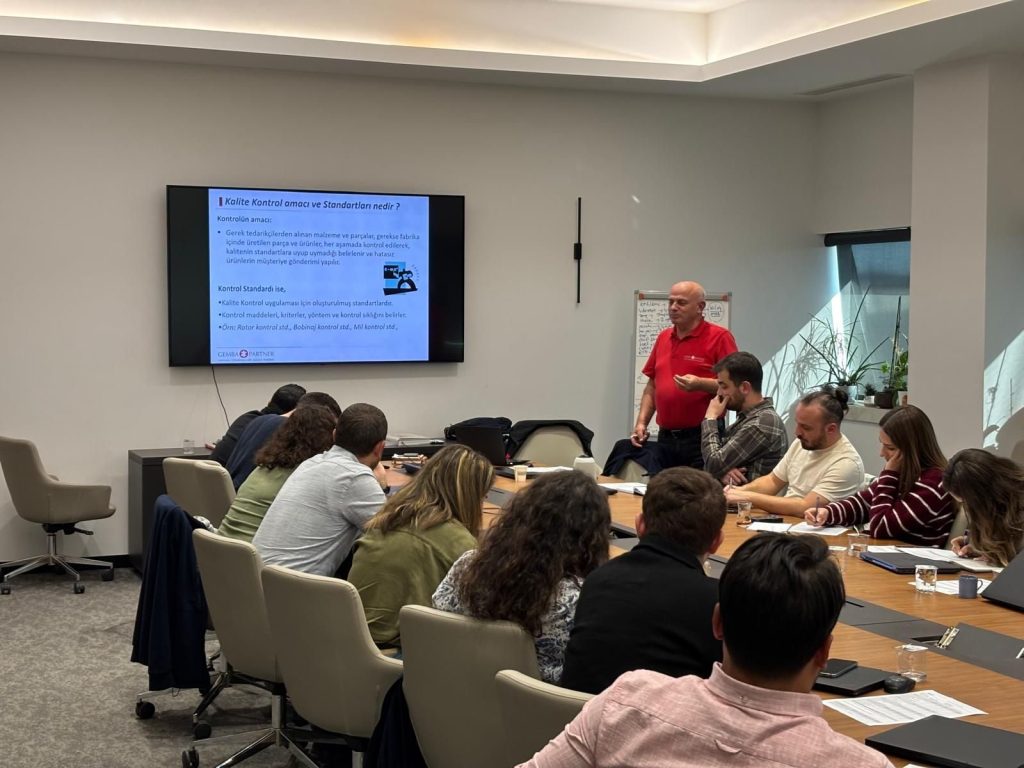
When choosing management consulting, the consultant’s experience and approach are of great importance. Having only theoretical knowledge is not enough; they must be able to offer solutions that can be applied on the shop floor.
References, methodology and how the consulting process will proceed should be evaluated clearly. Also, the consultant’s ability to adapt to the company’s culture is a critical factor.
Consulting is not a short-term service; it is a collaboration based on trust. Therefore choosing the right partner is the key to success.
Management Consulting Success Criteria and Measurement
The success of management consulting should be evaluated with concrete and measurable criteria. Performance indicators, financial results and process improvements form the basis of this measurement.
Qualitative indicators such as employee satisfaction and organizational maturity should also be taken into account. Because real transformation shows itself not only in numbers but also in behaviors.
Success gains meaning if it can be sustained after the consulting process is completed.
The Future of Management Consulting and New Approaches
Management consulting is undergoing transformation along with digitalization and changing business models. Data analytics, agile management and lean approaches are taking a bigger place in consulting projects.
In the future, consulting will evolve toward a more participatory and coaching-oriented structure. Companies will become structures that are not only waiting for solutions but are part of the solution.
This new approach is moving management consulting from a service to a strategic partnership.