The Manager’s Waiting Muda
A manager's late decision = lost opportunity cost. Waiting Muda: according to TPS, it is operators on the production floor creating non-value-adding time and being unable to use production time effectively, that is, going into waiting during the process. So what is Waiting Muda for managers? In today's market conditions
A manager’s late decision = lost opportunity cost.
Waiting Muda: according to TPS, it is operators on the production floor creating non-value-adding time and being unable to use production time effectively, that is, going into waiting during the process. So what is Waiting Muda for managers?
In today’s market conditions, since the customer now determines the product price, the profit principle has given way to the cost principle. As costs are reduced, operational profitability is increased. By now none of us is unaware of this.
However, a manager who cannot take action against problems and cannot decide what to do cannot prevent existing losses and has to watch costs grow. The manager is aware of the problems and waits for someone to step up and take action somehow. This waiting is, for the manager, “Waiting
Muda.” Every period of time spent waiting is waste for the company and, along with it, lost opportunity cost.
SME managers whose companies are about to grow in particular experience this kind of problem a great deal. Problems are solved together with people. But it is essential that people first define the existing problem, that is, notice the abnormal situation. To be able to define the problem, competent human resources must be developed. This happens through well-planned, effective training management. Because they cannot ensure that the training given transfers to the job, many managers see the investment made in training as wasted investment.
While time flows by quickly and companies watch their waste, we must not forget that competitors are developing quickly at the same time. Managers who want to develop and grow steadily must get rid of Waiting Muda without losing any time and move to urgent action. The steps to take are as follows.
- First of all, the first priority is to accept that problems are everywhere while organizational capabilities are limited.
- Not being afraid of problems, but on the contrary seeing problems as an opportunity to gain experience, and believing in this thinking
- Being on the floor constantly in line with the Genchi Genbutsu principle. Seeing the fire on the floor when the smoke starts to rise, not the ashes in monthly reports
- Instead of waiting for a hero to report and solve problems, building an organizational culture that can see and point out problems before anyone else
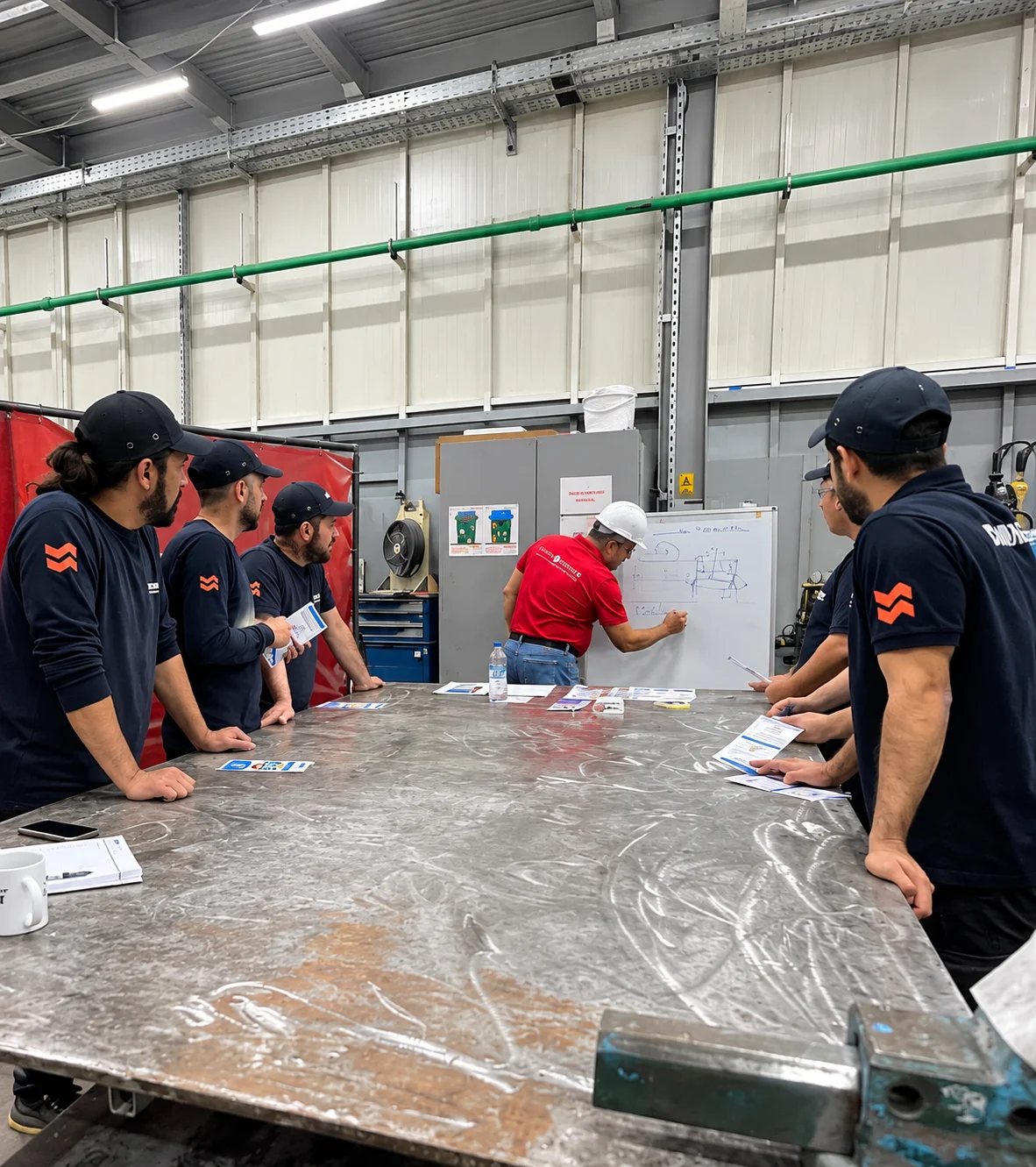
- Starting actions with the thinking that tomorrow is too late for actions, move right now. Developing people who can solve problems; for this, organizing theoretical and practical training and strengthening the in-house training culture
- Accepting kaizen as a continuing need and putting it at the base of daily activities. Accepting kaizen as a training tool and managing kaizen with targets.
- Instead of watching problems with a reactive approach, getting ahead of them proactively and then moving on to predictive approaches that can detect their potential.
Every manager who finds their current state insufficient and aims to develop themselves can get rid of Waiting Muda quickly. For managers exposed to such situations, now is “Kaizen Time.”