TPS from Yamazaki #1: TPS Is a Management Philosophy
TPS perspective from Yamazaki #1: the Toyota Production System is not a production method but a lean management philosophy; JIT and respect for people.
The Toyota Production System (TPS) is often explained through production techniques, inventory reduction methods or lean manufacturing tools. This article is the first part of the “TPS Perspective” series compiled from the TPS seminar notes of Gemba Partner Japan Managing Director Tetsuya Yamazaki. In the first article of the series, we discuss why TPS is not a production method but a management philosophy, the real purpose of JIT and the principle of respect for people.
The Toyota Production System Is Not a Production Method but a Management Philosophy
In Yamazaki’s view of TPS, the starting point of the system is not tools but management’s determination to transform. TPS is not just an improvement model to be applied on the production floor; it is a lean management understanding that covers the entire organization. Therefore the first condition of a successful TPS transformation is that top management truly believes in the change and leads this transformation. Yamazaki’s approach summarizes this clearly:
TPS = Top management’s intention to carry out serious reform.
A company can apply 5S, use kanban, run kaizen activities or benefit from various lean manufacturing tools on production lines. But if the management system does not change, none of these alone creates a Toyota Production System in the true sense.
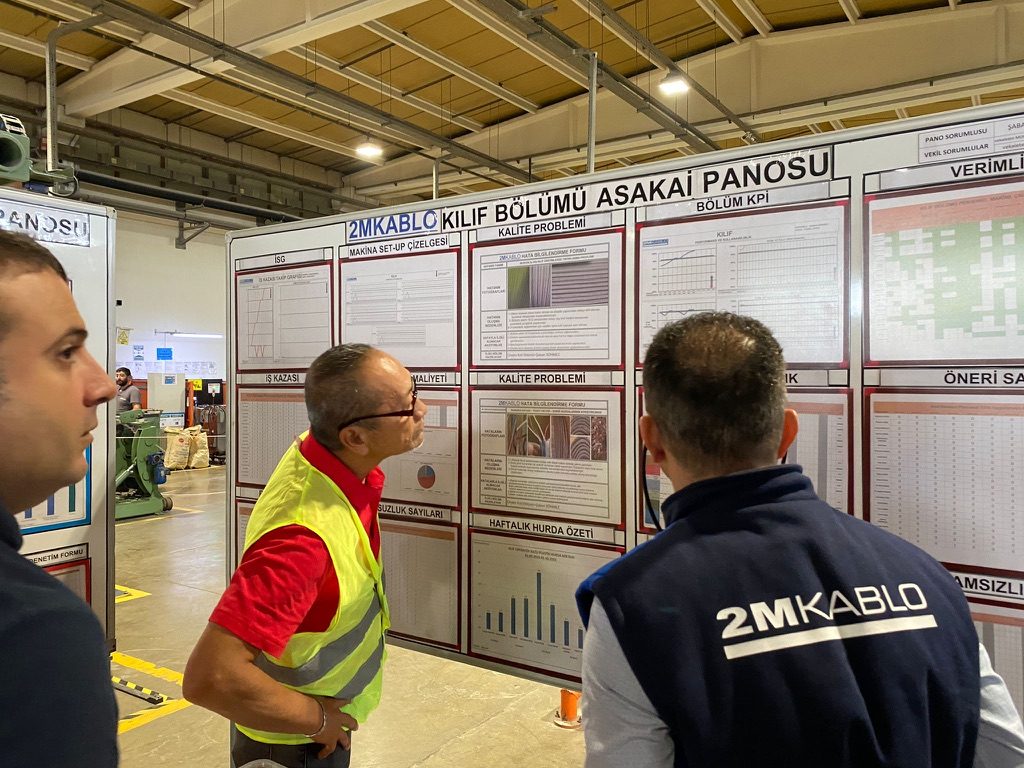
The Real Purpose of JIT Is Not Reducing Inventory but Making Problems Visible
The Just in Time (JIT) approach, one of the main pillars of TPS, is also often treated as an inventory reduction method. However, for Yamazaki, the reduction of inventory is not the main goal but a natural result of the system. The main goal is to make problems visible.
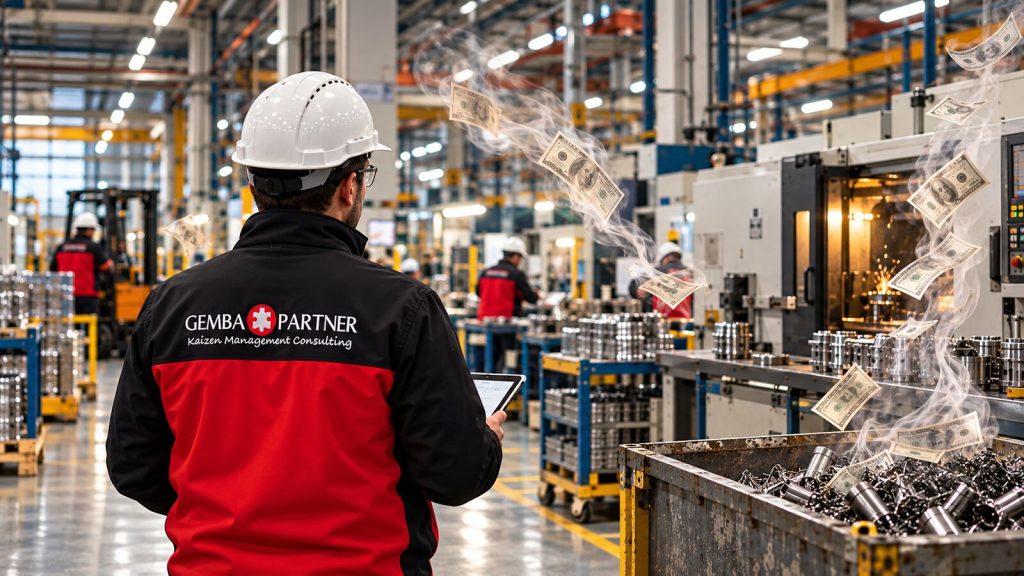
High inventory levels can hide many problems in production. When machine breakdowns, quality problems, unbalanced production, long set-up times or low process reliability are compensated by inventory, the organization does not have to see the real cause of the problem. For example, if a machine breaks down constantly but production can continue thanks to high intermediate stock, the breakdown may not become a real problem for the organization. When inventory is reduced, the problem becomes visible.
This is exactly where TPS comes in: instead of hiding the problem, it makes it visible and forces the organization to solve it. For the technical side of JIT, see our article what is Just in Time production .
Respect for People: Not Less Tiring Work, but Developing a Person’s Ability
Respect for people is one of the important principles of the Toyota Production System. But respect for people does not only mean listening to employees’ ideas or providing better working conditions. The real aim is to create a production system in which people can develop their abilities.
For this, managers must be able to distinguish muda (waste) from real work. Not every movement is work; not every work creates value for the customer. Although an operator walking unnecessarily, searching for material, waiting, reworking a part or constantly making corrections looks like work, a significant part of it is actually loss.
The task of lean manufacturing is not to make people work faster; it is to eliminate unnecessary work and direct people’s abilities to value-creating activities. This idea is at the foundation of TPS’s understanding of productivity.
Conclusion
TPS is not a toolbox but a transformation led by management. For support on your lean manufacturing and lean management journey, see our lean manufacturing consulting service or get in touch with us. For the continuation of the series: TPS Perspective from Yamazaki #2 – Strong Shop Floor Management: Genchi Genbutsu, PDCA and Kaizen.